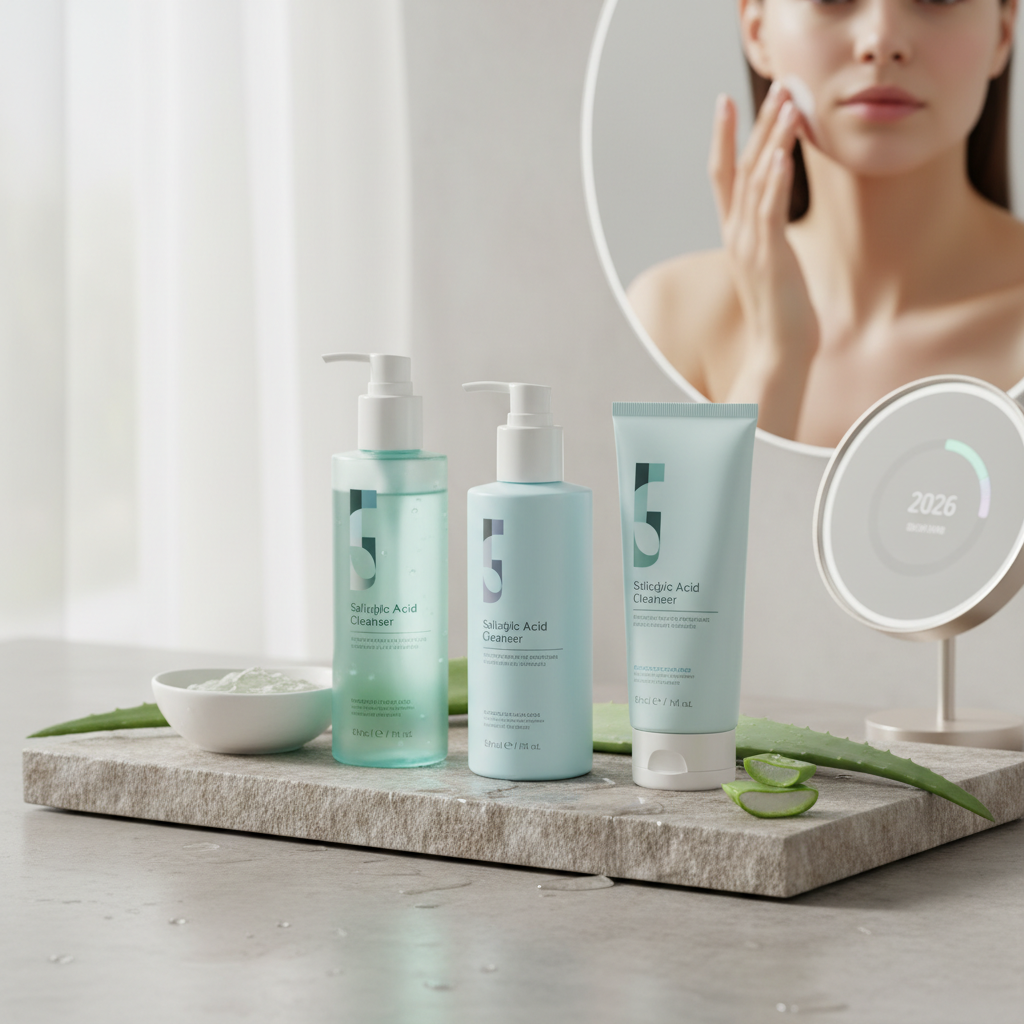
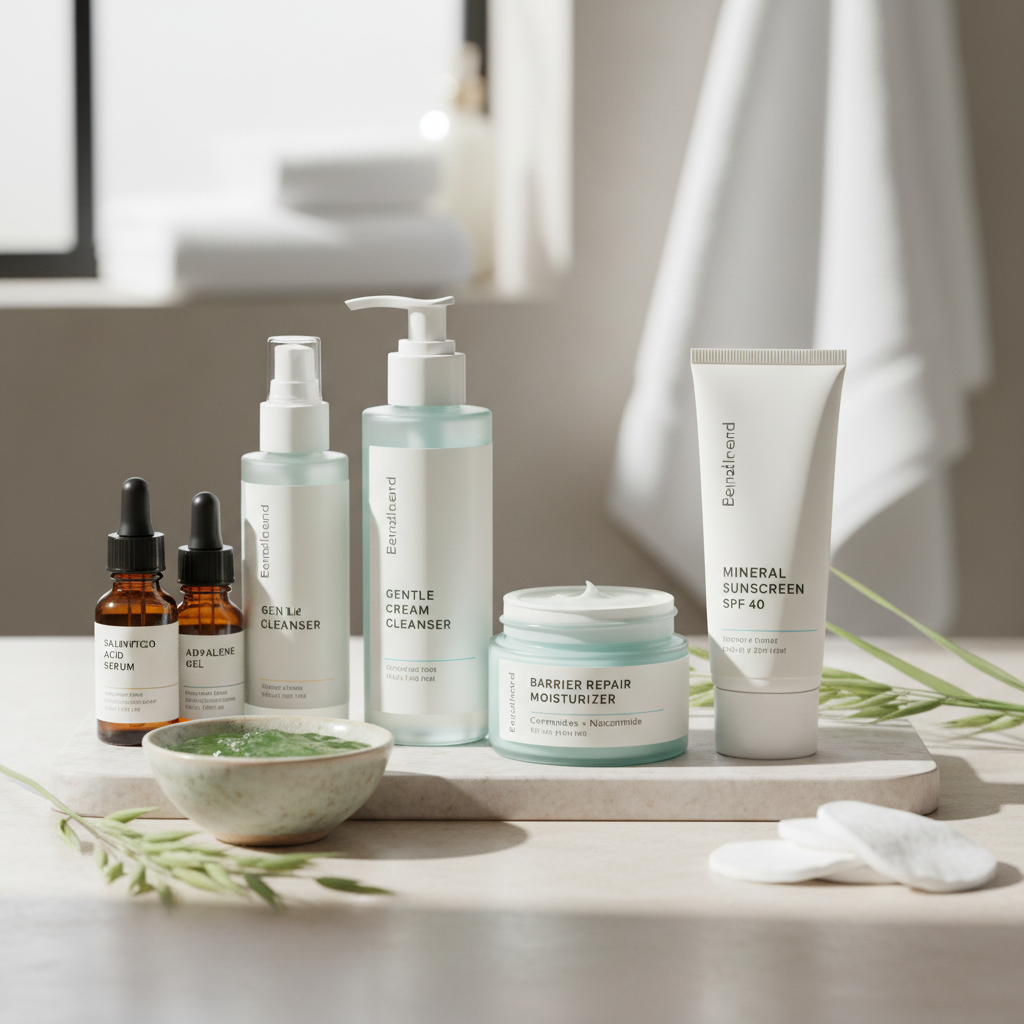
Creating an acne-safe skincare routine for sensitive skin requires a gentle, consistent, and barrier-focused approach, prioritizing soothing ingredients and carefully introducing targeted actives. The core strategy involves using mild cleansers, non-comedogenic moisturizers rich in ceramides and niacinamide, mineral SPF, and slowly incorporating proven acne treatments like salicylic acid or adapalene, always listening to your skin’s unique needs.
Introduction
Navigating the world of skincare can feel like a minefield when you have both acne-prone and sensitive skin. The very ingredients designed to clear breakouts often trigger redness, stinging, and irritation, leaving you in a frustrating cycle. But here in 2026, with a deeper understanding of skin biology and advanced formulations, it’s entirely possible to achieve clarity and comfort simultaneously. This guide will walk you through building a routine that respects your skin’s delicate balance while effectively addressing acne.
What Does “Sensitive, Acne-Prone Skin” Actually Mean?
Understanding your skin type is the first step towards effective care. “Sensitive skin” typically reacts easily to environmental factors, ingredients, or even stress, manifesting as redness, itching, burning, dryness, or a tight feeling. This heightened reactivity often stems from a compromised skin barrier.
“Acne-prone skin,” on the other hand, is characterized by a tendency to develop various types of blemishes: blackheads, whiteheads, papules (small red bumps), pustules (pus-filled bumps), and sometimes deeper, more painful cysts. This is often due to a combination of excess sebum production, clogged pores, bacterial overgrowth (specifically C. acnes), and inflammation.
When these two conditions coexist, it creates a unique challenge. Aggressive acne treatments can strip the skin, further weakening the barrier and intensifying sensitivity, potentially leading to more breakouts. The key is to find ingredients and practices that soothe inflammation, strengthen the barrier, and gently tackle acne without causing further distress.
Why is “Skin Barrier First” the Golden Rule for Sensitive, Acne-Prone Skin?
The skin barrier, often referred to as the stratum corneum, is your skin’s outermost layer. Think of it as a brick-and-mortar wall: the “bricks” are skin cells (corneocytes), and the “mortar” is a lipid matrix composed of ceramides, cholesterol, and fatty acids. This barrier is crucial for two main functions: keeping beneficial moisture in and harmful irritants, allergens, and bacteria out.
For sensitive, acne-prone skin, a compromised barrier is often at the root of many issues. When the barrier is weakened, moisture escapes more easily, leading to dehydration and increased oil production (a common trigger for acne). Simultaneously, irritants and bacteria can penetrate more readily, leading to inflammation, redness, and a heightened susceptibility to breakouts. This renewed focus on skin barrier health is a significant trend in 2026 skincare, moving beyond simply treating symptoms to addressing the foundational health of your skin.
A healthy skin barrier is your first line of defense against both environmental stressors and acne triggers. Prioritizing its repair and maintenance is non-negotiable for sensitive, acne-prone skin.
Which Cleanser is Best for Sensitive, Acne-Prone Skin?
Cleansing is fundamental, but for sensitive, acne-prone skin, it’s also where many go wrong. Harsh cleansers strip natural oils, disrupt the skin barrier, and can exacerbate both sensitivity and breakouts. The goal is to cleanse thoroughly without compromising your skin’s integrity.
- Look for “Gentle” and “pH-Balanced”: A cleanser with a pH between 5 and 5.5 mimics your skin’s natural acidity, helping to maintain barrier function.
- Sulfate-Free Formulas: Sulfates (like Sodium Lauryl Sulfate) can be overly stripping and irritating. Opt for alternatives that create a mild lather or are non-foaming.
- Avoid Harsh Physical Exfoliants: Steer clear of scrubs with abrasive particles, which can micro-tear sensitive skin and spread bacteria.
- Ingredients to Love: Look for hydrating ingredients like glycerin, hyaluronic acid, or ceramides to prevent dryness.
- Cleansing Method: Use lukewarm water (never hot) and your fingertips. Gently massage for 30-60 seconds, then rinse thoroughly. Pat dry with a clean, soft towel.
For evening routines, especially if you wear makeup or heavy mineral SPF, a gentle double cleanse can be beneficial. Start with an oil-based cleanser or balm to dissolve makeup and sunscreen, followed by your water-based gentle cleanser to purify the skin without stripping it.
How Do I Choose a Moisturizer That Won’t Break Me Out or Irritate My Skin?
Moisturizing is crucial, even for oily, acne-prone skin. Dehydrated skin can produce more oil to compensate, leading to further breakouts. The challenge is finding a moisturizer that hydrates effectively without clogging pores or causing irritation.
- Non-Comedogenic: This is paramount. Look for products explicitly labeled “non-comedogenic,” meaning they are formulated not to block pores.
- Fragrance-Free: Fragrances, both synthetic and natural, are common irritants for sensitive skin. Opt for fragrance-free formulas.
- Key Hydrating Ingredients:
- Hyaluronic Acid: A powerful humectant that draws moisture from the air into the skin without feeling heavy.
- Glycerin: Another excellent humectant that supports skin hydration.
- Ceramides: Essential lipids that help repair and strengthen the skin barrier, crucial for sensitive skin.
- Niacinamide (Vitamin B3): A multi-tasking powerhouse that reduces inflammation, minimizes redness, improves barrier function, and can help regulate oil production. It’s often well-tolerated by sensitive skin.
- Texture Matters: If your skin is on the oilier side, a lightweight gel or lotion might be preferred. For drier sensitive skin, a creamier texture with more occlusive ingredients (like dimethicone or squalane) could be more beneficial, as long as it’s non-comedogenic.
Which Actives Can I Safely Use for Acne on Sensitive Skin?
This is where precision is key. While many acne treatments exist, for sensitive skin, it’s about selecting the right actives and introducing them slowly and strategically.
Salicylic Acid (BHA)
How it works: A beta-hydroxy acid (BHA) that is oil-soluble, meaning it can penetrate into the pore lining to dissolve sebum and dead skin cells, preventing and treating blackheads and whiteheads. It also has mild anti-inflammatory properties.
For sensitive skin: Start with lower concentrations (0.5% to 1%) in a cleanser or leave-on treatment. Use every other day or a few times a week initially.
Benzoyl Peroxide
How it works: Kills the C. acnes bacteria that contribute to inflammatory acne. It also helps to shed dead skin cells.
For sensitive skin: Can be very drying and irritating. If used, opt for the lowest concentration (2.5%) and use it as a short-contact therapy (apply for a few minutes then rinse off) or a targeted spot treatment, not all over the face. Apply sparingly.
Retinoids (Retinol, Retinal, Adapalene)
How it works: Derivatives of Vitamin A that normalize cell turnover, preventing pores from clogging. They also reduce inflammation and can improve skin texture and tone over time.
For sensitive skin: This group requires the most careful introduction.
- Adapalene (Differin Gel): An FDA-approved, over-the-counter retinoid specifically for acne. It’s often better tolerated than tretinoin for sensitive skin.
- Retinal (Retinaldehyde): A newer form of retinoid (a 2026 trend!) that is a direct precursor to retinoic acid, making it more potent than retinol but often less irritating than prescription tretinoin.
- Retinol: The most common OTC retinoid. It’s effective but gentler and slower-acting than retinal or adapalene.
Introduction Strategy: “Start low, go slow.” Begin with a pea-sized amount 1-2 times a week, gradually increasing frequency. Use the “sandwich method”: apply moisturizer, then retinoid, then another layer of moisturizer to buffer. Only use at night.
Niacinamide (Vitamin B3)
How it works: A true multitasker. It reduces inflammation and redness, helps regulate sebum production, improves skin barrier function, and can minimize the appearance of pores.
For sensitive skin: Generally very well-tolerated and can be used daily, morning and night. It’s an excellent addition to any sensitive, acne-prone routine.
Azelaic Acid
How it works: A naturally occurring acid with anti-inflammatory, antibacterial, and mild exfoliating properties. It’s effective against various forms of acne and can also help reduce post-inflammatory hyperpigmentation (PIH) and redness (often used for rosacea-prone skin).
For sensitive skin: Often very well-tolerated, even by sensitive skin types, and can be used once or twice daily. Available OTC in lower concentrations (e.g., 10%) and by prescription for higher strengths.
How Do I Incorporate Sun Protection into My Sensitive, Acne-Safe Routine?
Sunscreen is non-negotiable, especially when using actives that increase sun sensitivity (like retinoids and AHAs). For sensitive, acne-prone skin, the type of sunscreen makes a significant difference.
- Mineral Sunscreens are Your Best Bet: Look for sunscreens containing zinc oxide and/or titanium dioxide. These “physical” blockers sit on top of the skin and reflect UV rays, making them generally less irritating and less likely to clog pores compared to chemical sunscreens.
- Broad-Spectrum SPF 30+: Ensure your sunscreen protects against both UVA (aging rays) and UVB (burning rays) with an SPF of at least 30.
- Non-Comedogenic and Fragrance-Free: These labels are just as important for sunscreen as they are for moisturizers.
- Application and Reapplication: Apply a generous amount as the last step in your morning routine, at least 15 minutes before sun exposure. Reapply every two hours, or more frequently if swimming or sweating heavily. The science around diligent reapplication and adequate coverage continues to be emphasized in 2026 for optimal protection.
Building Your Sensitive, Acne-Safe Skincare Routine: A Step-by-Step Guide
Consistency is key. Here’s a sample routine, but always adjust based on your skin’s individual response.
Morning Routine
- Gentle Cleanser: Wash your face with lukewarm water and a pH-balanced, sulfate-free cleanser.
- Treatment Serum (Optional): If desired, apply a few drops of a niacinamide serum or a gentle, stable Vitamin C derivative (like ascorbyl tetraisopalmitate) for antioxidant benefits and brightening.
- Moisturizer: Apply a non-comedogenic, fragrance-free moisturizer with barrier-supporting ingredients.
- Mineral SPF: Finish with a broad-spectrum, non-comedogenic mineral sunscreen (SPF 30+).
Evening Routine
- Gentle Cleanser: Cleanse thoroughly. If wearing makeup or heavy SPF, consider a gentle oil-based pre-cleanse, followed by your regular gentle cleanser.
- Targeted Active (Alternating Nights):
- Night 1: Apply a salicylic acid treatment (0.5-1%) or an azelaic acid serum (10%).
- Night 2: Apply your chosen retinoid (adapalene, retinal, or retinol). Remember the “sandwich method” for retinoids.
- Night 3: Give your skin a break from actives and focus solely on barrier repair.
- Rotate these, or use actives only 2-3 times a week initially, focusing on barrier repair on off-nights.
- Barrier-Supporting Serum (Optional): On nights you’re not using an active, or if your skin feels dry, a serum with hyaluronic acid, ceramides, or peptides can be beneficial.
- Moisturizer: Apply your non-comedogenic, barrier-supportive moisturizer.
Comparing Acne-Safe Actives for Sensitive Skin
| Active Ingredient | Primary Benefit for Acne | Suitability for Sensitive Skin | Key Considerations |
|---|---|---|---|
| Salicylic Acid (BHA) | Exfoliates inside pores, reduces blackheads/whiteheads, anti-inflammatory. | Good; start low concentration (0.5-1%), use a few times a week. | Can be drying; use in cleansers or leave-on treatments. |
| Niacinamide (Vitamin B3) | Reduces inflammation/redness, regulates oil, strengthens barrier. | Excellent; generally very well-tolerated, can be used daily. | Not a direct exfoliant, best used alongside other actives. |
| Retinal / Adapalene | Normalizes cell turnover, prevents clogs, reduces inflammation. | Moderate to Good; requires slow introduction (“sandwich method”). | Increases sun sensitivity; only use at night; expect initial purging/dryness. Adapalene is FDA-approved OTC for acne. |
| Azelaic Acid | Antibacterial, anti-inflammatory, mild exfoliant, reduces redness & PIH. | Good to Excellent; often well-tolerated, even for rosacea-prone skin. | Can cause mild tingling initially; available OTC (10%) or prescription. |
The Role of Dermal-Grade At-Home Tools in 2026
The market for at-home skincare devices has exploded, with many dermal-grade tools becoming more accessible. For sensitive, acne-prone skin, caution is paramount.
LED Light Therapy Masks: Red light LED therapy can be beneficial for reducing inflammation and promoting healing, making it a good option for calming active breakouts and reducing redness without irritation. Blue light can target acne-causing bacteria, but ensure it’s used safely and sparingly, as excessive blue light can potentially be irritating for some sensitive skin types.
Microcurrent Devices: Primarily for muscle toning and lymphatic drainage, these are generally safe for sensitive skin and won’t directly treat acne but can improve overall skin health and circulation, which indirectly supports a clearer complexion.
What to Avoid: Steer clear of aggressive exfoliating tools like at-home microdermabrasion or harsh sonic brushes, which can easily irritate sensitive skin and worsen breakouts by spreading bacteria or compromising the barrier.
Always consult with a dermatologist before incorporating any new device, especially if you have active acne or very sensitive skin.
Drugstore vs. Prestige: What’s Worth the Investment for Sensitive, Acne-Prone Skin?
The good news is that effective skincare doesn’t have to break the bank. Many drugstore brands offer excellent, dermatologist-recommended products that are fragrance-free, non-comedogenic, and contain proven active ingredients.
Drugstore Strengths: You can find fantastic cleansers, moisturizers with ceramides and hyaluronic acid, niacinamide serums, salicylic acid treatments, and even adapalene gel (like Differin) at very accessible price points. These products often focus on core efficacy without unnecessary frills.
Prestige Offerings: High-end brands may offer more elegant textures, sophisticated delivery systems, or unique blends of botanicals and peptides. While these can be lovely to use, for the primary goal of managing sensitive, acne-prone skin, the core active ingredients (like retinoids, AHAs, BHAs, niacinamide, azelaic acid) are often the same or very similar in formulation effectiveness to their drugstore counterparts. The dermatologist consensus remains: focus on the ingredients and formulation, not just the price tag.
Ultimately, a mixed approach often works best. Invest in a well-formulated retinoid or a specific serum if a prestige option truly stands out for its texture or specific ingredient blend, but don’t hesitate to rely on affordable drugstore staples for your cleanser, moisturizer, and mineral SPF.
Frequently Asked Questions
Can I use Vitamin C with acne-prone sensitive skin?
Yes, but choose wisely. Vitamin C is a powerful antioxidant that can brighten skin and reduce inflammation. For sensitive skin, opt for stable derivatives like ascorbyl tetraisopalmitate or magnesium ascorbyl phosphate, which are less irritating than L-ascorbic acid. Introduce it slowly, perhaps every other morning, and always follow with SPF.
How long until I see results from an acne-safe routine?
Patience is crucial. It typically takes 4-6 weeks to see initial improvements, and full results can take 3-4 months. Skin cell turnover takes time, and healing inflammation isn’t instant. Stick with your routine consistently, and avoid introducing too many new products at once.
When should I see a dermatologist for my sensitive, acne-prone skin?
If your acne is persistent, severe (cystic or nodular), causing significant pain or scarring, or if your current routine isn’t yielding results after several months, it’s time to consult a dermatologist. They can offer prescription-strength treatments, evaluate underlying causes, and provide personalized guidance.