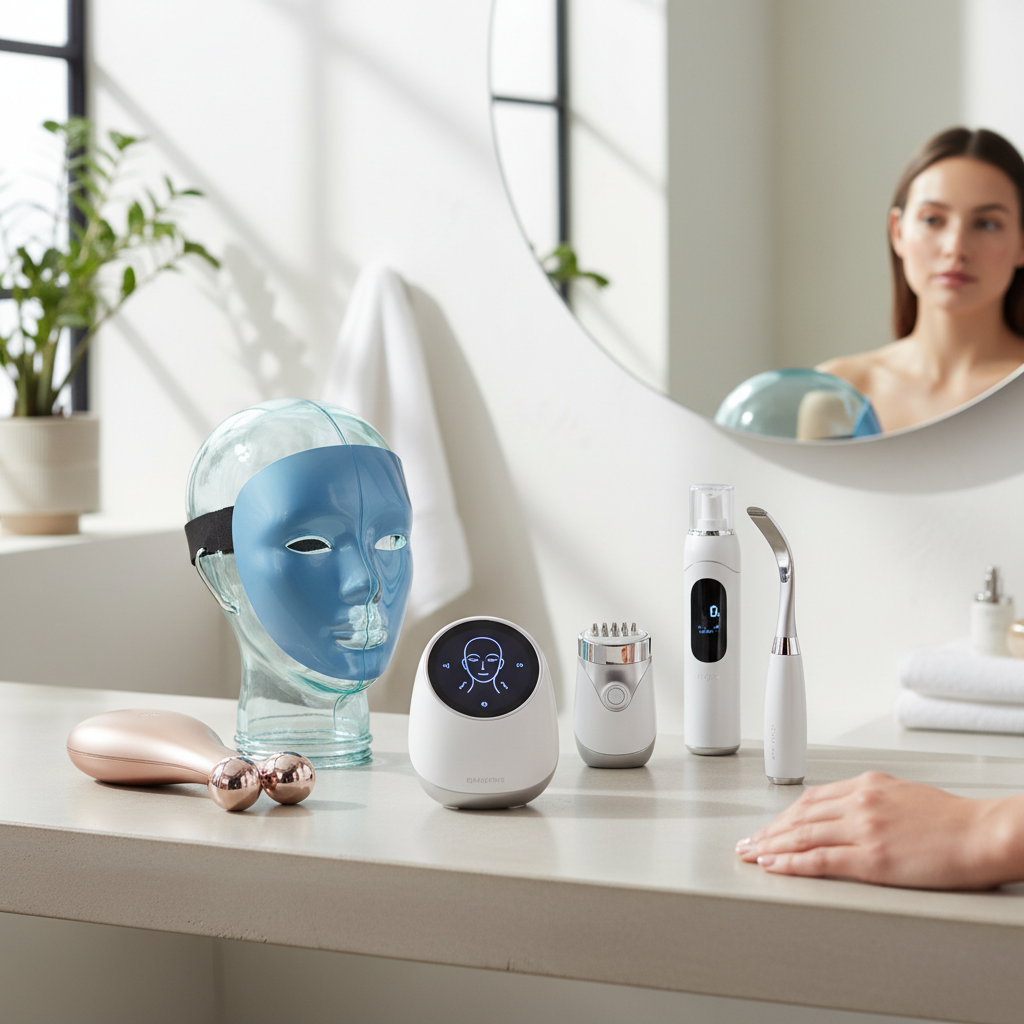
In 2026, innovative at-home skincare tools are revolutionizing personal routines, offering unprecedented personalization and professional-grade results from the comfort of home. These devices, ranging from AI-powered analyzers to advanced microcurrent and LED therapies, empower users to precisely target concerns like aging, acne, and uneven tone. By integrating these smart tools, women can achieve transformative skin health, making advanced skincare more accessible and effective than ever before.
Introduction
The landscape of skincare is continually evolving, and 2026 marks a significant leap forward in accessible, high-performance solutions. Gone are the days when advanced dermal treatments were exclusively found in clinics. Today, a new generation of innovative skincare tools is bringing sophisticated technology directly into your home, promising to elevate your routine and deliver visible results. This article explores seven groundbreaking devices poised to transform how you care for your skin, blending expert science with user-friendly design.
What are the must-have skincare tools for 2026?
AI-Powered Skin Analyzers & Custom Dispensers
Imagine a device that understands your skin’s unique needs in real-time and formulates a bespoke serum just for you. In 2026, AI-powered skin analyzers do precisely this. These smart tools use advanced sensors and artificial intelligence to assess hydration levels, oil production, pore size, and even subtle pigmentation, then dispense a fresh, custom-blended serum or moisturizer. This hyper-personalization ensures your skin receives exactly what it needs, adapting to environmental changes or your skin’s daily fluctuations. It minimizes guesswork and product waste, delivering optimal efficacy.
Next-Gen Microcurrent Devices
Microcurrent technology has been a staple for facial toning, but 2026 brings devices with enhanced precision, ergonomic designs, and sophisticated app integration. These tools deliver low-level electrical currents that mimic the body’s natural currents, stimulating facial muscles for a lifted, more contoured appearance. Beyond mere toning, next-gen devices often include features that improve lymphatic drainage and boost circulation, contributing to a healthier, more radiant complexion. They’re excellent for maintaining firmness and reducing the appearance of fine lines over time, especially when paired with conductive gels rich in hyaluronic acid or peptides.
Multi-Spectrum LED Light Therapy Masks
LED light therapy masks have evolved beyond single-spectrum red light. The latest iterations offer multiple wavelengths, each targeting specific concerns. Red light stimulates collagen production and reduces inflammation, blue light targets acne-causing bacteria, green light helps with pigmentation, and amber light calms redness. These multi-spectrum masks allow for comprehensive at-home treatments, addressing diverse issues from anti-aging to acne and overall skin health. Consistent use can improve skin texture, tone, and clarity, enhancing the absorption of topical antioxidants like Vitamin C or anti-inflammatory ingredients such as niacinamide.
Enhanced Ultrasonic Cleansing & Infusion Tools
Beyond basic skin spatulas, 2026’s ultrasonic tools offer refined performance for both deep cleansing and product infusion. Utilizing high-frequency vibrations, these devices gently yet effectively dislodge impurities, blackheads, and dead skin cells from pores, providing a superior exfoliation experience without harsh scrubbing. In ‘infusion mode,’ the vibrations help topical serums and moisturizers penetrate more deeply into the skin, maximizing their efficacy. This two-in-one approach ensures your skin is clean, prepped, and primed to absorb beneficial ingredients like hyaluronic acid, peptides, or ceramides.
At-Home Radiofrequency (RF) Devices
Radiofrequency technology, once exclusive to dermatologists’ offices, is now safely and effectively miniaturized for home use. These devices emit controlled heat energy into the deeper layers of the skin, stimulating the production of new collagen and elastin fibers. The result is a gradual but noticeable improvement in skin firmness, elasticity, and a reduction in the appearance of fine lines and wrinkles. Modern at-home RF tools often feature built-in temperature sensors and safety mechanisms, making them user-friendly and reliable for consistent skin tightening and rejuvenation. They pair exceptionally well with firming serums containing peptides or growth factors.
Precise At-Home Microneedling Systems
At-home microneedling has matured significantly, moving from simple rollers to sophisticated pens with sterile, adjustable needles. These devices create microscopic channels in the skin, which not only stimulate the body’s natural wound healing process (boosting collagen and elastin) but also dramatically enhance the penetration of topical products. The 2026 versions emphasize safety, hygiene, and precision, allowing users to target concerns like fine lines, acne scars, and uneven texture more effectively. Post-treatment, applying soothing ingredients like hyaluronic acid, ceramides, or gentle peptides can optimize results and support skin barrier recovery.
Targeted Cryo-Therapy Tools
Cryo-therapy, or cold therapy, is gaining traction for its immediate soothing and de-puffing benefits. Targeted cryo-therapy tools for 2026 are designed to deliver sustained, controlled cold temperatures to specific areas of the face. These handheld devices help constrict blood vessels, reduce inflammation, minimize puffiness (especially around the eyes), and tighten the appearance of pores. They are perfect for calming irritated skin after active treatments, reducing morning puffiness, or simply providing a refreshing boost. They work synergistically with calming serums containing niacinamide or antioxidants for an enhanced soothing effect.
How do these tools integrate with my existing skincare routine?
Integrating advanced tools into your routine requires a thoughtful approach. Generally, cleansing should always be the first step to prepare your skin. Tools like ultrasonic spatulas for cleansing or AI analyzers can be used early in your routine. Devices that stimulate or create micro-channels (microneedling, RF, microcurrent, LED) typically follow cleansing and precede your serums, moisturizers, and always, mineral SPF during the day. Consider the intensity: daily tools like microcurrent or cryo-therapy are gentle, while microneedling or RF devices might be used 1-3 times a week, allowing your skin ample recovery time. Always prioritize supporting your skin barrier, especially when introducing new technologies. Listen to your skin and avoid over-stressing it with too many active treatments simultaneously.
Which actives work best with advanced skincare tools?
The right active ingredients can significantly amplify the benefits of your skincare tools. Here’s how some key actives interact:
- Hyaluronic Acid: An incredible humectant, it deeply hydrates and plumps the skin. It’s ideal for use as a conductive gel with microcurrent devices, or applied after microneedling and ultrasonic infusion for enhanced hydration.
- Niacinamide: A versatile form of Vitamin B3, niacinamide calms inflammation, reduces redness, minimizes pore appearance, and strengthens the skin barrier. It’s excellent for soothing skin after LED therapy or as a calming agent with cryo-therapy.
- Peptides: These short chains of amino acids signal the skin to produce more collagen and elastin, leading to firmer, smoother skin. They are perfect partners for microcurrent, RF, and microneedling devices, supporting the skin’s rejuvenation processes.
- Vitamin C: A powerful antioxidant, Vitamin C brightens skin, reduces hyperpigmentation, and protects against environmental damage. Use it after cleansing and before LED therapy for enhanced benefits, but be cautious immediately after microneedling as it can be irritating.
- Ceramides: Essential lipids that help form the skin’s barrier, ceramides are crucial for maintaining hydration and protecting against irritants. Apply ceramide-rich products after any tool that might compromise the barrier, like microneedling, to aid recovery.
- Retinol/Retinal: Gold standard for anti-aging, these Vitamin A derivatives accelerate cell turnover and boost collagen. While incredibly effective, they should generally be applied on separate evenings from intense tool usage (e.g., microneedling, RF) to prevent irritation.
- AHAs (Alpha Hydroxy Acids) / Salicylic Acid (BHA): These chemical exfoliants help remove dead skin cells and clear pores. Use them on alternate days from tools that exfoliate or create micro-channels, to avoid over-exfoliation and irritation.
Are at-home dermal tools safe and effective compared to professional treatments?
The efficacy and safety of at-home dermal tools have dramatically improved, making them a viable option for maintenance and enhancement between professional treatments. Many reputable devices undergo rigorous testing and achieve FDA clearance for safety and specific indications, offering a level of assurance that wasn’t available years ago. However, it’s crucial to manage expectations: at-home tools are designed to provide consistent, gradual improvements and maintain results, not to replace the intensity or immediate impact of professional clinic procedures performed by licensed practitioners. They are complementary, offering cumulative benefits over time.
| Tool Category | At-Home Device Example | Professional Treatment Analog | Key Benefit | Considerations for Home Use |
|---|---|---|---|---|
| Microneedling | Precise DermaPen (e.g., “SkinRenew Pro”) | Dermatologist Microneedling (e.g., “Morpheus8”) | Collagen induction, improved texture, scar reduction | Shorter needle depth, hygiene critical, less downtime |
| Radiofrequency (RF) | Compact RF Device (e.g., “SculptTight Home”) | Clinical RF (e.g., “Thermage FLX”) | Skin tightening, wrinkle reduction | Lower energy output, requires consistency, gradual results |
| LED Light Therapy | Multi-Spectrum LED Mask (e.g., “LumiGlow Mask”) | In-office LED Panel (e.g., “Omnilux”) | Anti-aging, acne treatment, inflammation reduction | Less intense, requires longer/more frequent sessions |
| Microcurrent | Ergonomic Microcurrent Tool (e.g., “NuFace Trinity+”) | Esthetician Microcurrent Facial | Facial toning, lifting, contouring | Daily consistency for best results, proper conductive gel use |
What should I consider when choosing a new skincare tool?
Choosing the right skincare tool involves several factors beyond just the latest trend. First, identify your primary skin concerns: are you targeting aging, acne, pigmentation, or laxity? Next, consider your skin type. Sensitive skin might benefit from soothing LED or cryo-therapy, while mature skin could thrive with RF or microcurrent. Your budget is also a factor; while an initial investment, many tools offer long-term savings compared to professional treatments. Finally, assess your commitment level. Consistency is key for results, so choose a device you’re willing to integrate regularly into your routine. Always research device reputation, read reviews, and check for FDA clearance where applicable.
Frequently Asked Questions
Can I use multiple tools in one routine?
While generally possible, caution is advised. Avoid combining tools that cause significant skin stress, such as microneedling and intense RF, on the same day. Gentle tools like cryo-therapy or LED can often be integrated with others, but always listen to your skin and introduce new tools one at a time to monitor its reaction.
How often should I use these tools?
Usage frequency varies greatly by tool. Microcurrent and cryo-therapy devices