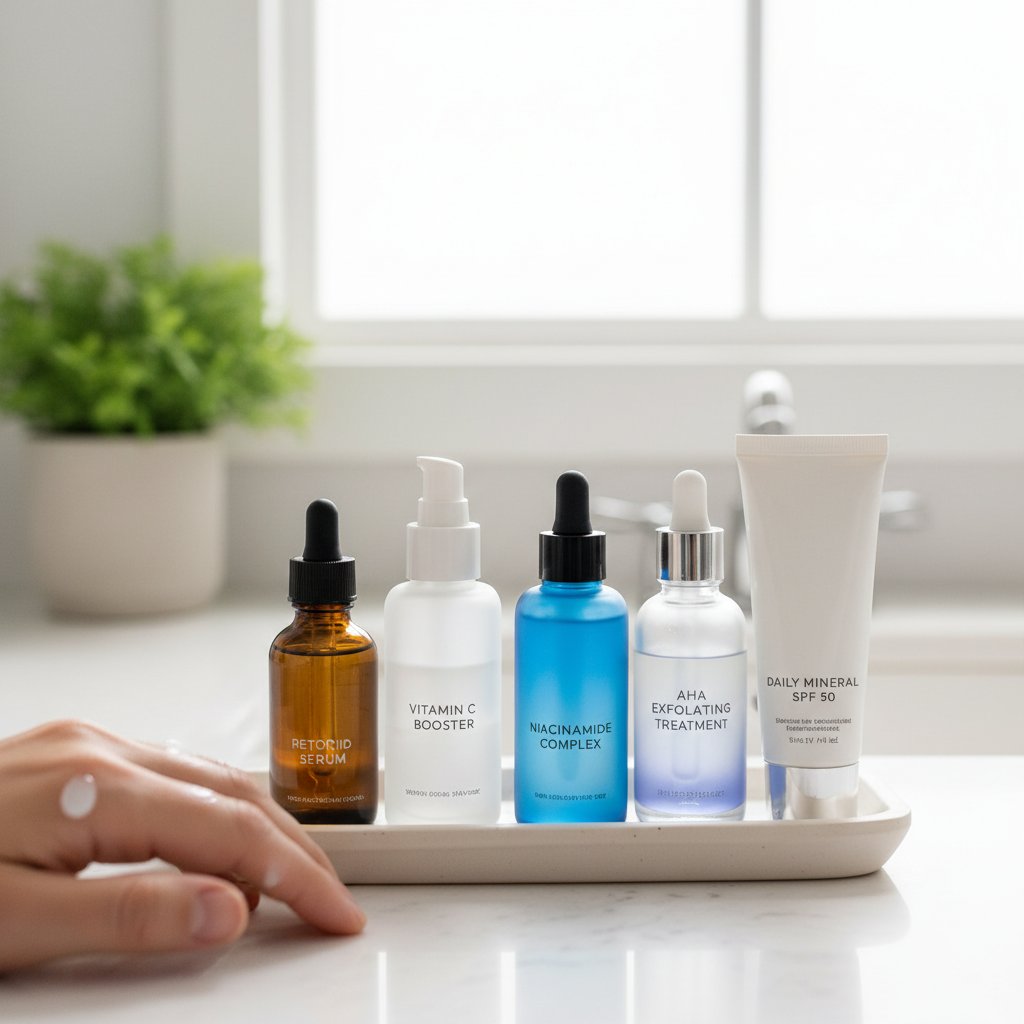
Dealing with post-acne marks requires a strategic approach, primarily through consistent use of targeted serums. The most effective formulations combine ingredients like retinoids (retinol, retinaldehyde), vitamin C, niacinamide, and alpha hydroxy acids (AHAs) to accelerate cell turnover, brighten discoloration, and support skin health. Pairing these with daily broad-spectrum mineral SPF is crucial for both fading existing marks and preventing new ones.
Introduction
The satisfaction of clearing an acne breakout can quickly be overshadowed by the lingering presence of post-acne marks. These stubborn spots, ranging from red patches to dark discoloration, can feel like a constant reminder of past blemishes, undermining confidence and making a clear complexion seem perpetually out of reach. But the good news for women in the US seeking solutions in 2026 is that significant advancements in skincare science offer highly effective serums designed to visibly fade these marks and restore an even skin tone.
What Exactly Are Post-Acne Marks, and Why Do They Linger?
Before diving into solutions, it’s crucial to understand what kind of “mark” you’re dealing with, as their nature dictates the most effective treatment. Post-acne marks are generally categorized into two main types, distinct from true acne scars:
Post-Inflammatory Erythema (PIE)
These are the red or purplish marks often seen after inflamed breakouts. PIE results from damage to capillaries and residual inflammation in the skin. They are more common in lighter skin tones and tend to fade over time, but can be persistent.
Post-Inflammatory Hyperpigmentation (PIH)
These are the dark spots, ranging from light brown to black, that appear after a pimple has healed. PIH occurs when the skin produces excess melanin in response to inflammation. It’s more prevalent in medium to darker skin tones and can take months, or even years, to fully disappear without intervention.
It’s important to differentiate these from true acne scars, which involve changes in skin texture (e.g., ice pick, boxcar, rolling scars). While serums can improve the appearance of some textural irregularities, they are primarily effective for PIE and PIH, which are pigmentary or vascular concerns, not deep tissue damage.
Which Key Ingredients Should You Look for in a Post-Acne Serum?
The power of an effective post-acne serum lies in its carefully selected active ingredients. These compounds work synergistically to target discoloration, accelerate skin renewal, and strengthen the skin’s natural defenses.
Retinoids (Retinol, Retinaldehyde, Tretinoin)
Retinoids are derivatives of vitamin A, renowned for their ability to speed up cell turnover, pushing new, unpigmented cells to the surface faster. They also stimulate collagen production, which can subtly improve skin texture. In 2026, many brands are highlighting retinaldehyde (retinal) as a gentler yet potent option, converting to retinoic acid in just one step, making it more effective than retinol but less irritating than prescription tretinoin.
Vitamin C (L-Ascorbic Acid and Derivatives)
A powerful antioxidant, vitamin C brightens the skin by inhibiting melanin production, thus fading dark spots. It also protects against environmental damage and is crucial for collagen synthesis, contributing to overall skin health and resilience.
Niacinamide (Vitamin B3)
This versatile ingredient is a powerhouse for post-acne marks. Niacinamide helps reduce inflammation, minimize redness (beneficial for PIE), and prevent the transfer of pigment to skin cells, effectively fading PIH. It also strengthens the skin barrier, making it suitable for sensitive skin.
Alpha Hydroxy Acids (AHAs: Glycolic, Lactic, Mandelic)
AHAs are chemical exfoliants that work on the skin’s surface, dissolving the bonds between dead skin cells. This encourages cell turnover, revealing fresher, more evenly toned skin underneath. Glycolic acid is the most potent, while lactic and mandelic acids are gentler options, ideal for sensitive skin or those new to chemical exfoliation.
Salicylic Acid (BHA)
As a beta hydroxy acid, salicylic acid is oil-soluble, allowing it to penetrate deeper into pores. While primarily known for treating active acne, its exfoliating properties also help to shed pigmented cells and smooth skin texture, making it useful in preventing and treating mild post-acne marks, especially for oily skin types.
Tranexamic Acid
Gaining significant traction in recent years, tranexamic acid is a newer star for hyperpigmentation. It works by interfering with the interaction between skin cells and pigment-producing cells, effectively reducing the appearance of PIH and even melasma. It’s particularly well-tolerated and can be used alongside other actives.
Azelaic Acid
This dicarboxylic acid has anti-inflammatory, anti-bacterial, and brightening properties. Azelaic acid helps to reduce redness, kill acne-causing bacteria, and inhibit melanin production, making it excellent for both active breakouts and fading PIH, particularly for sensitive or rosacea-prone skin.
Hyaluronic Acid & Ceramides
While not direct mark faders, these ingredients are crucial for supporting skin health, especially when using potent actives. Hyaluronic acid deeply hydrates the skin, while ceramides are lipids that fortify the skin barrier. A healthy, hydrated barrier is less prone to irritation, allowing other active ingredients to work more effectively without causing dryness or sensitivity.
How Do Drugstore and Prestige Serums Compare for Fading Marks?
The beauty of the 2026 skincare landscape is that effective solutions are available across various price points. The primary difference between drugstore and prestige serums often boils down to formulation elegance, delivery systems, and the concentration of certain ingredients, rather than the fundamental efficacy of the active itself.
Drugstore brands have made significant strides, offering serums with FDA-approved actives like salicylic acid and high-quality retinoids, vitamin C, and niacinamide at accessible prices. These are often excellent starting points and can deliver impressive results with consistent use. Their formulations might be simpler, focusing on the core active.
Prestige brands often invest more in sophisticated delivery systems (e.g., encapsulated retinoids for stability and reduced irritation, stable vitamin C derivatives), patented complexes, and a more luxurious user experience (texture, scent, packaging). While these enhancements can improve stability, penetration, and compliance, they don’t always equate to dramatically superior results compared to a well-formulated, active-rich drugstore option. Dermatologist consensus often emphasizes the active ingredient and consistent use over brand name.
Building Your Ideal Post-Acne Mark Fading Routine: A Step-by-Step Guide
Consistency is paramount when tackling post-acne marks. A well-structured routine, tailored to your skin type and concerns, will yield the best results.
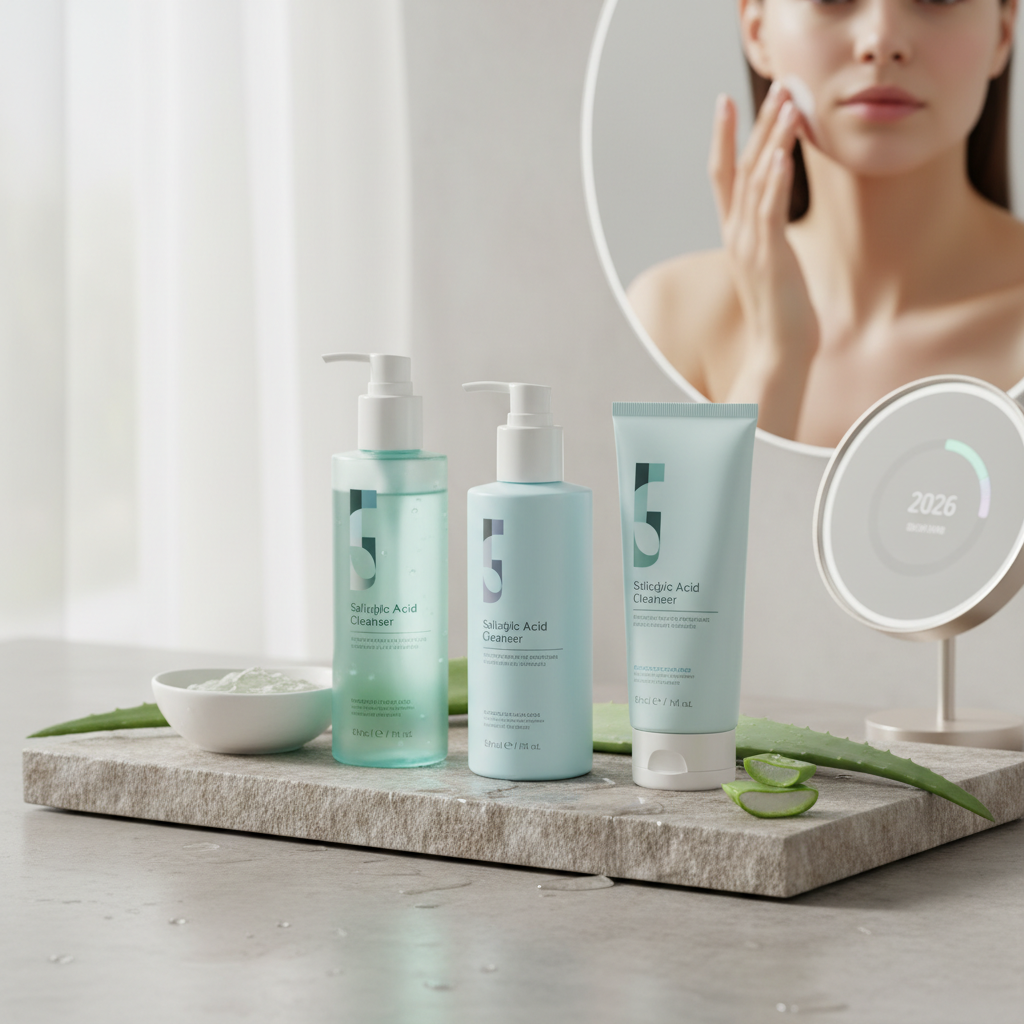
- Cleanse: Start with a gentle, hydrating cleanser to remove impurities without stripping the skin. For oily or acne-prone skin, a salicylic acid cleanser a few times a week can be beneficial.
- Target (Serum Application): This is where your chosen post-acne serum comes in. Apply it to clean, dry skin. If using multiple serums, apply from thinnest to thickest consistency. For potent actives like retinoids or AHAs, start slowly (2-3 times a week) and gradually increase frequency as your skin tolerates it. Consider “skin cycling” where you alternate exfoliation, retinoid, and recovery nights to minimize irritation, a popular and dermatologist-endorsed approach in 2026.
- Moisturize: Follow with a ceramide-rich or hydrating moisturizer. This step is crucial for supporting your skin barrier, especially when using active ingredients that can cause dryness or sensitivity. A healthy skin barrier is more resilient and better able to heal.
- Protect (AM Only): Every morning, without fail, apply a broad-spectrum mineral SPF 30 or higher. Sun exposure significantly worsens PIE and PIH, making marks darker and last longer. Mineral sunscreens (zinc oxide, titanium dioxide) are often preferred for sensitive or acne-prone skin. Remember to reapply every two hours, especially if outdoors or sweating, a practice increasingly emphasized by dermatologists based on recent reapplication science.
Are There Specific Serums Dermatologists Recommend for Different Skin Types?
Tailoring your serum choice to your specific skin type ensures maximum efficacy with minimal irritation.
| Skin Type | Recommended Active Ingredients | Example Serum Profile (Hypothetical) | Primary Benefit |
|---|---|---|---|
| Oily/Acne-Prone | Salicylic Acid, Niacinamide, Retinoids (Retinal), Azelaic Acid, Vitamin C | The Clarifying Retinal Serum Key Ingredients: Retinaldehyde (0.05%), Niacinamide (5%), Salicylic Acid (0.5%) |
Reduces active breakouts, accelerates cell turnover, minimizes post-inflammatory hyperpigmentation. |
| Dry/Sensitive | Niacinamide, Azelaic Acid, Gentler AHAs (Lactic, Mandelic), Low-Concentration Retinol/Retinal, Hyaluronic Acid, Ceramides | The Calming Renewal Complex Key Ingredients: Azelaic Acid (10%), Niacinamide (3%), Ceramides, Hyaluronic Acid |
Soothes inflammation, reduces redness and PIH, strengthens skin barrier, provides hydration. |
| Combination | Niacinamide, Vitamin C, Retinol, Glycolic Acid (targeted or alternating) | The Balanced Brightening Serum Key Ingredients: L-Ascorbic Acid (15%), Niacinamide (5%), Hyaluronic Acid |
Evens skin tone, provides antioxidant protection, targets both oily and drier areas without over-drying. |
| Mature/Aging | Retinoids (Retinal, Tretinoin), Vitamin C, Peptides, AHAs (Glycolic, Lactic) | The Age-Defying Spot Corrector Key Ingredients: Retinaldehyde (0.1%), Vitamin C (10%), Peptides, Hyaluronic Acid |
Boosts collagen, reduces fine lines, fades sun spots and post-acne marks, improves overall radiance. |
What About At-Home Tools? Do They Enhance Serum Efficacy?
The 2026 skincare market sees an explosion of at-home dermal-grade tools, and many women wonder if they can boost serum performance. While tools like LED masks (red light for inflammation, blue light for bacteria) can be complementary, and microcurrent devices can improve circulation, it’s crucial to approach them with caution. Microneedling at home, for instance, carries risks of infection and scarring if not done correctly. For PIE and PIH, a consistent serum routine is the primary driver of results. Consult a dermatologist before incorporating advanced tools, especially if you have active acne or sensitive skin, as some tools can exacerbate irritation.
The Non-Negotiable: Why Sun Protection is Paramount
No matter how effective your serums are, their benefits will be undermined without diligent sun protection. UV radiation significantly darkens post-inflammatory hyperpigmentation and can even trigger new marks. For PIE, sun exposure can prolong redness and lead to further skin damage.
“Think of sunscreen as the ultimate guardian for your progress. Without it, you’re taking one step forward with your serums and two steps back with every ray of sun.”
Opt for a broad-spectrum mineral SPF (zinc oxide and/or titanium dioxide) of at least 30 every single day, rain or shine. Mineral sunscreens are generally well-tolerated by acne-prone and sensitive skin types. Reapply every two hours when exposed to direct sunlight, especially after sweating or swimming. This consistent protective habit is the single most important factor in preventing new marks and allowing existing ones to fade.
Frequently Asked Questions
How long does it take to see results from post-acne mark fading serums?
Patience is key. While some individuals might notice subtle improvements in brightness and texture within 4-6 weeks, significant fading of PIE and PIH typically takes 2-3 months of consistent daily use. Deeper or older marks may require 6 months or more. Remember, skin cell turnover takes time, and results are cumulative.
Can I use multiple active serums at once to speed up the process?
Using multiple potent actives simultaneously can increase the risk of irritation, redness, and compromise your skin barrier. It’s generally recommended to introduce one new active at a time. If you wish to use several, consider skin cycling (alternating nights for retinoids, exfoliants, and recovery) or using one active in the morning (e.g., Vitamin C) and another in the evening (e.g., Retinoid or AHA).
What’s the difference between a post-acne mark and a true acne scar?
Post-acne marks (PIE and PIH) are discolorations or redness on the skin’s surface, which do not involve textural changes. They are treatable with topical serums. True acne scars, however, involve damage to the deeper layers of the skin, resulting in textural irregularities such as pitted (atrophic) scars or raised (hypertrophic/keloid) scars. While serums might offer minor textural improvement, true scars usually require professional treatments like lasers, microneedling, or dermal fillers.
Is it okay to use these serums if I’m still breaking out?
Absolutely, in many cases, it’s beneficial. Ingredients like retinoids, salicylic acid, and azelaic acid are excellent for both treating active acne and fading marks. Niacinamide also helps reduce inflammation associated with breakouts. By treating active acne, you also prevent new post-acne marks from forming. However, if you have very sensitive skin or severe active acne, consult a dermatologist to ensure your routine is appropriate.
Should I consult a dermatologist before starting a new routine for post-acne marks?
While many over-the-counter serums are safe and effective, consulting a dermatologist is highly recommended, especially if you have persistent or severe marks, sensitive skin, or are considering prescription-strength treatments. A dermatologist can accurately diagnose your specific type of mark, recommend the most suitable ingredients and concentrations, and provide professional treatments that can accelerate results beyond what topicals alone can achieve.
Conclusion
Fading post-acne marks is a journey that demands patience, consistency, and the right strategic serum selection. By understanding the nature of your marks and incorporating potent, evidence-backed ingredients like retinoids, vitamin C, niacinamide, and AHAs into a diligent daily routine – always anchored by robust sun protection – you can significantly improve your skin’s clarity and evenness. Embrace the process, listen to your skin, and remember that a radiant, mark-free complexion is well within reach in 2026.