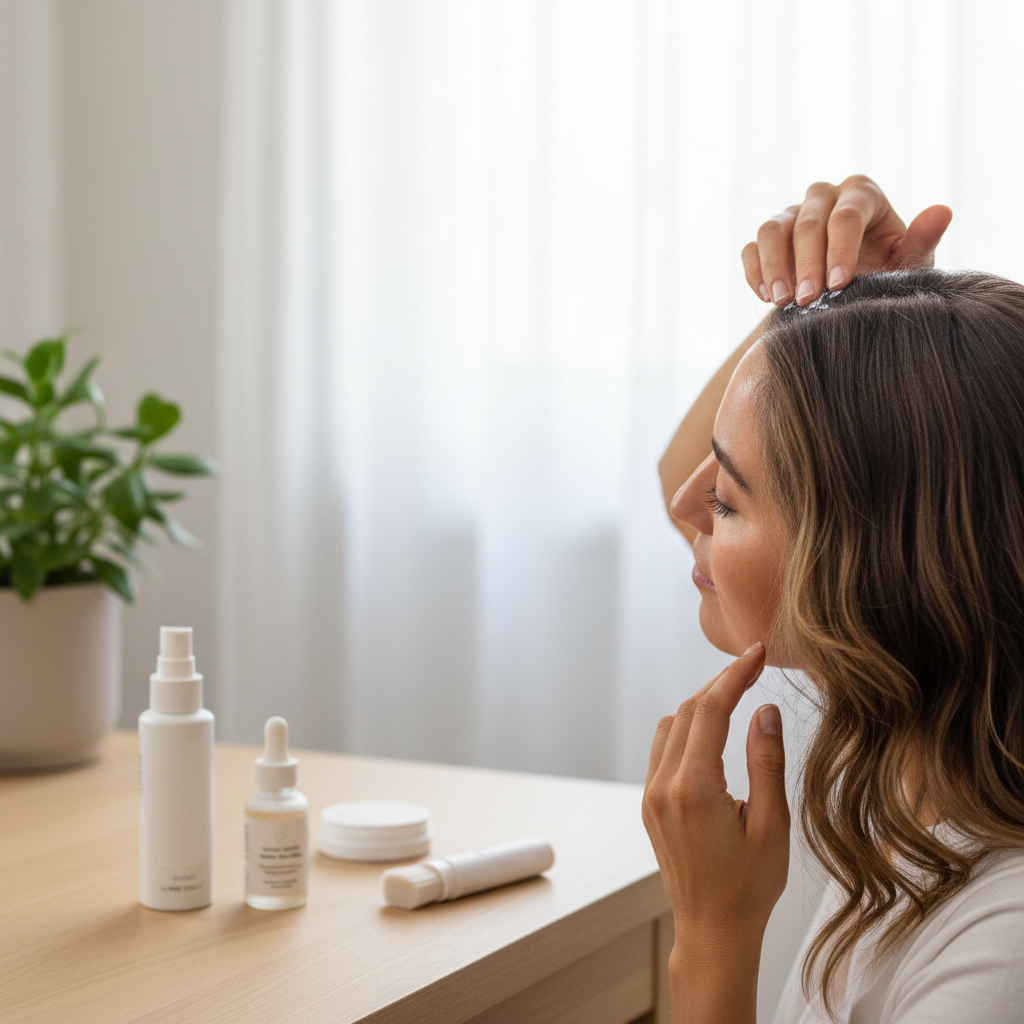
Protecting your scalp from the sun is as vital as shielding your face and body, crucial for preventing skin damage and maintaining long-term health. The most effective strategy involves consistent application of broad-spectrum, water-resistant mineral sunscreens, available in user-friendly formats like sprays, powders, and serums, specifically designed to blend seamlessly into your hairline without compromising your hair’s look or feel.
Introduction
In the evolving landscape of 2026 skincare, where every inch of skin demands attention, the scalp often remains a neglected frontier in sun protection. For women across the United States, understanding why and how to safeguard this delicate area is not just about avoiding a painful burn; it’s about comprehensive skin health, preventing premature aging, and mitigating serious risks.
Why Is Scalp Sun Protection So Important for Women’s Health?
The skin on your scalp is just as susceptible to the sun’s harmful ultraviolet (UV) rays as any other part of your body, if not more so due to its direct exposure. Many women, especially those with thinner hair, part lines, or receding hairlines, experience significant sun exposure here without realizing the long-term implications. The risks associated with unprotected scalp exposure are substantial and multifaceted. Foremost among these is an increased risk of skin cancer, including basal cell carcinoma, squamous cell carcinoma, and melanoma. Melanoma, the most dangerous form of skin cancer, can be particularly aggressive when it develops on the scalp, often due to delayed detection under hair. Beyond cancer, chronic UV exposure contributes to photoaging, manifesting as thinning skin, hyperpigmentation, and a loss of elasticity, which can impact the scalp’s overall health and even hair follicle function over time. Furthermore, acute sunburns on the scalp are incredibly uncomfortable, causing pain, flaking, and potentially leading to temporary hair shedding. In 2026, with a heightened awareness of holistic skin health, dermatologists consistently emphasize that the scalp should be an integral part of any daily sun protection regimen, not an afterthought.
What Are the Best Types of SPF for Hairlines and Scalps?
When selecting a sunscreen for your scalp and hairline, the primary choice often comes down to mineral (physical) versus chemical formulas. For the scalp, especially for those with sensitivities or concerns about chemical absorption, mineral sunscreens are frequently recommended by dermatologists. These formulas typically contain active ingredients like zinc oxide and titanium dioxide, which work by creating a physical barrier on the skin’s surface, reflecting UV rays away. They are generally well-tolerated, less likely to cause irritation, and provide broad-spectrum protection immediately upon application. Chemical sunscreens, conversely, absorb UV radiation and convert it into heat, releasing it from the skin. While effective, some individuals find certain chemical filters can be irritating or feel heavier on the scalp. Current trends in sunscreen formulation emphasize elegant, non-greasy mineral options that blend seamlessly without a stark white cast, making them highly suitable for hair-bearing areas.
Exploring Different Formats for Scalp SPF
- Sprays: These are incredibly convenient for quick application, especially over larger areas of the scalp. Look for non-aerosol, continuous sprays that deliver a fine mist to avoid excessive wetness or stickiness.
- Powders: Mineral SPF powders are a game-changer for those with oily scalps or fine hair. They absorb excess oil while delivering sun protection, and can be easily dusted along part lines and hairlines without leaving a greasy residue.
- Serums/Liquids: Lightweight, non-comedogenic serums or liquid drops can be massaged directly into the scalp, ideal for targeted application along the part or for those with very dry scalps needing a hydrating base.
- Sticks: SPF sticks offer precise application, perfect for hairlines, ears, and small, exposed areas. They are usually mess-free and portable.
The “best” type ultimately depends on your hair type, lifestyle, and personal preference, but the consensus in 2026 leans towards formulations that offer broad-spectrum protection, are water-resistant, and integrate easily into daily routines without disrupting hair texture.
How Do Mineral SPF Actives Protect My Scalp Without Greasiness?
Mineral sunscreens, leveraging the power of zinc oxide and titanium dioxide, create a physical shield on your skin, deflecting harmful UVA and UVB rays. These naturally occurring minerals are prized for their broad-spectrum protection and gentle nature, making them excellent choices for sensitive areas like the scalp. Unlike chemical filters that absorb into the skin, mineral actives sit on the surface, minimizing the potential for irritation. For the scalp, where greasiness is a major concern for many women, advancements in mineral SPF formulations have been transformative. Modern zinc oxide and titanium dioxide are often micronized or non-nano, meaning they are milled into incredibly fine particles. This process allows them to spread more evenly and transparently, significantly reducing the dreaded white cast that was once a hallmark of mineral sunscreens. Furthermore, many scalp-specific mineral sunscreens are formulated with oil-absorbing ingredients like silica or starch, or are designed with a matte finish to prevent a greasy appearance or feel. This allows for effective protection that doesn’t weigh down hair, leave a sticky residue, or make your scalp feel oily, aligning perfectly with the demand for efficacious yet aesthetically pleasing skincare solutions in 2026.
Which SPF Application Methods Work Best for Different Hair Types?
Effective scalp sun protection isn’t one-size-fits-all; the best application method often depends on your specific hair type and style. Understanding these nuances ensures maximum protection without compromising your hair’s look or feel.
Application Strategies by Hair Type:
- Fine or Thin Hair: For those with fine or thinning hair, heavy creams or oils can weigh hair down and make it appear greasy. Lightweight mineral SPF powders are an excellent choice, as they can be dusted along the part line and hairline, absorbing excess oil while providing protection. Non-aerosol, continuous spray sunscreens specifically designed for hair are also effective, offering broad coverage without heavy residue.
- Thick or Textured Hair: Women with thick or curly hair may find it challenging to get sunscreen directly to the scalp through dense strands. For these hair types, targeted application is key. SPF sticks can be drawn directly along exposed part lines, around the ears, and along the nape of the neck. Liquid or serum-based sunscreens can also be applied with a dropper directly onto the scalp and gently massaged in along various partings to ensure full coverage.
- Oily Scalp: If your scalp tends to get oily quickly, an SPF powder is your best friend. It provides sun protection while simultaneously soaking up excess sebum, offering a dual benefit. Look for formulas that are non-comedogenic to avoid clogging pores.
- Dry or Sensitive Scalp: For those prone to dryness, flakiness, or sensitivity, opt for hydrating, fragrance-free mineral SPF formulas. SPF serums or lotions designed for the scalp can offer a nourishing base while protecting. Avoid alcohol-heavy sprays that can be drying or irritating.
- Color-Treated Hair: If you color your hair, look for scalp sunscreens that are explicitly labeled as “color-safe” or “non-stripping.” UV exposure can fade hair color, so protecting your scalp also indirectly helps preserve your vibrant shade.
Regardless of hair type, the goal is to ensure the product makes direct contact with the skin of the scalp, not just the hair strands, for true sun protection.
How Often Should I Reapply Scalp Sunscreen for Maximum Protection?
Sunscreen reapplication is a critical, yet often overlooked, step in maintaining consistent protection, and this holds especially true for the scalp. The general dermatologist-recommended guideline for sunscreen reapplication is every two hours when outdoors, and this applies equally to your scalp. However, specific activities can necessitate more frequent reapplication. If you’re swimming, sweating heavily, or engaging in strenuous outdoor activities, even water-resistant sunscreens should be reapplied every 40 to 80 minutes, depending on the product’s specific water-resistance rating. The friction from hats, headbands, or even styling your hair can also inadvertently remove sunscreen, requiring a touch-up. For women who spend significant time outdoors, carrying a portable SPF powder or stick is an easy way to refresh protection throughout the day without disturbing your hairstyle too much. The science of sunscreen reapplication in 2026 emphasizes not just the frequency, but also the thoroughness, ensuring all exposed areas, particularly part lines, hairlines, and the nape of the neck, receive adequate coverage each time. Consistency is paramount to truly safeguard your scalp against cumulative UV damage.
Can Daily Skincare Actives Benefit My Scalp’s Sun Resilience?
While topical SPF remains your primary defense against sun damage, integrating certain skincare actives into your broader routine can bolster your scalp’s resilience and support its overall health. Think of these as supportive players, not replacements for sunscreen.
- Antioxidants (Vitamin C, Vitamin E, Ferulic Acid): These powerhouse ingredients, when applied topically, help neutralize free radicals generated by UV exposure and environmental aggressors. Vitamin C, for instance, not only brightens but also aids in collagen production and offers photoprotective benefits. Vitamin E is a fat-soluble antioxidant that works synergistically with Vitamin C to protect cell membranes. Ferulic acid further stabilizes and boosts the efficacy of both Vitamins C and E. While not directly blocking UV rays, they provide an extra layer of defense against oxidative stress that can damage scalp skin cells.
- Niacinamide (Vitamin B3): This versatile active is celebrated for its ability to strengthen the skin barrier, reduce inflammation, and minimize redness. For the scalp, niacinamide can improve barrier function, making the skin more resilient against environmental stressors, including sun exposure, and potentially reducing post-sun irritation. It also helps regulate oil production, which can be a boon for oily scalps.
- Ceramides: Essential lipids that make up a significant portion of the skin barrier, ceramides are crucial for maintaining moisture and protecting against external irritants. A strong, healthy scalp barrier, supported by ceramides, is better equipped to handle daily environmental challenges, including moderate sun exposure, and can recover more effectively from any minor stressors.
It’s important to note that actives like retinol or AHAs, while beneficial for facial skin turnover, are generally not recommended for direct, regular application on the scalp, especially for sun protection. Their primary benefits are different, and they can increase sun sensitivity if used improperly on this delicate area. The focus for scalp health should be on gentle, barrier-supporting ingredients that complement your SPF strategy.
Comparing Popular Scalp SPF Solutions for US Women
Choosing the right scalp SPF can be daunting with the array of options available. Here’s a comparison of common types you’ll find on the market in 2026, highlighting their strengths and ideal usage scenarios for women in the US.
| Product Type | Key Actives & Features | Pros for Scalp | Cons for Scalp | Ideal Hair Type/Concern |
|---|---|---|---|---|
| Mineral SPF Powder | Zinc Oxide, Titanium Dioxide, often with Silica or starch. Brush applicator. | Absorbs oil, matte finish, easy reapplication over makeup/hair, no white cast (modern formulas). | Can be messy if not applied carefully, may not provide deep saturation for very thick hair. | Oily scalp, fine hair, daily touch-ups, active lifestyles. |
| Mineral SPF Spray (Non-Aerosol) | Zinc Oxide, Titanium Dioxide. Fine mist, lightweight feel. | Quick, even coverage, good for larger areas, lightweight, less greasy than lotions. | Requires careful aiming to avoid hair strands, can feel slightly wet initially. | All hair types, especially for quick, broad coverage, active outdoors. |
| SPF Scalp Serum/Drops | Mineral or chemical filters, often with antioxidants (Vitamin C, Niacinamide), hydrating agents. Dropper applicator. | Targeted application, nourishing for scalp, blends well, minimal residue. | Can be time-consuming to apply to entire scalp, typically higher price point. | Dry or sensitive scalp, targeted part line protection, integrating into a skincare routine. |
| SPF Stick (Mineral) | Zinc Oxide, Titanium Dioxide. Solid balm consistency. | Precise application, portable, mess-free, excellent for hairlines and small exposed areas. | Can be harder to blend into hair, may feel heavier if over-applied. | Hairlines, ears, nape of neck, on-the-go protection, all hair types for targeted areas. |
| SPF Hair Mist (for hair & scalp) | Often chemical filters (e.g., Avobenzone, Homosalate), some mineral options. Lightweight spray. | Protects both hair and scalp, can provide shine or conditioning benefits. | May not provide sufficient *skin* coverage if primarily designed for hair, can be alcohol-heavy. | Color-treated hair, general hair protection, light scalp coverage. |
Dermatologist Consensus: For optimal scalp protection, prioritize broad-spectrum, water-resistant formulas with an SPF of 30 or higher. Mineral sunscreens are often preferred for their gentleness and broad efficacy, especially for sensitive scalps or daily use.
What Are the Best Practices for Incorporating Scalp SPF into My Morning Routine?
Integrating scalp SPF into your daily morning routine doesn’t have to be complicated. With the right techniques and products, it can become a seamless part of your sun protection strategy.
- Start with a Clean Scalp: Begin with clean, dry hair and scalp. This ensures better product adherence and efficacy.
- Part Your Hair Strategically: For part lines, use a comb to create a clear, straight part. This allows for direct application of product onto the skin. If using a serum or stick, apply directly along this line.
- Target Exposed Areas: Don’t forget other high-exposure zones: the hairline around your face, temples, behind the ears, and the nape of your neck, especially if you wear your hair up.
- Use the Right Product Form:
- For Powders: Gently tap the brush applicator along your part line and exposed scalp areas. Blend lightly with your fingertips or the brush.
- For Sprays: Hold the spray approximately 6-8 inches from your scalp. Lift sections of your hair and spray directly onto the scalp, rather than just on the hair strands. Lightly massage in if needed.
- For Serums/Drops: Use the dropper to apply small amounts directly onto your part line and other exposed areas. Gently massage into the skin.
- For Sticks: Glide the stick directly along your part, hairline, and any other exposed scalp areas. Blend with a fingertip if necessary.
- Allow to Set: Give the product a minute or two to settle before styling your hair to ensure it fully adheres to the skin.
- Style as Usual: Once the SPF has set, you can style your hair as you normally would. Many modern scalp SPF formulas are designed not to interfere with hair texture or volume.
- Reapply as Needed: Remember to reapply every two hours when outdoors, or more frequently if swimming or sweating, using your chosen portable SPF format.
Consistency is more important than perfection. Making scalp SPF a non-negotiable step will yield significant long-term benefits for your skin health.
Frequently Asked Questions
Can my regular body sunscreen be used on my scalp?
While technically providing sun protection, most body sunscreens are not ideal for the scalp. They can be too thick, greasy, or occlusive, leading to a heavy, oily feeling, potential pore clogging, and an undesirable appearance in your hair. Scalp-specific sunscreens are formulated to be lightweight, non-greasy, and blend seamlessly without leaving residue.
Do hats offer enough protection for my scalp?
Hats are an excellent form of sun protection, especially wide-brimmed hats that shade your face, ears, and neck, in addition to your scalp. However, they aren’t always a complete solution. A hat can be blown off, removed for comfort, or may not cover all angles of sun exposure. For comprehensive protection, especially during prolonged outdoor activities, it’s best to combine a hat with a dedicated scalp SPF.
What if I already have a sunburn on my scalp?
If you have a scalp sunburn, treat it gently. Use a mild, sulfate-free shampoo and cool water. Apply soothing ingredients like aloe vera gel, a cool compress, or an over-the-counter hydrocortisone cream to reduce inflammation and discomfort. Avoid harsh brushing, heat styling, and direct sun exposure until the burn has healed. Consult a dermatologist if the burn is severe, blistering, or accompanied by fever or chills.
Are there any specific ingredients to avoid in scalp sunscreens?
For sensitive scalps, it’s generally advisable to avoid sunscreens with strong fragrances, denatured alcohols (which can be drying), and certain chemical filters if you’ve experienced irritation from them in the past. Look for “fragrance-free,” “hypoallergenic,” and mineral-based formulas to minimize potential irritation.
Is SPF in hair products (like sprays/mists) enough?
Many hair products claim SPF, but these are often primarily designed to protect the hair strands from UV damage (which can cause color fading and dryness) rather than providing adequate protection to the skin of the scalp. For true scalp skin protection against sunburn and skin cancer, you need a dedicated broad-spectrum sunscreen with an SPF of 30 or higher, formulated to be applied directly to the skin.
Conclusion
In the evolving landscape of 2026 skincare, neglecting your scalp’s sun protection is no longer an option. By embracing the diverse range of advanced mineral SPF solutions—from powders and sprays to serums—and understanding the nuances of application for your specific hair type, you can effectively shield this vulnerable area. Consistent, daily protection of your hairline and scalp is not just about preventing uncomfortable sunburns; it’s a critical investment in your long-term skin health, safeguarding against photoaging, maintaining a healthy skin barrier, and significantly reducing the risk of skin cancer. Make scalp SPF an indispensable step in your beauty and wellness routine, because true skin health knows no boundaries.