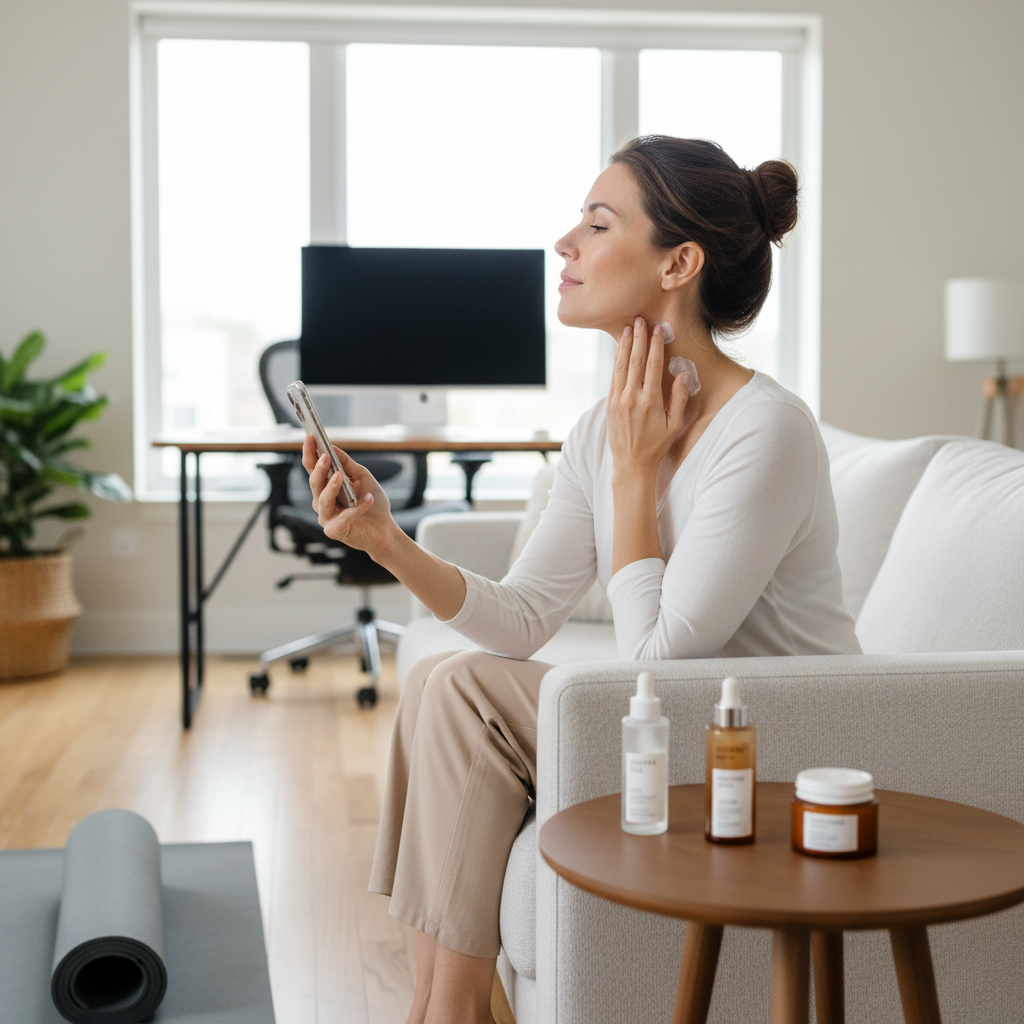
Navigating the world of skincare can be tricky, especially when battling breakouts. Certain common ingredients, from heavy occlusives to irritating fragrances and harsh alcohols, can unknowingly contribute to acne by clogging pores, disrupting your skin barrier, or triggering inflammation. Understanding these culprits is key to building a breakout-free routine.
Introduction
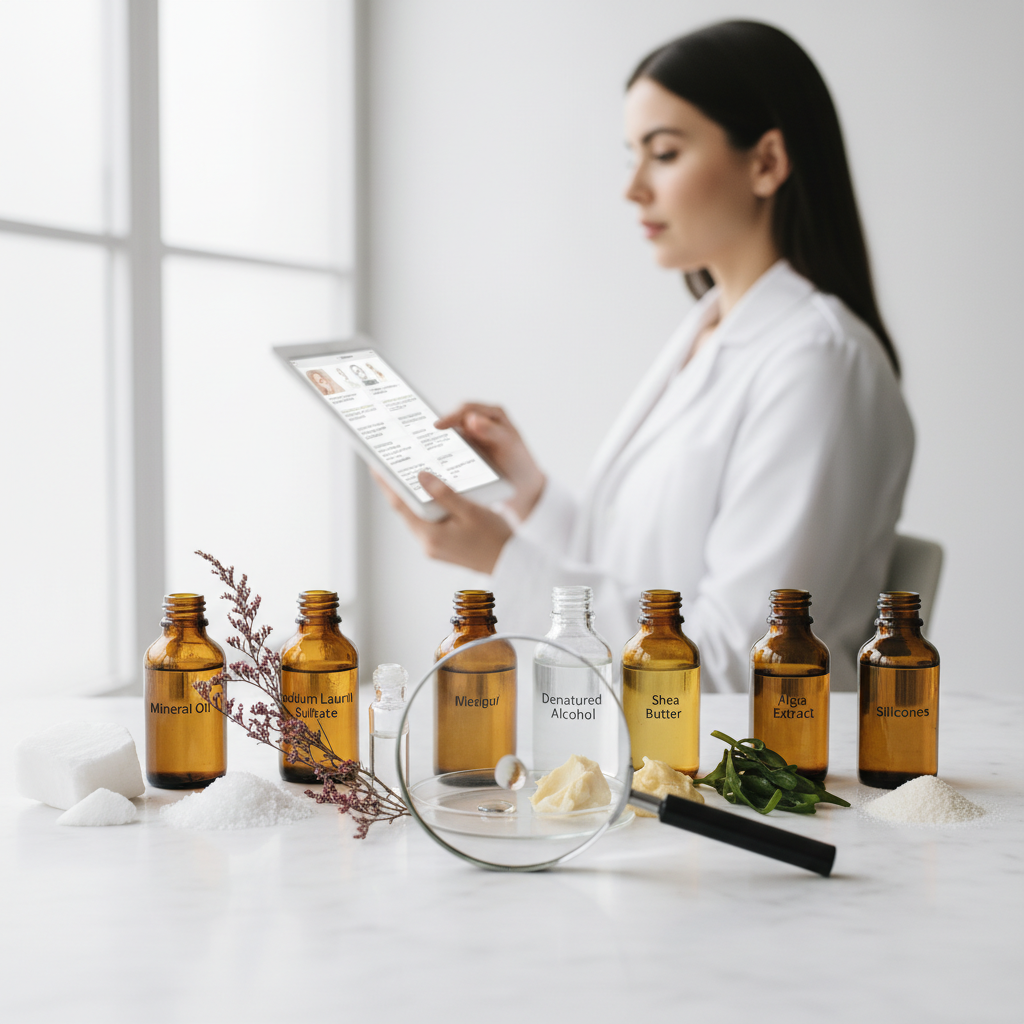
In the evolving landscape of 2026 skincare, where personalized routines and ingredient transparency reign supreme, it’s more crucial than ever to understand what you’re putting on your skin. For many women across the United States, the persistent challenge of acne, whether hormonal, stress-induced, or environmental, leads to a constant search for solutions. While we often focus on hero ingredients like salicylic acid or retinol to *treat* acne, it’s equally important to identify and avoid the ingredients that can secretly be triggering or exacerbating breakouts. This article will guide you through seven common skincare culprits, helping you make informed choices for clearer, healthier skin.
Why Do Certain Skincare Ingredients Trigger Acne?
Acne isn’t just a teenage phase; it’s a complex skin condition that can affect adults well into their 30s, 40s, and beyond. At its core, acne occurs when hair follicles become clogged with oil (sebum) and dead skin cells, creating an ideal environment for bacteria (P. acnes or C. acnes) to thrive. This leads to inflammation, blackheads, whiteheads, papules, and pustules. While genetics, hormones, and lifestyle play significant roles, the products we apply daily can either be allies or saboteurs in our quest for clear skin. Ingredients can trigger acne in several ways:
- Clogging Pores (Comedogenicity): Some ingredients are inherently “comedogenic,” meaning they have a tendency to block pores. When pores are blocked, sebum and dead skin cells accumulate, leading to breakouts.
- Disrupting the Skin Barrier: Your skin barrier is your body’s first line of defense, a protective layer that keeps moisture in and irritants out. Harsh ingredients can strip this barrier, leading to dryness, irritation, and an overproduction of oil to compensate, creating a vicious cycle of breakouts. Ceramides, cholesterol, and fatty acids are vital for a healthy barrier.
- Causing Inflammation: Irritating ingredients can trigger an inflammatory response in the skin. Inflammation is a key component of acne formation, worsening existing lesions and potentially leading to new ones.
- Altering the Skin Microbiome: The skin hosts a delicate balance of microorganisms. Disrupting this balance with harsh ingredients can allow acne-causing bacteria to proliferate.
Understanding these mechanisms is the first step toward becoming an ingredient detective and making smarter choices for your skin.
Which Common Moisturizer Ingredients Can Clog Pores?
Heavy Occlusives (e.g., Petrolatum, Mineral Oil, Lanolin)
These ingredients are champions at creating a protective barrier on the skin, preventing moisture loss. While excellent for very dry or compromised skin, they can be problematic for acne-prone individuals, especially when combined with other comedogenic ingredients or if not properly cleansed. Mineral oil and petrolatum are often unfairly demonized; in their highly refined forms, they are generally non-comedogenic for most. However, for those with extremely oily or sensitive, acne-prone skin, or if they are applied over already congested pores, they can trap everything underneath, exacerbating breakouts. Lanolin, derived from sheep’s wool, is another potent occlusive, but it has a higher comedogenic rating for some individuals and can also be an allergen.
“While petrolatum and mineral oil are often purified to be non-comedogenic, their occlusive nature means they can seal in anything already on the skin, including bacteria and dead skin cells, which can be an issue for acne-prone types.”
What to look for instead: For hydration without the heavy feel, opt for moisturizers with hyaluronic acid (a humectant that draws moisture into the skin without feeling greasy), niacinamide (which helps regulate oil production and reduce inflammation), or lightweight formulas featuring ceramides and peptides to support the skin barrier.
Are Fragrances and Essential Oils Really Bad for Acne-Prone Skin?
Synthetic Fragrances & Essential Oils
This is a big one. Fragrance, whether synthetic or derived from natural essential oils, is a leading cause of skin irritation and allergic reactions. While a product might smell delightful, those fragrant compounds are often complex mixtures of chemicals that can trigger inflammation, redness, and itching, all of which can exacerbate or even initiate acne breakouts. Even “natural” essential oils like lavender, peppermint, or tea tree (which ironically is often used for acne, but can still be irritating in high concentrations or for sensitive individuals) contain potent compounds that can be sensitizing.
Why they cause issues: Inflammation is a key player in acne formation. When your skin is irritated by fragrance, it can lead to a breakdown of the skin barrier, making it more susceptible to bacteria and further breakouts. For those with sensitive skin, this reaction can be immediate and visible, but even for others, repeated exposure can lead to subtle, ongoing inflammation that contributes to chronic acne.
What to look for instead: Always choose fragrance-free products. “Unscented” can sometimes still contain masking fragrances, so look for “fragrance-free” explicitly. Many reputable brands, from drugstore staples to prestige lines, offer excellent fragrance-free options. Focus on products with calming ingredients like centella asiatica or green tea extract.
How Can Alcohol in Skincare Damage My Skin Barrier?
SD Alcohol/Denatured Alcohol
Often found in toners, astringents, and some acne treatments, SD alcohol (also known as alcohol denat., ethanol, or isopropyl alcohol) provides a quick drying sensation and can temporarily degrease the skin. However, its long-term effects are detrimental. This type of alcohol strips the skin of its natural oils and protective barrier, leading to:
- Excessive Dryness: Paradoxically, stripping the skin can cause it to produce *more* oil to compensate, leading to a vicious cycle of oiliness and breakouts.
- Irritation and Inflammation: A damaged skin barrier is more vulnerable to environmental aggressors and bacteria, making it prone to irritation and inflammation, which are direct precursors to acne.
- Premature Aging: Chronic irritation can contribute to collagen breakdown over time.
It’s important to distinguish between “bad” alcohols (like SD alcohol) and “good” fatty alcohols (like cetyl alcohol, stearyl alcohol, and cetearyl alcohol) which are emollients, help moisturize, and stabilize formulations without drying the skin.
What to look for instead: For oil control, opt for toners with salicylic acid (a beta-hydroxy acid that penetrates oil to clear pores) or witch hazel (but be mindful of formulations that might still contain high alcohol content). Niacinamide also effectively regulates sebum production without stripping.
Are All Fatty Esters Bad for Acne-Prone Skin?
Certain Comedogenic Esters (e.g., Isopropyl Myristate, Myristyl Myristate)
While many esters are perfectly fine, some specific fatty acid esters are notorious for their comedogenic potential, meaning they are highly likely to clog pores for a significant number of people. Isopropyl Myristate is perhaps the most well-known culprit in this category. It’s often used in moisturizers, foundations, and sunscreens for its emollient properties and ability to help spread other ingredients. However, for acne-prone individuals, it can be a direct pathway to breakouts.
Other esters and fatty acids to be cautious of include Myristyl Myristate, Lauric Acid, and Coconut Oil (though technically a triglyceride, its high lauric acid content can be problematic for some). It’s crucial to remember that comedogenicity is individual; what clogs one person’s pores might be perfectly fine for another. However, if you’re struggling with persistent breakouts, checking for these ingredients is a smart move.
What to look for instead: Look for non-comedogenic oils like jojoba oil or squalane, or simply opt for oil-free formulations if your skin is particularly sensitive to esters. Gels and gel-creams are often good choices for oily and acne-prone skin.
Why Should I Be Wary of Sulphates in My Cleanser?
Sulphates (e.g., Sodium Lauryl Sulfate, Sodium Laureth Sulfate)
Sulphates like Sodium Lauryl Sulfate (SLS) and Sodium Laureth Sulfate (SLES) are common surfactants used in cleansers, shampoos, and body washes to create that satisfying lather. While effective at removing dirt and oil, they can be overly aggressive for the delicate facial skin, especially for those prone to acne or sensitivity.
How they impact acne:
- Stripping the Skin: Sulphates can strip away too much of the skin’s natural oils, leading to dryness and irritation. As mentioned, this can trigger the skin to produce more oil to compensate, creating a cycle that contributes to breakouts.
- Disrupting the Skin Barrier: They can compromise the integrity of the skin barrier, making it more permeable to irritants and bacteria, and less effective at retaining moisture. A weakened barrier is less resilient and more susceptible to inflammation and acne.
- Irritation: For sensitive skin, sulphates can cause redness, itching, and general irritation, further complicating acne management.
What to look for instead: Choose gentle, sulphate-free cleansers. Look for formulas that contain mild surfactants such as cocamidopropyl betaine, decyl glucoside, or sodium cocoyl isethionate. These will cleanse effectively without stripping or irritating the skin. A good cleanser for acne-prone skin might also contain a low concentration of salicylic acid or benzoyl peroxide (FDA-approved actives) to help treat existing breakouts without harshness.
Are Physical Exfoliants Always a Good Idea for Acne?
Harsh Physical Exfoliants (e.g., Walnut Shells, Apricot Pits)
The allure of a scrub that feels like it’s “deep cleaning” can be strong, but many common physical exfoliants, particularly those containing irregular, jagged particles like crushed walnut shells, apricot pits, or even some sugar or salt scrubs, can be highly damaging to acne-prone skin.
Why they trigger acne:
- Micro-tears: The sharp edges of these particles can create microscopic tears in the skin’s surface. These tiny wounds compromise the skin barrier, making it vulnerable to bacteria and inflammation.
- Spreading Bacteria: Scrubbing aggressively over active breakouts can rupture existing pustules, spreading bacteria and inflammation to other areas of the face, potentially worsening the acne.
- Increased Irritation: For already inflamed or sensitive skin, harsh scrubbing can intensify redness and irritation, which, as we know, contributes to acne.
What to look for instead: Chemical exfoliants are generally a much safer and more effective option for acne-prone skin. AHAs (alpha hydroxy acids) like glycolic acid and lactic acid gently dissolve dead skin cells on the surface, improving texture and tone. BHAs (beta hydroxy acids) like salicylic acid are oil-soluble, allowing them to penetrate deeper into pores to dissolve sebum and clear congestion. For those who prefer a physical exfoliant, look for products with very fine, spherical beads (like jojoba beads) or gentle exfoliating enzymes, and use them sparingly and gently.
Can “Natural” Ingredients Like Algae Extracts Cause Breakouts?
Algae & Seaweed Extracts
In the quest for natural and holistic skincare, ingredients like algae and seaweed extracts have gained popularity due to their perceived benefits, including hydration, antioxidant properties, and mineral content. However, for a significant number of individuals, particularly those with acne-prone skin, these seemingly innocuous “natural” ingredients can be surprisingly comedogenic.
Why they can be problematic: While research is ongoing and not all algae/seaweed types are created equal, some extracts have been shown to have a high potential for clogging pores. This can be due to their complex molecular structures or the way they interact with skin’s natural oils. They can create a film on the skin that traps sebum and dead skin cells, leading to blockages and breakouts. It’s a classic example of how “natural” doesn’t always equal “better” or “non-comedogenic” for everyone.
What to look for instead: If you’re looking for natural extracts with antioxidant or hydrating benefits, consider green tea extract, centella asiatica (cica), or chamomile, which are generally well-tolerated and known for their soothing properties. Always check ingredient lists and patch test new products, especially if they contain a lot of botanical extracts.
Building an Acne-Safe Skincare Routine: Key Habits
Beyond avoiding trigger ingredients, cultivating good skincare habits is paramount for managing and preventing acne. In 2026, the focus on skin barrier health and personalized routines is stronger than ever.
- Gentle Cleansing: Use a mild, sulphate-free cleanser twice daily. Over-cleansing or harsh scrubbing can strip your skin and worsen breakouts.
- Strategic Exfoliation: Incorporate chemical exfoliants like salicylic acid (BHA) or AHAs (glycolic, lactic) 2-3 times a week, as tolerated. These help to gently unglue dead skin cells and clear pores without physical irritation. Retinal (a potent vitamin A derivative, stronger than traditional retinol) is also gaining traction for its acne-fighting and anti-aging benefits, with less irritation than prescription retinoids.
- Hydrate & Protect Your Barrier: Use a lightweight, non-comedogenic moisturizer. Ingredients like hyaluronic acid, niacinamide, and ceramides are excellent for maintaining skin hydration and barrier integrity without clogging pores. A healthy skin barrier is crucial for resilience against breakouts.
- Daily Sun Protection: Apply a broad-spectrum mineral SPF (zinc oxide, titanium dioxide) with at least SPF 30 every morning. Sun exposure can worsen post-inflammatory hyperpigmentation (dark spots left by acne) and some acne treatments make your skin more sun-sensitive. Reapplication science is key here – aim for every 2 hours when exposed.
- Patch Test New Products: Before slathering a new product all over your face, apply a small amount to an inconspicuous area (like behind your ear or on your jawline) for a few days to check for reactions.
- Keep it Clean: Regularly clean your phone screen, pillowcases, and makeup brushes to minimize bacteria transfer to your face.
- Consult a Professional: If persistent acne is impacting your quality of life, a dermatologist can offer personalized advice, prescription treatments, and insights into dermal-grade at-home tools that might be right for you.
Comparison Table: Acne-Friendly Product Philosophies
Choosing the right products can be overwhelming. Here’s a look at different approaches to moisturizers for acne-prone skin, highlighting their core ingredient philosophies:
| Product Philosophy | Key Ingredients/Focus | Best For | Potential Drawbacks |
|---|---|---|---|
| Oil-Free Gel Moisturizer | Hyaluronic Acid, Glycerin, Niacinamide, Water-based humectants. | Oily, combination, very acne-prone skin seeking lightweight hydration. | May not be sufficient for very dry or mature skin types. |
| Barrier-Repair Cream | Ceramides, Cholesterol, Fatty Acids, Squalane, Peptides. | Acne-prone skin with a compromised barrier (e.g., from harsh treatments), sensitive skin. | Can feel slightly heavier; ensure it’s non-comedogenic. |
| Acne Treatment Moisturizer | Salicylic Acid (0.5-2%), Benzoyl Peroxide (2.5-5%), Tea Tree Oil (cautiously). | Targeted treatment for active breakouts; oily skin. | Can be drying or irritating if overused; not for daily sole use for all skin types. |
| Mineral Sunscreen Moisturizer | Zinc Oxide, Titanium Dioxide, often combined with ceramides or antioxidants. | All skin types, especially those prioritizing daily sun protection and minimal irritation. | Can sometimes leave a white cast, though modern formulations are improving. |
Frequently Asked Questions
Can switching to “clean beauty” products guarantee no breakouts?
Not necessarily. While “clean beauty” often emphasizes natural ingredients and avoids certain chemicals, the term isn’t FDA-regulated, and “natural” ingredients can still be irritating or comedogenic (like some essential oils or algae extracts). Always focus on ingredient lists and your skin’s individual response, rather than just marketing terms.
How can I tell if an ingredient is truly non-comedogenic?
While there are lists of comedogenic ingredients available, individual reactions vary greatly. The best approach is to look for products labeled “non-comedogenic” or “non-acnegenic” (though these claims aren’t universally regulated either). More importantly, patch test new products, introduce them one at a time, and observe your skin for a few weeks to identify potential triggers.
Is it better to use drugstore or prestige skincare for acne?
Both drugstore and prestige brands offer excellent, effective acne treatments and skincare. Many FDA-approved actives like salicylic acid and benzoyl peroxide are widely available in affordable drugstore formulations. Prestige brands may offer more luxurious textures, unique ingredient combinations, or advanced delivery systems, but higher price doesn’t automatically mean better results. Focus on ingredients and formulation over brand name or price tag.
My skin feels tight and dry after using an acne product. Is that normal?
A little dryness can be expected with some potent acne treatments like benzoyl peroxide or retinoids (including retinal). However, if your skin feels severely tight, flaky, or irritated, it’s a sign that your skin barrier is compromised. Reduce frequency of application, pair with a rich, barrier-repairing moisturizer, and consider consulting a dermatologist. You might be using too strong a product or too much of it.
What about new 2026 trends like dermal-grade at-home tools? Can they help with acne?
Dermal-grade at-home tools, such as LED masks (especially blue light for bacteria and red light for inflammation), microcurrent devices, or even professional-grade pore extractors, are gaining popularity. While some, like LED masks, have good evidence for helping with acne and inflammation, others may offer more subtle benefits or require expert guidance. Always research thoroughly, ensure safety certifications, and consider consulting a dermatologist before investing, especially for acne treatment.
Conclusion
Achieving clear skin is a journey of understanding and patience. By becoming an ingredient-savvy consumer and learning to identify the common culprits that can trigger acne – from heavy occlusives and irritating fragrances to harsh alcohols and certain plant extracts – you empower yourself to make better choices for your skin. Remember, consistency, a gentle approach, and prioritizing skin barrier health are just as crucial as any single “miracle” ingredient in your pursuit of a healthy, radiant complexion.