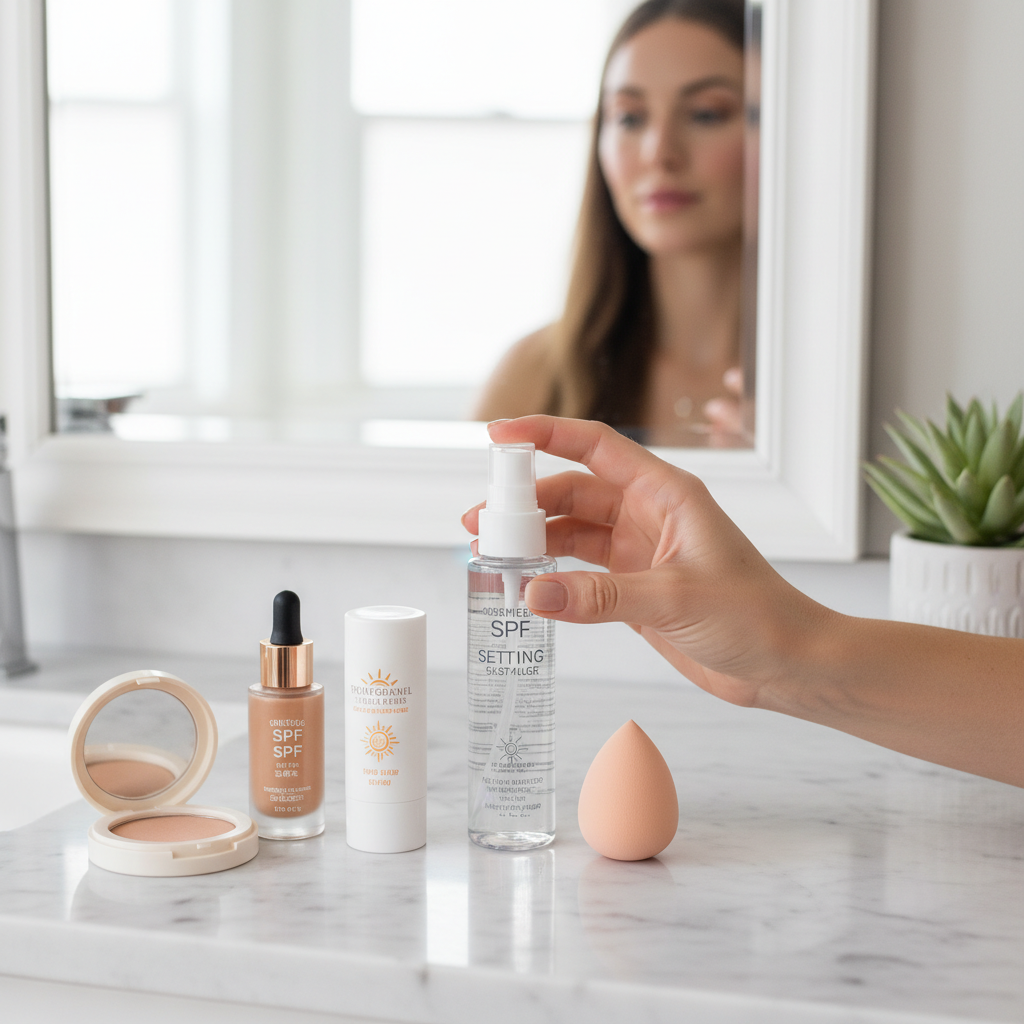
Reapplying sunscreen over makeup is essential for continuous UV protection. The most effective methods include using SPF setting sprays, powders, sticks, or gently dabbing on a tinted SPF fluid or serum with a beauty blender. The key is choosing a broad-spectrum product and applying it evenly without disturbing your makeup.
Introduction
In 2026, we understand more than ever that consistent sun protection isn’t just about preventing sunburn; it’s about safeguarding our skin health, maintaining a youthful complexion, and reducing the risk of skin cancer. While most of us are diligent about applying SPF in the morning, the challenge often arises when it’s time to reapply over a full face of makeup. This article will demystify the process, offering expert-backed strategies and product insights to ensure your skin stays protected all day, every day.
Why is Sunscreen Reapplication So Crucial, Even Over Makeup?
Many believe a single morning application of SPF, especially when layered under makeup, offers all-day protection. Unfortunately, this isn’t the case. Sunscreen, whether chemical or mineral, degrades over time due to sun exposure, sweat, friction, and environmental factors. Its protective efficacy significantly diminishes after just a couple of hours. Skipping reapplication leaves your skin vulnerable to cumulative UV damage, which accelerates skin aging, contributes to hyperpigmentation, and increases the risk of various skin cancers. Given the heightened focus on skin barrier health and long-term skin integrity in contemporary skincare, consistent, broad-spectrum protection throughout the day is non-negotiable.
What’s the Science Behind Sunscreen Longevity?
The effectiveness of sunscreen relies on its active ingredients and how long they remain stable and evenly distributed on the skin. Chemical filters like Avobenzone, Octinoxate, and Octisalate absorb UV radiation and convert it into heat, a process that can break down the filter itself over time. Mineral filters, primarily Zinc Oxide and Titanium Dioxide, work by creating a physical barrier that reflects and scatters UV rays. While generally more stable, they can still be rubbed off, diluted by sweat, or disturbed by environmental factors. The integrity of your initial SPF layer is further compromised by makeup application, which can dilute or unevenly spread the sunscreen, and by daily activities that cause friction or sweating. Reapplication ensures a fresh, uniform layer of protection, restoring your SPF to its stated level.
Which Sunscreen Reapplication Methods Work Best Over Makeup?
Navigating sunscreen reapplication without disrupting your carefully applied makeup can seem daunting, but several innovative product formats make it surprisingly easy.
SPF Setting Sprays
These sprays are designed to be misted over your finished makeup. They often contain a combination of chemical UV filters and sometimes hydrating or mattifying ingredients. For effective protection, you need to apply a generous amount, ensuring full coverage without soaking your face. Hold the bottle about 8-10 inches away and mist in a circular or “X” and “T” motion, allowing it to dry naturally. They are excellent for a quick refresh and can help set makeup.
SPF Powders
Mineral-based SPF powders, typically containing Zinc Oxide and Titanium Dioxide, are fantastic for oily or combination skin types. They absorb excess oil while providing a physical barrier against UV rays. Use a fluffy brush to lightly dust the powder over your face, paying extra attention to areas prone to sun exposure like the forehead, nose, and cheekbones. These are particularly popular for their mattifying effect and ease of use.
SPF Sticks
Sunscreen sticks offer targeted reapplication and are great for on-the-go touch-ups. They are often formulated with mineral filters and can be glided directly onto the skin. The key is to pat or gently blend the product in with your fingertips or a clean makeup sponge after application to avoid smudging your makeup. They are ideal for high points of the face like cheekbones, the bridge of the nose, and the forehead, and are excellent for dry or sensitive skin due to their often emollient texture.
Tinted SPF Serums/Fluids (Dab Method)
For those who prefer a liquid reapplication, a lightweight, tinted SPF serum or fluid can work wonders. Dispense a small amount onto the back of your hand, then use a clean, damp beauty blender or makeup sponge to gently dab and press the product onto your face. This method allows for precise application and can offer a slight boost in coverage while providing robust protection. Look for formulas with hydrating ingredients like hyaluronic acid or ceramides to keep skin supple.
Cushion Compacts with SPF
These popular K-beauty innovations have made their way into mainstream US markets and offer a convenient way to reapply SPF. A sponge saturated with a liquid SPF formula is housed in a compact. Simply press the puff onto the sponge and then gently pat the product over your face. Many offer light to medium coverage, making them perfect for refreshing both your sun protection and your foundation throughout the day.
How Do Different SPF Formulations Compare for On-the-Go Reapplication?
Choosing the right reapplication method depends on your skin type, makeup preference, and lifestyle. Here’s a comparison of popular options:
| Method | Best For | Key Actives (Common) | Pros | Cons |
|---|---|---|---|---|
| SPF Setting Spray | All skin types, quick refresh | Avobenzone, Octinoxate, Octisalate | Easy to apply, sets makeup, lightweight feel | Hard to gauge coverage, requires generous application for efficacy |
| SPF Powder | Oily, combination skin, mattifying finish | Zinc Oxide, Titanium Dioxide | Absorbs oil, provides physical barrier, easy touch-ups | Can look cakey if over-applied, may not suit very dry skin |
| SPF Stick | Dry, sensitive skin, targeted areas | Zinc Oxide, Titanium Dioxide | Precise application, portable, often hydrating | Can disrupt makeup if not carefully blended, may feel heavy |
| Tinted SPF Fluid/Serum | All skin types, light coverage boost | Zinc Oxide, Titanium Dioxide, Avobenzone, Octinoxate | Effective protection, customizable coverage, hydrating | Requires a beauty blender, slightly more time-consuming |
| SPF Cushion Compact | All skin types, light to medium coverage refresh | Zinc Oxide, Titanium Dioxide, various chemical filters | Convenient, provides light coverage, easy reapplication | Can be pricey, limited shade range for tinted versions |
What Are the Key Ingredients to Look for in Reapplication Products?
When selecting your reapplication SPF, understanding the active ingredients and beneficial additives is crucial for effective protection and skin health.
- Mineral Filters (Zinc Oxide, Titanium Dioxide): These FDA-approved physical blockers sit on the skin’s surface, reflecting UV rays. They are generally considered gentle, broad-spectrum, and suitable for sensitive skin.
- Chemical Filters (Avobenzone, Octinoxate, Octisalate): These FDA-approved filters absorb UV radiation and convert it into heat. They often offer a lighter, more transparent finish, making them popular in sprays and lightweight fluids.
- Antioxidants (Vitamin C, Vitamin E): These ingredients combat free radical damage caused by UV exposure and environmental pollutants, enhancing the skin’s defense mechanisms.
- Hyaluronic Acid: A powerful humectant that draws moisture into the skin, keeping it hydrated and plump, which is especially beneficial when reapplying over makeup to prevent a dry or cakey look.
- Ceramides: Essential lipids that support the skin barrier, helping to retain moisture and protect against environmental aggressors. Products with ceramides can help maintain skin health throughout the day.
- Niacinamide (Vitamin B3): Known for its soothing, anti-inflammatory, and oil-regulating properties, niacinamide can help reduce redness and minimize the appearance of pores, making it a great addition to SPF for combination or oily skin.
- Peptides: These short chains of amino acids can signal the skin to produce more collagen, contributing to firmness and elasticity over time. While not direct SPF, they support overall skin health.
Tips for Seamless Sunscreen Reapplication Over Your Daily Makeup
- Blot First: If your skin is oily or sweaty, gently blot your face with a blotting paper or tissue before reapplying SPF. This removes excess oil and moisture, allowing for better product adherence and preventing a greasy finish.
- Apply in Layers: Regardless of the method, apply your reapplication SPF in light, even layers rather than one thick coat. This ensures better coverage and reduces the risk of disturbing your makeup.
- Use Patting Motions: When using sticks, creams, or tinted fluids, always use gentle patting or pressing motions with your fingers or a clean sponge. Avoid rubbing, which can smear your foundation and concealer.
- Check for Broad-Spectrum: Always ensure your reapplication product is labeled “broad-spectrum,” meaning it protects against both UVA (aging) and UVB (burning) rays.
- Prioritize High-Exposure Areas: Pay extra attention to areas most exposed to the sun, such as the nose, cheekbones, forehead, and décolletage.
- Consider Your Skin Type: Oily skin types might prefer mattifying powders or lighter sprays. Drier skin types may benefit from hydrating sticks or dewy sprays. Sensitive skin should lean towards mineral-based options.
- Clean Your Tools: If using a brush or sponge for application, ensure it’s clean to prevent bacterial buildup and maintain product efficacy.
Dermatologist Consensus: What Do Experts Recommend for Daily Protection?
Dermatologists consistently emphasize the critical importance of daily, consistent sun protection. The consensus is clear: use a broad-spectrum sunscreen with an SPF of 30 or higher every single day, regardless of weather or indoor activity. Reapplication every two hours, or immediately after swimming, sweating, or towel drying, is non-negotiable for maintaining adequate protection. While makeup with SPF can offer a baseline, it rarely provides sufficient coverage or longevity to replace dedicated sunscreen. Many dermatologists advocate for mineral sunscreens (Zinc Oxide, Titanium Dioxide) for their broad-spectrum efficacy and gentle nature, especially for sensitive skin. The focus on preserving the skin barrier in 2026 skincare means choosing formulations that are not only protective but also nourishing, avoiding harsh ingredients that could compromise skin integrity.
Frequently Asked Questions
Can I just use makeup with SPF?
While makeup containing SPF offers some initial protection, it’s generally not sufficient on its own. To achieve the SPF stated on the label, you’d need to apply a much thicker layer than most people typically use for makeup. Furthermore, makeup SPF degrades just like regular sunscreen and needs reapplication. It’s always best to use a dedicated broad-spectrum sunscreen as your primary protection, then layer makeup on top.
How often should I reapply sunscreen over makeup?
The general recommendation from dermatologists is to reapply broad-spectrum sunscreen every two hours, or more frequently if you’re sweating heavily, swimming, or towel drying. This applies whether you’re wearing makeup or not, as the active ingredients in sunscreen break down and become less effective over time.
Will reapplying sunscreen ruin my makeup?
Not necessarily! With the right product and technique, you can reapply sunscreen without disturbing your makeup. SPF setting sprays, powders, and sticks are specifically designed for this purpose. The key is to choose lightweight formulas and use gentle patting or misting motions rather than rubbing, which can smear your foundation.
Are SPF setting sprays effective enough?
SPF setting sprays can be effective, but proper application is crucial. Many users don’t apply enough product to achieve the stated SPF. For adequate protection, you need to mist generously and evenly, ensuring full coverage. Think of it as applying a full layer of liquid, not just a light spritz. They are often best used as a convenient reapplication method rather than your sole morning SPF.
What about dermal-grade at-home tools and SPF?
At-home dermal tools like LED masks, microcurrent devices, or facial steamers are excellent for targeting specific skin concerns (e.g., anti-aging, firming, hydration). However, they do not offer any sun protection and should not be seen as a replacement for SPF. In fact, some treatments (like those involving exfoliation or light therapy) can even make your skin more sensitive to the sun, making diligent SPF application and reapplication even more critical.
Conclusion
Daily sunscreen reapplication, even over makeup, is a cornerstone of effective skincare and long-term skin health. By embracing innovative product formats like SPF sprays, powders, and sticks, and mastering gentle application techniques, you can ensure continuous broad-spectrum protection without compromising your look. Prioritizing this step not only safeguards against premature aging and skin damage but also reinforces your commitment to a healthy, resilient skin barrier, keeping your complexion radiant and protected for years to come.