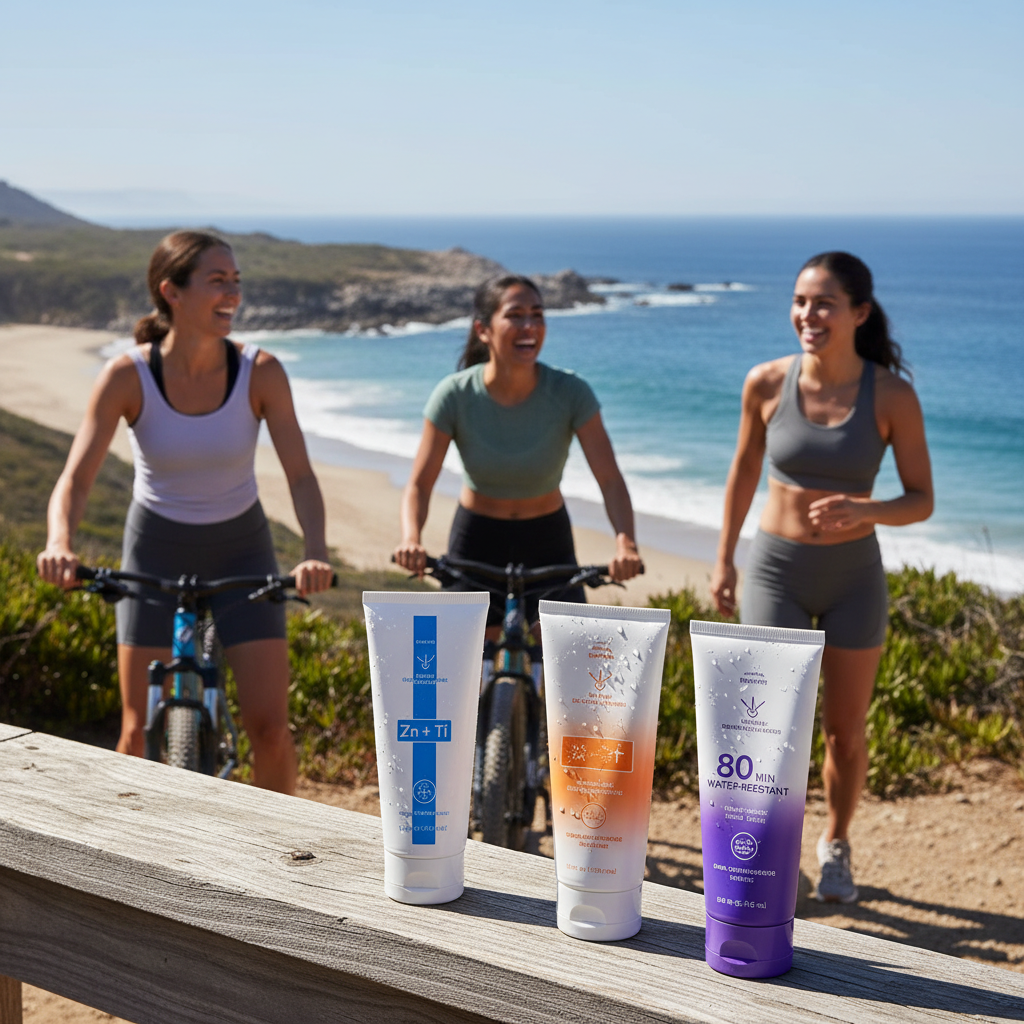
For active women in 2026, the best water-resistant SPFs blend high protection with a comfortable, durable finish, ensuring your skin is shielded whether you’re sweating through a workout or enjoying a day outdoors. Mineral formulas featuring zinc oxide and titanium dioxide are often preferred for sensitive skin and immediate protection, while advanced chemical filters offer elegant textures and broad-spectrum defense. Prioritize formulas labeled “80 minutes water-resistant,” non-comedogenic, and tailored to your specific skin type for optimal performance and skin health.
Introduction
Stepping outside, whether for a morning run, a hike, or just a busy day of errands, means exposing your skin to the sun’s powerful rays. For the active woman, finding an SPF that can keep up with sweat, water, and movement isn’t just a preference—it’s a necessity for long-term skin health. In 2026, our understanding of sun protection has evolved, emphasizing not just high SPF numbers but also the resilience and formulation of the product itself.
What Makes an SPF “Water-Resistant,” and Why Does it Matter for Active Lifestyles?
The term “water-resistant” on an SPF label isn’t just marketing jargon; it’s a specific claim regulated by the FDA in the United States. Unlike older “waterproof” claims, which were deemed misleading, water-resistant sunscreen means the product maintains its SPF level after a certain period of water exposure or sweating.
There are two primary classifications you’ll see:
- Water-Resistant (40 minutes): This means the SPF maintains its stated protection for up to 40 minutes of swimming or sweating.
- Water-Resistant (80 minutes): This indicates the SPF maintains its protection for up to 80 minutes of swimming or sweating.
For active women, especially those engaging in high-intensity sports, swimming, or prolonged outdoor activities, opting for an “80 minutes water-resistant” formula is crucial. This extended durability ensures that your skin remains protected even as you perspire or take a dip. The active ingredients in these formulations are designed to adhere to the skin more effectively, resisting degradation or wash-off that would compromise their protective barrier. This adherence is critical because UV radiation can cause immediate sunburn and contribute to long-term issues like premature aging (photoaging) and increased skin cancer risk.
Mineral vs. Chemical: Which SPF Formula Should I Choose for My Active Lifestyle?
The perennial debate between mineral and chemical sunscreens often comes down to personal preference, skin type, and specific activity. Both types offer effective broad-spectrum protection, but they do so through different mechanisms.
Understanding Mineral SPFs (Physical Blockers)
Mineral sunscreens, also known as physical sunscreens, use naturally occurring minerals—most commonly zinc oxide and titanium dioxide—to create a physical barrier on the skin’s surface. These minerals work by reflecting and scattering UV rays away from the skin.
- Zinc Oxide: Offers broad-spectrum protection against both UVA and UVB rays and is often lauded for its soothing properties, making it excellent for sensitive or acne-prone skin.
- Titanium Dioxide: Primarily protects against UVB and shorter UVA rays, often used in combination with zinc oxide for comprehensive broad-spectrum coverage.
Pros for Active Lifestyles:
- Immediate Protection: They work immediately upon application, as they don’t need to be absorbed into the skin.
- Gentle on Sensitive Skin: Less likely to cause irritation, making them ideal for those prone to redness, eczema, or acne.
- Stable in Sunlight: Mineral filters are photostable, meaning they don’t degrade as quickly when exposed to UV light.
Cons for Active Lifestyles:
- White Cast: Traditional formulations can leave a noticeable white cast, especially on deeper skin tones. Modern micronized or tinted versions significantly reduce this.
- Thicker Texture: Can sometimes feel heavier or thicker, which might not be preferred during intense physical activity.
Understanding Chemical SPFs (Organic Filters)
Chemical sunscreens contain organic compounds like oxybenzone, avobenzone, octinoxate, and octisalate. These ingredients work by absorbing UV radiation and converting it into heat, which is then released from the skin. In 2026, newer, more advanced chemical filters, often referred to as “next-generation” or “European” filters (though many are now FDA-approved or under review in the US), offer enhanced photostability and broad-spectrum coverage with elegant textures.
Pros for Active Lifestyles:
- Lightweight Texture: Tend to be thinner and more cosmetically elegant, absorbing easily without a white cast.
- Easier to Apply: Can spread more smoothly, making them ideal for larger areas of the body and quick application.
- Less Visible: Blends seamlessly into all skin tones.
Cons for Active Lifestyles:
- Absorption into Skin: Some individuals have concerns about chemical filters being absorbed into the bloodstream, though regulatory bodies generally deem them safe for use.
- Potential for Irritation: Certain chemical filters can cause irritation or allergic reactions in sensitive individuals.
- Activation Time: Typically require 15-20 minutes to become fully effective after application.
The Verdict for Active Women: Both types can be excellent choices. If you have sensitive skin, prioritize mineral formulations. If you prefer a lightweight, invisible finish and don’t experience sensitivity, a modern chemical SPF can be highly effective. Many brands also offer hybrid formulas that combine the best of both worlds.
How Do I Pick the Right Water-Resistant SPF for My Skin Type?
Selecting the perfect water-resistant SPF goes beyond just its protective capabilities; it also needs to align with your skin’s unique needs.
Oily or Acne-Prone Skin
Look for formulas labeled “non-comedogenic,” meaning they won’t clog pores. Opt for lightweight, gel-based, or fluid textures. Many mineral sunscreens with zinc oxide can be beneficial due to zinc’s anti-inflammatory properties. Seek out matte finishes to help control shine. Salicylic acid, while not an SPF ingredient, can be used in your routine to manage oil and breakouts, complementing your SPF.
Dry Skin
Hydration is key. Choose sunscreens with moisturizing ingredients like hyaluronic acid, glycerin, or ceramides. Creamier textures that feel nourishing without being greasy are ideal. Avoid formulas with high alcohol content, which can be drying.
Combination Skin
You might benefit from a lightweight lotion or gel that balances hydration without exacerbating oiliness in the T-zone. Mineral sunscreens or hybrid formulas often work well, offering broad protection without feeling heavy.
Sensitive Skin
Mineral sunscreens (zinc oxide and titanium dioxide) are generally the safest bet, as they are less likely to cause irritation. Look for “fragrance-free,” “dye-free,” and “hypoallergenic” labels. Avoid common irritants like oxybenzone and octinoxate if you react to chemical filters. Niacinamide, a form of Vitamin B3, can help strengthen the skin barrier and reduce redness, making it a good companion active.
Mature Skin
Focus on formulas that offer antioxidant benefits in addition to sun protection. Ingredients like Vitamin C (an antioxidant that brightens skin and protects against environmental damage) and Vitamin E can help combat free radical damage. Hydrating, nourishing textures are usually preferred, and tinted mineral SPFs can offer a subtle blurring effect while providing protection. Peptides, which support collagen production, can also be found in some advanced formulations to address signs of aging.
Beyond the Bottle: What Are the Best Practices for Applying and Reapplying Water-Resistant SPF?
Even the best water-resistant SPF is only effective if applied correctly and consistently. In 2026, the science around sunscreen reapplication has become even more refined.
The “Two-Finger Rule” and Proper Application
Many people don’t apply enough sunscreen. A common guideline is the “two-finger rule”—squeeze a line of sunscreen onto your index and middle fingers, from base to tip. This amount is generally sufficient for your face and neck. For your body, apply enough to visibly cover all exposed skin.
- Apply Generously: Don’t skimp. A thin layer won’t provide the advertised SPF.
- Even Coverage: Ensure all exposed areas are covered, paying special attention to often-missed spots like ears, neck, décolletage, and the tops of your feet.
- Pre-Activity Application: Apply sunscreen at least 15-20 minutes before sun exposure to allow it to set, especially for chemical formulas.
The Critical Importance of Reapplication
This is where water-resistant formulas truly shine for active individuals. Even with an “80 minutes water-resistant” label, reapplication is non-negotiable.
- Every 2 Hours: Reapply at least every two hours during prolonged sun exposure, regardless of water resistance.
- After Swimming/Sweating: Reapply immediately after towel drying, or after 40 or 80 minutes of swimming or heavy sweating, as per the product’s claim.
- Post-Workout: If you’ve had an intense, sweaty workout, reapply your SPF even if it hasn’t been the full 2 hours.
New reapplication tools, such as stick formulas, brush-on powders, and even compact sponges saturated with SPF, are gaining popularity for convenient, mess-free reapplication over makeup or on the go. While these can be helpful, always ensure you’re applying a sufficient amount for effective protection.
Which Water-Resistant SPFs Are Dermatologist-Recommended for Sport and Outdoor Activities?
Dermatologists consistently recommend broad-spectrum, water-resistant formulas with an SPF of 30 or higher. When choosing, consider the formulation type (mineral, chemical, or hybrid) and how it feels on your skin during activity. Here’s a look at some common types of products that align with expert recommendations for active lifestyles:
| Product Type Example | Formula Type | Key Benefits for Active Use | Texture & Finish | Suitable For |
|---|---|---|---|---|
| Sport Mineral SPF Lotion (SPF 50) | Mineral (Zinc Oxide, Titanium Dioxide) | Immediate protection, gentle for sensitive skin, photostable, high water resistance (80 min). | Creamy, often with a slight tint to minimize white cast; natural finish. | Sensitive, oily, acne-prone, all skin tones (tinted versions). |
| Ultra-Light Sport Fluid SPF (SPF 60) | Chemical (Advanced Filters) | Invisible finish, highly spreadable, very lightweight, excellent for layering, high water resistance (80 min). | Fluid, serum-like; invisible, non-greasy finish. | All skin types, especially those who dislike traditional sunscreen feel; deeper skin tones. |
| Hydrating Sport Hybrid SPF (SPF 45) | Hybrid (Mineral + Chemical) | Combines mineral stability with elegant chemical texture, added hydration (e.g., Hyaluronic Acid), water resistant (80 min). | Light lotion; dewy but not greasy finish. | Dry, combination, mature skin; those seeking balanced protection. |
| Active SPF Stick (SPF 50) | Mineral or Chemical | Convenient for targeted application and reapplication, portable, mess-free, high water resistance (80 min). | Solid balm; leaves a protective, sometimes slightly visible layer. | All skin types; excellent for face, ears, neck, hands; on-the-go. |
What Other Skincare Actives Complement My Sporty SPF Routine?
While SPF is your primary defense, incorporating other active ingredients can significantly enhance your skin’s resilience and recovery, especially when you’re frequently outdoors.
Before Sun Exposure (Morning Routine)
Vitamin C: An antioxidant powerhouse, Vitamin C (L-ascorbic acid or its derivatives) helps neutralize free radicals generated by UV exposure and pollution, brightens the skin, and can boost the efficacy of your sunscreen. Apply a Vitamin C serum in the morning before your SPF.
After Sun Exposure (Evening Routine)
The focus shifts to repair, hydration, and barrier support.
- Niacinamide: Also known as Vitamin B3, Niacinamide is a multi-tasker. It helps strengthen the skin barrier, reduce inflammation and redness, minimize pore appearance, and improve skin tone. It’s excellent for soothing skin after a day in the sun.
- Hyaluronic Acid: This humectant draws moisture from the environment into the skin, providing intense hydration. Essential for replenishing moisture lost through sweat and sun exposure.
- Ceramides: These are lipids that are a crucial component of your skin barrier. Replenishing ceramides helps fortify the skin’s natural protective layer, preventing moisture loss and protecting against environmental aggressors, especially important after sun and sweat exposure.
- AHAs (Alpha Hydroxy Acids) or Retinoids: While not for direct sun exposure, incorporating actives like AHAs (e.g., glycolic, lactic acid for exfoliation) or retinoids (retinol, retinal) into your evening routine can help address photoaging concerns like fine lines, wrinkles, and hyperpigmentation over time. However, these ingredients increase sun sensitivity, so diligent morning SPF application is paramount. For 2026, retinal is gaining traction as a more potent yet potentially less irritating alternative to traditional retinol.
Frequently Asked Questions
Is a higher SPF number always better for sports?
While an SPF 50 offers slightly more protection than an SPF 30 (blocking approximately 98% vs. 97% of UVB rays), the difference is marginal. What’s far more important for active individuals is applying enough sunscreen, choosing a broad-spectrum, water-resistant formula, and reapplying it diligently every 40 or 80 minutes (as per the label) or after heavy sweating/swimming, and at least every two hours.
Can I rely on SPF in my makeup for outdoor activities?
Generally, no. SPF in makeup (foundations, BB creams, powders) is rarely applied in sufficient quantity to provide the stated protection. For serious outdoor activities, always apply a dedicated water-resistant sunscreen as your primary layer, then apply makeup if desired.
How do I prevent sunscreen from stinging my eyes when I sweat?
This is a common issue, especially with chemical sunscreens. Try using a mineral-based sunscreen around your eye area, as zinc oxide and titanium dioxide are less likely to migrate and cause irritation. Look for “tear-free” or “sting-free” formulas. Wearing a hat or sweatband can also help divert sweat (and sunscreen) away from your eyes.
Are “reef-safe” sunscreens truly better for the environment, and should I prioritize them for outdoor activities?
The term “reef-safe” generally refers to sunscreens free from oxybenzone and octinoxate, chemical filters that have been linked to coral bleaching. While the science is still evolving, many dermatologists and environmental advocates recommend opting for mineral sunscreens (zinc oxide and titanium dioxide) as a “reef-friendly” alternative. If you’re swimming in oceans or lakes, prioritizing these formulations is a responsible choice for environmental impact.
My water-resistant SPF feels heavy. Are there lighter options that still perform?
Absolutely. Formulations have come a long way. Look for “ultralight,” “fluid,” or “gel” textures. Advanced chemical filters often provide an invisible, weightless feel. Tinted mineral sunscreens can also offer a lighter feel while blending seamlessly. Experiment with different brands and types to find one that feels comfortable on your skin without compromising protection.
Conclusion
Choosing the best water-resistant SPF for your active lifestyle in 2026 means prioritizing effective, broad-spectrum protection that stands up to sweat and water, while also catering to your unique skin needs. By understanding the differences between mineral and chemical formulas, applying generously, and reapplying diligently, you can confidently enjoy your outdoor pursuits knowing your skin is well-protected. Coupled with a thoughtful skincare routine incorporating supportive actives, your skin will not only be safe from the sun’s immediate damage but also thrive in the long run.