Antioxidants in SPF are crucial molecules that combat free radical damage caused by UV radiation and environmental stressors, offering enhanced protection beyond what SPF alone provides. They work synergistically with sunscreen filters to neutralize harmful compounds, helping to prevent premature aging, hyperpigmentation, and collagen degradation, making them an indispensable component of a comprehensive daily skincare regimen.
Introduction
In the evolving landscape of skincare, the conversation around sun protection has moved beyond simply blocking UV rays. Today, savvy consumers and dermatologists alike recognize the profound importance of a multi-faceted approach to skin defense. Central to this advanced strategy is the inclusion of antioxidants within your daily SPF, a powerful combination designed to safeguard your skin against a spectrum of environmental threats.
What Exactly Are Free Radicals and Why Are They Bad for My Skin?
Imagine tiny, unstable molecules constantly seeking to wreak havoc on your skin cells – those are free radicals. Generated by factors like UV radiation, pollution, cigarette smoke, and even stress, these molecules have an unpaired electron, making them highly reactive. To stabilize themselves, they steal electrons from healthy skin cells, initiating a chain reaction of damage. This oxidative stress can break down collagen and elastin, leading to wrinkles, fine lines, and sagging skin. It can also trigger hyperpigmentation, dullness, and contribute to inflammatory conditions, accelerating the visible signs of aging.
How Do Antioxidants Work Their Magic in Skincare?
Antioxidants are your skin’s valiant defenders against free radical damage. These remarkable compounds donate an electron to unstable free radicals, neutralizing them before they can harm healthy cells. Think of them as tiny shields or sponges, absorbing the destructive energy before it impacts your skin’s structural integrity. When applied topically, antioxidants integrate into your skin’s protective layers, offering an additional line of defense against environmental aggressors. This protective action helps preserve collagen, maintain skin elasticity, reduce inflammation, and promote a more even, radiant complexion.
Why Isn’t My Regular SPF Enough for Complete Protection?
While your broad-spectrum SPF is non-negotiable for blocking harmful UVA and UVB rays, it’s not a complete shield against all environmental damage. SPF primarily works by creating a physical or chemical barrier against UV radiation, preventing it from penetrating the skin. However, even the best SPF can’t block 100% of UV rays, and it offers limited protection against other environmental aggressors like infrared radiation, visible light, and pollution, all of which generate free radicals. This is where antioxidants step in. They don’t block UV rays; instead, they scavenge and neutralize the free radicals that manage to get past your SPF, or those generated by non-UV sources, providing a crucial second layer of defense. This synergistic approach offers a more comprehensive shield, minimizing the cumulative damage that leads to premature aging.
Which Antioxidants Should I Look For in My SPF and How Do They Benefit My Skin?
Not all antioxidants are created equal, and some work particularly well in conjunction with SPF. Here are some of the most effective and commonly found:
- Vitamin C (L-Ascorbic Acid & Derivatives): A powerhouse ingredient, Vitamin C is not only a potent antioxidant but also stimulates collagen production, brightens the complexion, and helps fade hyperpigmentation. When paired with SPF, it enhances UV protection and offers superior defense against photoaging.
- Vitamin E (Tocopherol): A fat-soluble antioxidant that moisturizes and strengthens the skin barrier. It works synergistically with Vitamin C, boosting its efficacy and helping to stabilize it, making them an ideal duo in SPF formulations.
- Ferulic Acid: Often found alongside Vitamins C and E, ferulic acid is a plant-based antioxidant that not only provides its own free radical scavenging benefits but also stabilizes and potentiates the effects of these other vitamins, significantly enhancing their photoprotective capabilities.
- Niacinamide (Vitamin B3): While primarily known for its skin barrier-strengthening, anti-inflammatory, and oil-regulating properties, niacinamide also boasts antioxidant benefits. It helps reduce redness, improve skin tone, and minimize the appearance of pores, all while supporting the skin’s natural defenses.
- Green Tea Extract (EGCG): Rich in polyphenols, green tea is a potent anti-inflammatory and antioxidant. It helps protect against UV-induced damage, calms irritation, and can reduce signs of photoaging.
- Resveratrol: Found in grapes and berries, resveratrol is a powerful antioxidant with anti-inflammatory properties. It helps protect against environmental damage and supports cellular health, contributing to a more youthful appearance.
- Coenzyme Q10 (Ubiquinone): A naturally occurring antioxidant in the body, CoQ10 declines with age. Topical application helps to energize skin cells, protect against oxidative stress, and support collagen and elastin production.
How Do Antioxidant-Rich SPFs Fit into My Daily Skincare Routine?
Incorporating an antioxidant-rich SPF is simple and crucial for optimal skin health. Here’s a typical routine, addressing various skin types and common concerns:
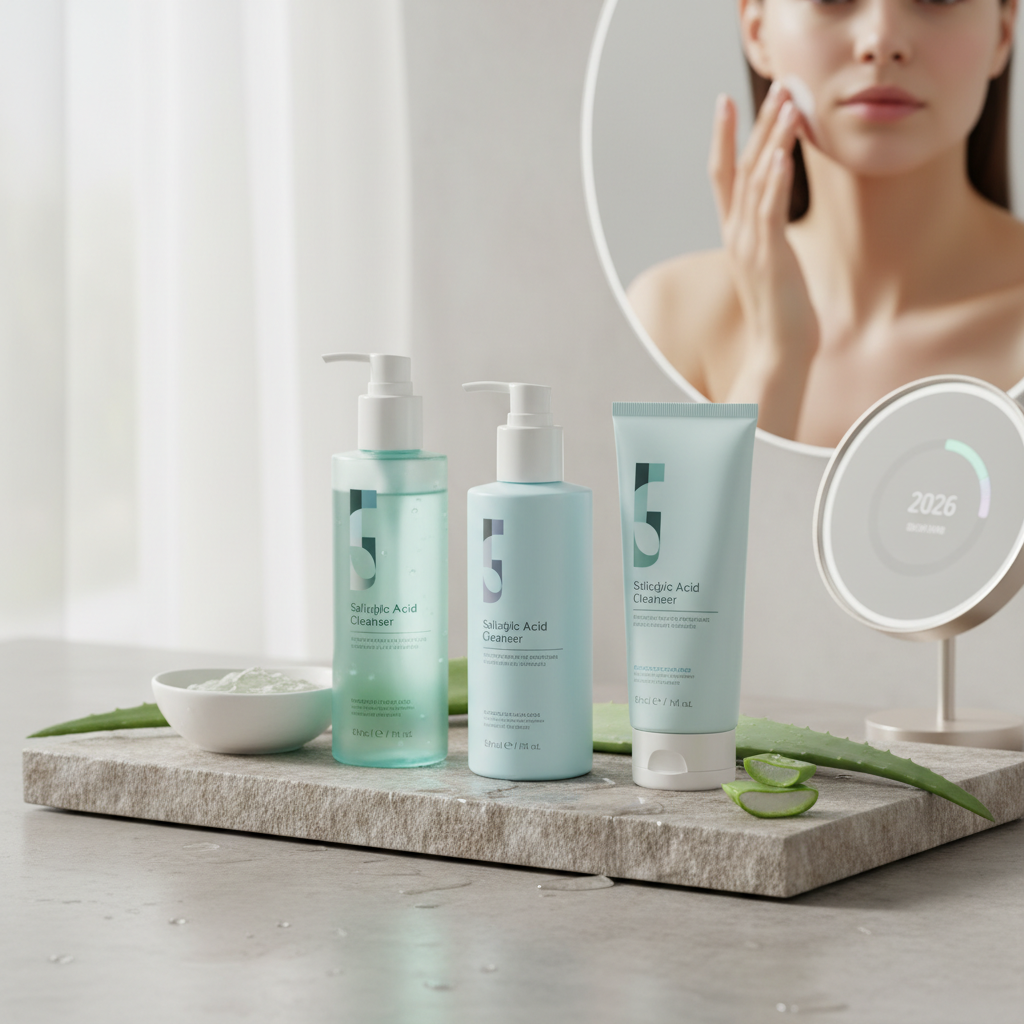
- Cleanse: Start with a gentle cleanser suitable for your skin type (e.g., salicylic acid for oily/acne-prone, cream cleanser for dry/sensitive).
- Treat (Optional): Apply targeted treatments like a Vitamin C serum (excellent for boosting antioxidant protection), niacinamide serum (for barrier support and redness), or a hyaluronic acid serum (for hydration) on damp skin. For evening, consider a retinal (a potent Vitamin A derivative gaining traction in 2026 for its efficacy with less irritation than traditional retinol) or peptide serum.
- Moisturize: If your skin requires additional hydration, apply a moisturizer. For mature or dry skin, look for ceramides to support the skin barrier.
- Apply Antioxidant-Rich SPF: This is the crucial final step in your morning routine. Apply a generous amount (at least a nickel-sized dollop for your face and neck) to clean, dry skin at least 15 minutes before sun exposure. Ensure it’s broad-spectrum with an SPF of 30 or higher. For sensitive or acne-prone skin, mineral SPFs (zinc oxide, titanium dioxide) are often preferred for their gentler nature.
- Reapply: The science of sunscreen reapplication has evolved. Even with antioxidants, SPF needs to be reapplied every two hours, or immediately after swimming or sweating. Consider innovative SPF mists or sticks for convenient touch-ups throughout the day.
“The synergy between topical antioxidants and broad-spectrum SPF is undeniable. It’s not just about preventing sunburn; it’s about a holistic approach to protecting the skin’s long-term health and vitality against a barrage of environmental stressors.”
— Dermatologist Consensus, 2026
How Do Different Antioxidant SPFs Compare in the Market?
The market offers a wide range of antioxidant-infused SPFs, from drugstore staples to prestige formulations. While specific pricing and exact formulations vary, here’s a general comparison of common product types you might encounter, focusing on their key benefits and suitability for different concerns.
| Product Category | Key Antioxidant Actives | Primary Benefits & Target Concerns | Considerations (Drugstore vs. Prestige/Skin Type) |
|---|---|---|---|
| Daily Mineral SPF + Antioxidants | Zinc Oxide, Titanium Dioxide, Vitamin E, Green Tea Extract | Broad-spectrum physical block, soothes sensitive skin, anti-inflammatory. Good for redness, post-procedure. | Often found in both drugstore and prestige. Excellent for sensitive, acne-prone skin. May leave a slight white cast depending on formulation. |
| Chemical SPF + Vitamin C & Ferulic Acid | Avobenzone, Octinoxate, L-Ascorbic Acid, Ferulic Acid, Vitamin E | Strong chemical UV filters, potent brightening, collagen support, enhanced antioxidant network. | Typically more prestige, but some brands offer accessible options. Best for those seeking anti-aging benefits and a luminous complexion. May not suit very sensitive skin. |
| Hydrating SPF + Niacinamide & HA | Homosalate, Octisalate, Niacinamide, Hyaluronic Acid, Ceramides | Hydrates, strengthens skin barrier, reduces redness, plumps fine lines, regulates oil. | Common across all price points. Ideal for dry, dehydrated, or combination skin, and those concerned with barrier function. Good for daily wear under makeup. |
| Tinted SPF + Antioxidants | Mineral/Chemical filters, Resveratrol, CoQ10, Iron Oxides | Light coverage, evens skin tone, protects against visible light, antioxidant defense. | Available in various price ranges. Great for a “no-makeup” look, busy mornings, or those seeking blue light protection. Shade matching is key. |
Frequently Asked Questions
Can I just layer an antioxidant serum under my regular SPF?
Absolutely! Layering a dedicated antioxidant serum (like a Vitamin C serum) under your regular broad-spectrum SPF is an excellent strategy. In fact, many dermatologists recommend this approach as it allows for a higher concentration of antioxidants to penetrate the skin. The combined effect provides a robust defense against environmental damage.
Are mineral SPFs or chemical SPFs better when they contain antioxidants?
Both mineral (zinc oxide, titanium dioxide) and chemical (oxybenzone, avobenzone, etc.) SPFs can effectively incorporate antioxidants. The choice often comes down to personal preference and skin type. Mineral SPFs are generally favored by those with sensitive or acne-prone skin due to their gentler nature, while chemical SPFs often offer lighter textures. The key is that the SPF is broad-spectrum and that it contains beneficial antioxidants, regardless of the primary filter type.
Do I still need to use other skincare actives like retinol or AHAs if my SPF has antioxidants?
Yes, you absolutely should! Antioxidants in SPF provide protection, but actives like retinol (or the newer, more potent retinal), AHAs, or salicylic acid offer different benefits such as promoting cell turnover, exfoliating, or treating specific concerns like acne or hyperpigmentation. These actives are typically used in the evening, while antioxidant-rich SPF is a morning essential. They work in tandem for comprehensive skin health, not as replacements for each other.
How can I tell if an SPF truly has enough effective antioxidants?
Look for specific antioxidant names high up on the ingredient list, indicating a meaningful concentration. Ingredients like L-Ascorbic Acid, Tocopherol, Ferulic Acid, Niacinamide, or Green Tea Extract are good indicators. Also, consider the brand’s reputation and formulation expertise. While you won’t find exact percentages on labels, a well-formulated product from a reputable brand will often highlight these ingredients as key benefits.
Is an antioxidant-rich SPF worth the extra cost compared to a basic sunscreen?
For most individuals, yes, the investment is worthwhile. While a basic broad-spectrum SPF is foundational, the added layer of antioxidant protection offers significant long-term benefits for skin health and anti-aging. It’s a proactive measure against photodamage, pollution, and premature aging that a basic SPF simply can’t provide on its own. It’s about maximizing your skin’s defense and preserving its vitality.
Conclusion
As we navigate the complexities of modern environmental stressors, integrating an antioxidant-rich SPF into your daily routine is no longer a luxury but a necessity for robust skin health. This dual-action approach—combining the power of broad-spectrum UV filters with the neutralizing capabilities of antioxidants—provides a superior shield against free radical damage, preserving your skin’s youthful vitality and ensuring a radiant, resilient complexion for years to come. Make this smart choice for your skin, every single day.