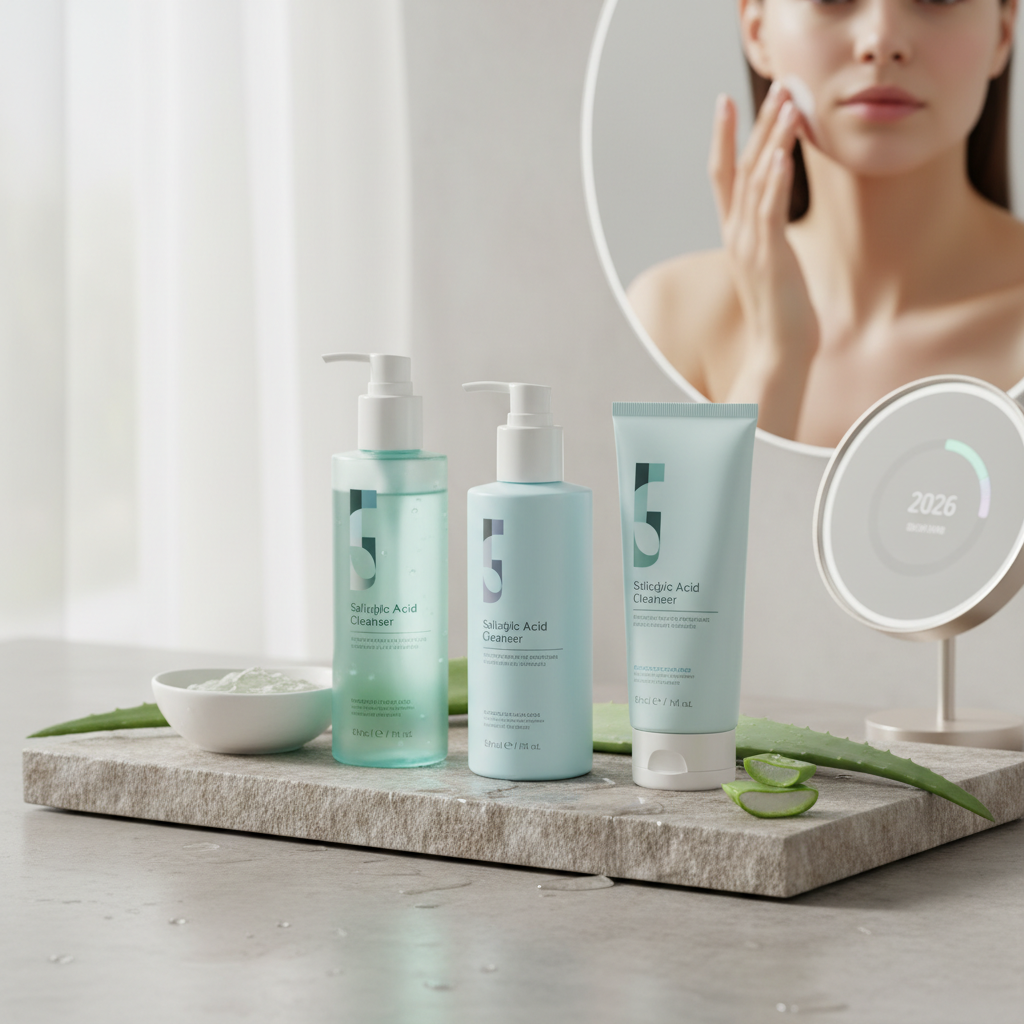
Yes, but the definition of a toner has evolved dramatically. In 2026, toners are no longer harsh, alcohol-laden astringents, but rather sophisticated liquid treatments designed to deliver targeted active ingredients, balance the skin, or provide a foundational layer of hydration, making them a valuable — though not always essential — step in a personalized skincare routine.
Introduction
For years, the word “toner” conjured images of stinging, drying liquids, remnants of a bygone skincare era. But as we navigate 2026, the landscape of skincare has shifted, and with it, the very essence of what a toner is and what it can do. Forget everything you thought you knew; modern toners are here to challenge old myths and potentially transform your complexion.
What Exactly *Is* a Toner in 2026?
The biggest myth to debunk right out of the gate is that all toners are created equal, or that they all strip your skin. Historically, toners were primarily used to “rebalance” the skin’s pH after harsh, alkaline cleansers and to remove residual makeup. These often contained high concentrations of alcohol, leading to dryness, irritation, and a compromised skin barrier. Fast forward to 2026, and the category has undergone a profound metamorphosis.
Today’s toners are sophisticated liquid formulas, often resembling a lightweight serum or an essence. Their primary purpose is no longer just pH balancing (as most modern cleansers are already pH-balanced), but rather to deliver a concentrated dose of active ingredients to address specific skin concerns. Think of them as a “liquid serum” or a “pre-treatment” step, designed to prep the skin, enhance absorption of subsequent products, and provide targeted benefits right after cleansing.
The focus has entirely shifted from stripping to supporting. Modern toners prioritize ingredients that hydrate, soothe, exfoliate gently, or provide antioxidant protection, aligning perfectly with the overarching 2026 trend of skin barrier health and personalized treatment.
Do I Really *Need* a Toner, or Is It Just Marketing Hype?
This is the million-dollar question, and the honest answer is: it depends on your skin’s needs and your current routine. A toner is not a universally mandatory step like cleansing or moisturizing, but it can be a highly beneficial one for many, especially if you have specific skin goals you’re trying to achieve or gaps in your current product lineup.
When a modern toner can be truly valuable:
- Targeted Treatment: If you want to introduce a specific active ingredient (like an AHA for exfoliation or niacinamide for pores) but prefer it in a lighter, more absorbable liquid form than a traditional serum.
- Enhanced Hydration: For dry or dehydrated skin, a hydrating toner can provide an essential first layer of moisture, plumping the skin and preparing it to better absorb subsequent serums and moisturizers.
- Skin Barrier Support: Many 2026-era toners are formulated with ingredients like ceramides or centella asiatica, explicitly chosen to calm irritation and fortify the skin barrier, which is crucial for overall skin health.
- Prepping for Actives: Some toners can gently exfoliate, creating a smoother canvas that allows serums and treatments to penetrate more effectively.
- Efficiency and Layering: For those who love a multi-step routine, a toner can add another layer of beneficial ingredients without feeling heavy or overwhelming. It’s often easier to layer a lightweight toner than multiple thick serums.
Ultimately, whether you “need” a toner comes down to whether it addresses a specific concern or adds a tangible benefit that your other products aren’t already providing. If your skin is happy and healthy with just a cleanser, serum, and moisturizer, then a toner might be an optional enhancement rather than a necessity. However, for those seeking to optimize their routine and tackle specific issues, a well-chosen toner can be a game-changer, endorsed by many dermatologists for its targeted delivery capabilities.
Which Toner Ingredients Are Best for *Your* Skin Concerns?
The true power of modern toners lies in their ingredients. Gone are the days of generic alcohol; today, formulations are packed with scientifically-backed actives. Choosing the right toner means identifying your primary skin concerns and matching them with the appropriate ingredients. Here’s a breakdown by common skin types and issues:
For Oily & Acne-Prone Skin:
- Salicylic Acid (BHA): A beta-hydroxy acid that is oil-soluble, allowing it to penetrate into pores to dissolve sebum and dead skin cells, effectively treating and preventing breakouts. It’s FDA-approved for acne treatment.
- Niacinamide (Vitamin B3): Helps to regulate oil production, minimize the appearance of pores, reduce inflammation, and improve skin barrier function.
- Glycolic Acid (AHA): An alpha-hydroxy acid that exfoliates the surface of the skin, removing dead cells to reveal brighter, smoother skin and prevent clogged pores.
For Dry & Dehydrated Skin:
- Hyaluronic Acid: A powerful humectant that attracts and holds up to 1,000 times its weight in water, providing intense hydration and plumping the skin.
- Glycerin: Another excellent humectant that draws moisture from the air into the skin, keeping it soft and supple.
- Ceramides: Lipid molecules naturally found in the skin barrier that help to retain moisture and protect against environmental aggressors. Essential for skin barrier focus.
- Centella Asiatica (Cica): A soothing botanical extract known for its anti-inflammatory and wound-healing properties, excellent for sensitive or compromised skin.
For Dullness & Uneven Skin Tone:
- Vitamin C (L-Ascorbic Acid or derivatives): A potent antioxidant that brightens skin, reduces hyperpigmentation, and protects against environmental damage.
- AHAs (Glycolic, Lactic, Mandelic Acid): Exfoliate the skin’s surface, promoting cell turnover for a brighter, more even complexion. Lactic acid is gentler than glycolic.
- Niacinamide: Reduces the appearance of dark spots and improves overall skin tone.
For Sensitive Skin:
- Aloe Vera: Known for its soothing and anti-inflammatory properties, ideal for calming irritated skin.
- Allantoin: A gentle, non-irritating ingredient that helps to soothe and protect the skin.
- Oat Extract: Contains anti-inflammatory compounds that can relieve itching and irritation.
- Avoid fragrances, essential oils, and high concentrations of strong exfoliants.
For Mature Skin & Anti-Aging Concerns:
- Peptides: Short chains of amino acids that signal the skin to produce more collagen and elastin, helping to reduce the appearance of fine lines and wrinkles.
- Retinal (Retinaldehyde): A powerful retinoid, one step closer to retinoic acid than retinol, making it more potent but often still gentler than prescription retinoids. It promotes cell turnover and collagen production to improve texture and reduce signs of aging.
- Hyaluronic Acid: Provides essential hydration to plump up fine lines.
- Antioxidants (e.g., Green Tea Extract, Ferulic Acid): Protect the skin from environmental damage and free radicals that contribute to premature aging.
Here’s a comparison table of different toner types and their primary benefits:
| Toner Type | Key Actives | Primary Benefits | Best For Skin Types/Concerns |
|---|---|---|---|
| Exfoliating Toner | AHAs (Glycolic, Lactic), BHAs (Salicylic Acid) | Removes dead skin cells, unclogs pores, brightens complexion, improves texture. | Oily, acne-prone, dull, uneven texture, hyperpigmentation. |
| Hydrating Toner | Hyaluronic Acid, Glycerin, Ceramides, Squalane | Provides immediate moisture, plumps skin, supports skin barrier, preps for serums. | Dry, dehydrated, sensitive, mature skin. |
| Soothing/Calming Toner | Centella Asiatica, Aloe Vera, Allantoin, Oat Extract | Reduces redness and irritation, calms inflammation, strengthens barrier. | Sensitive, reactive, post-procedure, compromised barrier. |
| Brightening Toner | Vitamin C, Niacinamide, Licorice Root Extract, mild AHAs | Fades dark spots, evens skin tone, enhances radiance, antioxidant protection. | Dullness, hyperpigmentation, sun damage. |
| Targeted Treatment Toner | Peptides, Retinal, specific botanical extracts | Addresses specific concerns like fine lines, firmness, or specific sensitivities. | Mature skin, specific texture concerns, advanced anti-aging. |
Toner, Essence, or Serum: What’s the Right Order and Consistency?
The lines between toners, essences, and serums have blurred significantly in 2026, often leading to confusion. While they all deliver active ingredients, their typical consistency and traditional placement in a routine can offer some guidance.
- Toner: Generally the thinnest liquid, applied immediately after cleansing. Its primary role is to prep the skin and deliver a first layer of targeted actives or hydration.
- Essence: Typically slightly thicker than a toner, but still watery. Often used in Asian beauty routines, essences are designed to add another layer of hydration and nourishment, preparing the skin for deeper absorption of subsequent products.
- Serum: Usually the most concentrated formulation, with a slightly thicker, more viscous texture than toners or essences. Serums are designed to deliver potent active ingredients to target specific concerns like wrinkles, hyperpigmentation, or severe dehydration.
Application Order: The general rule of thumb is to apply products from thinnest to thickest consistency. So, after cleansing, you would typically apply your toner, then essence (if using one), followed by serums, then moisturizer, and finally SPF (in the morning). This ensures each product can penetrate effectively without being blocked by a heavier layer.
Integrating a Modern Toner into Your 2026 Skincare Routine
Incorporating a modern toner is straightforward, but a few considerations can optimize its effectiveness and prevent potential irritation, especially when layering with other powerful actives.
- Cleanse First: Always apply toner to freshly cleansed skin. This ensures there are no barriers to absorption.
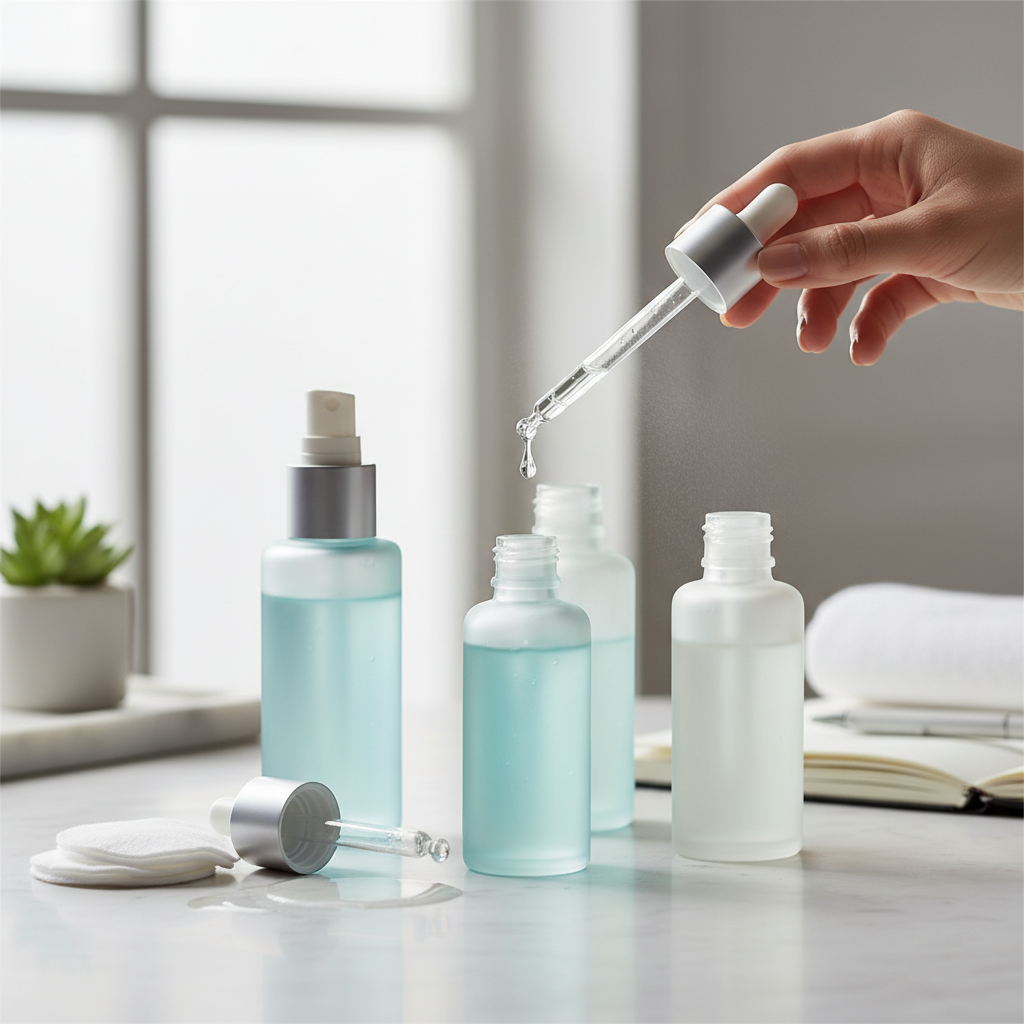
- Application Method: While traditional advice often suggests using a cotton pad, many dermatologists and skincare experts in 2026 recommend applying hydrating or soothing toners directly with clean hands. Pour a few drops into your palm, gently press onto your face, and pat until absorbed. This minimizes product waste and avoids potential irritation from cotton fibers. For exfoliating toners, a cotton pad can ensure even distribution and gentle removal of surface debris.
- Layering with Actives: If your toner contains potent actives (like AHAs, BHAs, or retinal), be mindful of what you apply next. Avoid layering multiple strong exfoliants or retinoids in the same routine, especially if you have sensitive skin, to prevent over-exfoliation or irritation. For example, if you use an AHA toner, you might skip a separate AHA serum that night. Consider alternating active ingredients between morning and evening, or on different days.
- Listen to Your Skin: Even the gentlest toner can cause irritation if your skin barrier is compromised or if you’re overdoing other actives. Start slowly, perhaps using a new toner every other day, and gradually increase frequency as your skin tolerates it.
- Drugstore vs. Prestige: Don’t assume a higher price tag guarantees superior results. Many excellent, effective toners are available at drugstore price points. Focus on the ingredient list, concentration of actives, and formulation rather than brand prestige. The FDA-approved actives like salicylic acid and AHAs are equally effective whether they come from a luxury brand or an accessible one.
- Sun Protection is Key: If your toner includes exfoliating acids (AHAs, BHAs), your skin will be more sensitive to the sun. Daily application of a broad-spectrum mineral SPF 30 or higher is non-negotiable, even on cloudy days. Reapplication science in 2026 emphasizes reapplying every two hours, especially if outdoors.
Frequently Asked Questions
Can I skip toner if I use a serum?
Yes, you can. If your current serum adequately addresses your concerns and your skin feels balanced, a toner might be an optional extra. However, a well-chosen toner can provide an additional layer of targeted treatment or hydration that complements your serum, making it a valuable addition for many.
How often should I use a toner?
It depends on the toner’s ingredients and your skin type. Hydrating or soothing toners can often be used daily, both morning and night. Exfoliating toners (with AHAs/BHAs) should typically start at 2-3 times a week, increasing frequency if your skin tolerates it, to avoid over-exfoliation. Always observe how your skin reacts.
What’s the best way to apply toner?
For hydrating or soothing toners, applying with clean hands by gently pressing the liquid into your skin is often recommended to avoid waste and irritation from cotton pads. For exfoliating toners, a cotton pad can help ensure even distribution and a gentle sweep to remove any remaining impurities.
Are “natural” toners always better?
Not necessarily. The term “natural” is largely unregulated and doesn’t automatically equate to “safer” or “more effective.” Many natural ingredients can be potent allergens or irritants (e.g., certain essential oils). Focus on scientifically-backed active ingredients and well-formulated products, regardless of whether they are marketed as “natural.”
Do toners help with pore size?
While no product can permanently shrink pore size (which is genetically determined), certain toners can *minimize their appearance*. Exfoliating toners with salicylic acid or AHAs can clear out debris and dead skin cells that make pores look larger. Niacinamide toners can also help regulate oil production, which can make pores appear less prominent.
Conclusion
The toner of 2026 is a far cry from its predecessors. It’s a testament to skincare’s evolution – a sophisticated, targeted treatment that can profoundly impact your routine. By understanding your skin’s unique needs and choosing formulations packed with evidence-based ingredients, a modern toner can transition from an optional step to a powerful ally in achieving your healthiest, most radiant complexion. Embrace the new era of toners, and you might just discover the missing link in your skincare journey.