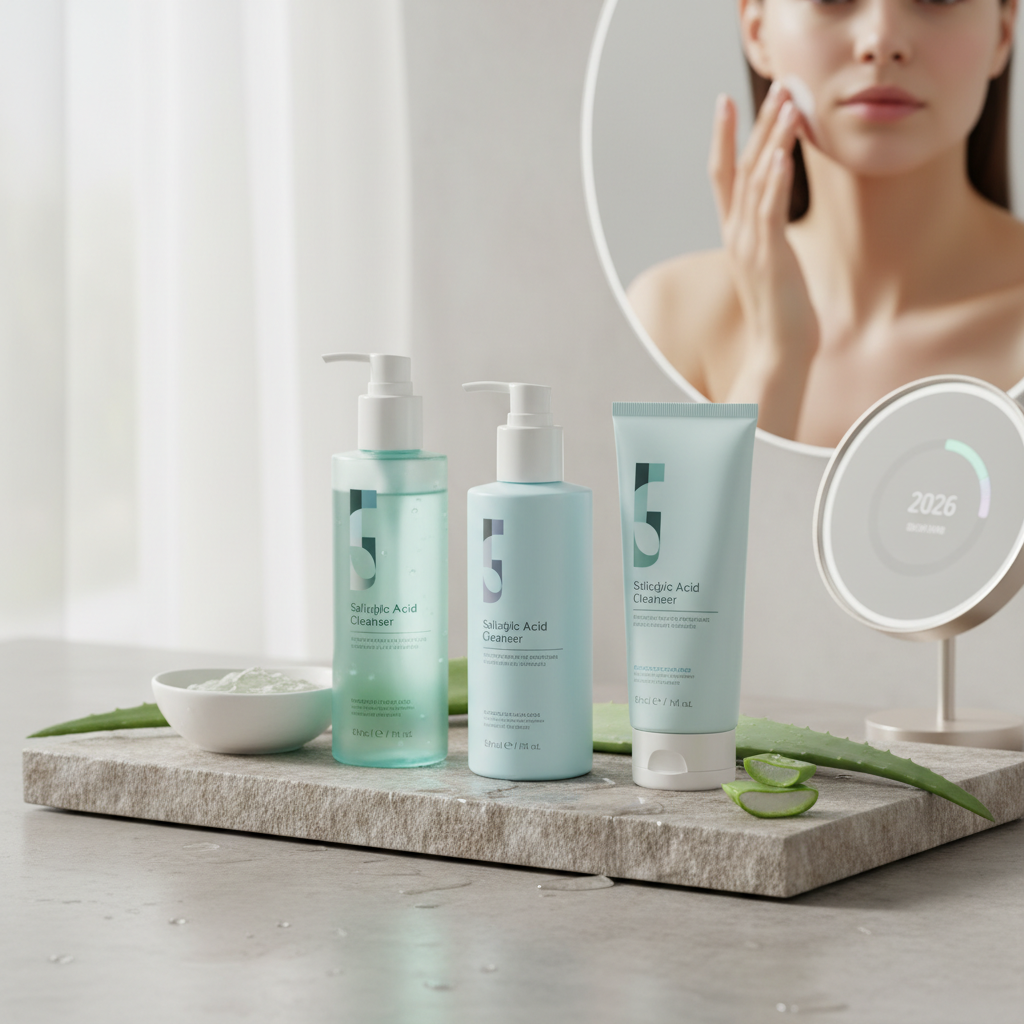
The future of skincare in 2026 is hyper-personalized, intelligently driven by AI and biotech, and deeply rooted in a holistic approach to skin health. Expect routines tailored to your unique biology, innovative ingredients working at a cellular level, and smart devices that bring professional-grade care into your home, all while prioritizing efficacy and sustainability.
Introduction
As we step into 2026, the skincare landscape is undergoing a revolutionary transformation. Gone are the days of one-size-fits-all solutions; the future is bespoke, data-driven, and increasingly sophisticated, promising a new era of truly effective and sustainable skin health.
How will personalization revolutionize my routine by 2026?
The biggest shift in 2026 skincare isn’t just about new products, but about products that are uniquely yours. Personalization is moving beyond simple questionnaires to deeply scientific insights, ensuring every step of your routine is optimized for your individual needs.
Genetic & Microbiome Analysis: Unlocking Your Skin’s Blueprint
By 2026, at-home kits for analyzing your skin’s genetic predispositions and microbiome will be more accessible and sophisticated. This isn’t just a novelty; understanding your genetic markers can predict sensitivities, collagen breakdown rates, or antioxidant needs, while mapping your skin’s unique bacterial ecosystem can guide solutions for acne, dryness, or inflammation. This data will inform highly targeted ingredient selections, moving beyond general skin types to truly specific biological profiles.
AI-Driven Product Curation: Your Smart Skincare Concierge
Artificial intelligence will play a pivotal role in translating complex biological data into actionable product recommendations. Imagine an AI learning platform that integrates your genetic analysis, microbiome data, environmental factors, lifestyle, and even your current product usage to continuously refine a personalized regimen. This isn’t just about suggesting products; it’s about predicting how your skin will respond and adapting your routine in real-time, significantly reducing trial-and-error.
At-Home Formulation & Customization: The Chemist in Your Bathroom
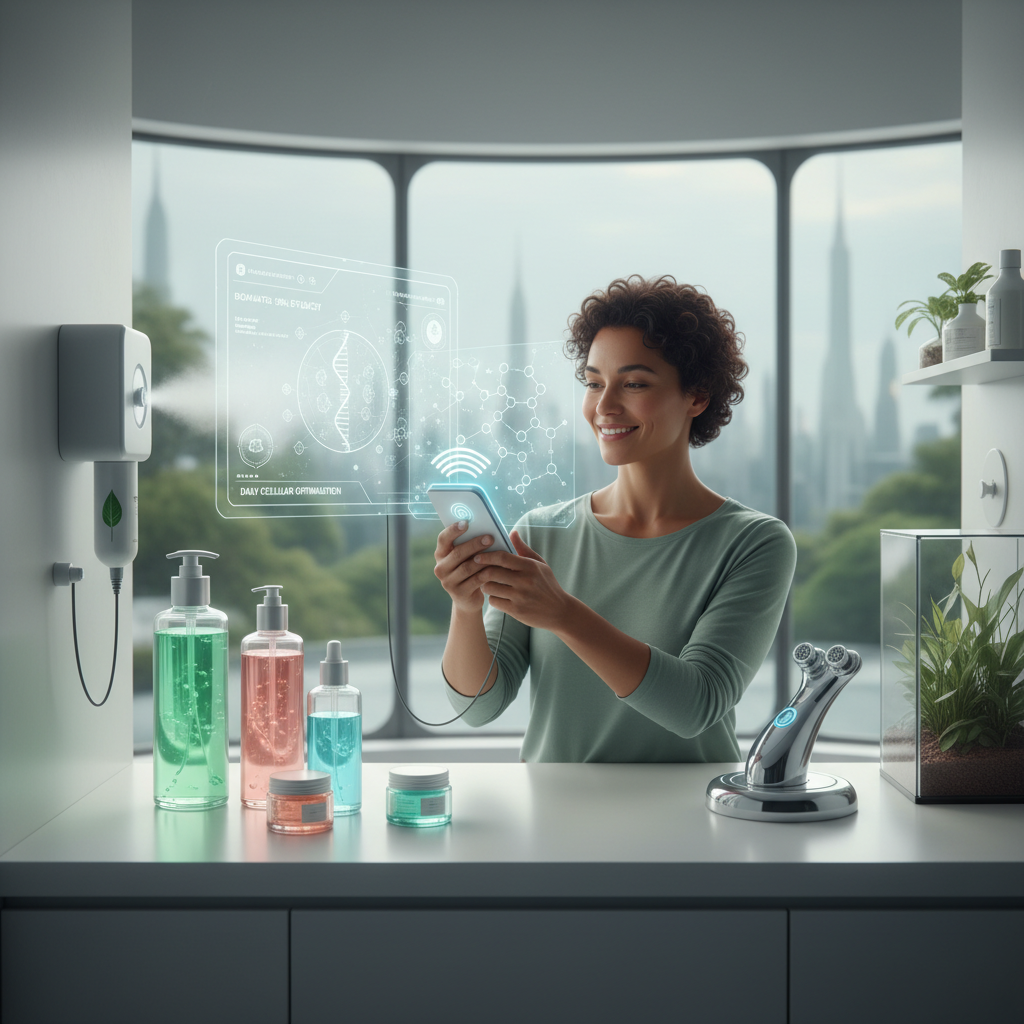
While still emerging, 2026 will see advanced smart devices that allow for limited at-home customization. Think of cartridges filled with highly concentrated actives that a device dispenses and mixes based on your daily skin analysis or AI recommendations. This allows for fresh, potent formulations precisely tailored to your skin’s needs on any given day, whether it’s an extra boost of Vitamin C after sun exposure or a soothing blend of ceramides for barrier repair.
What cutting-edge ingredients should I look for in 2026?
The ingredient landscape is evolving rapidly, with a strong emphasis on biotechnology, enhanced delivery, and a deeper understanding of cellular mechanisms. Expect to see familiar actives in more potent forms, alongside truly novel compounds.
Here are some of the key players and their roles:
- Retinaldehyde (Retinal): A powerful vitamin A derivative, retinal is gaining prominence over traditional retinol due to its closer proximity to retinoic acid in the conversion pathway, meaning faster, more potent anti-aging results with potentially less irritation. It encourages cell turnover and boosts collagen production.
- Niacinamide (Vitamin B3): A true multitasker, niacinamide strengthens the skin barrier, reduces inflammation, minimizes pore appearance, regulates oil production, and improves tone. It’s a cornerstone for resilient, balanced skin.
- Hyaluronic Acid: Still a hydration hero, but 2026 will see more formulations with varying molecular weights, allowing it to penetrate different layers of the skin for multi-depth hydration and plumping. It draws moisture into the skin.
- Vitamin C (Ascorbic Acid and Derivatives): As a potent antioxidant, Vitamin C brightens, protects against environmental damage, and stimulates collagen synthesis. Innovations focus on stability and enhanced penetration through advanced encapsulation and novel derivative forms.
- Peptides: These short chains of amino acids act as messengers, signaling skin cells to perform specific functions, such as increasing collagen and elastin production (anti-aging), reducing inflammation, or promoting wound healing. Expect more sophisticated peptide blends targeting specific concerns.
- Ceramides: Essential lipids that make up a significant portion of the skin barrier, ceramides are crucial for locking in moisture and protecting against environmental aggressors. Formulations in 2026 will feature more comprehensive ceramide blends to optimally replenish the skin’s natural barrier.
- Mineral SPF (Zinc Oxide & Titanium Dioxide): The gold standard for broad-spectrum sun protection, mineral filters are evolving with more elegant, sheerer formulations that blend seamlessly without a white cast, making daily reapplication more appealing. They create a physical barrier reflecting UV rays.
- Growth Factors & Exosomes: Derived from biotechnology, these complex signaling molecules encourage cellular repair, regeneration, and communication. While still premium, their presence in advanced serums will increase, aiming to rejuvenate skin at a deeper, more fundamental level.
- Adaptive Botanicals: Ingredients sourced from plants that thrive in extreme conditions, offering unique protective and resilience-boosting properties to the skin. Think desert plants or deep-sea algae.
Are at-home devices finally worth the investment in 2026?
Absolutely. The gap between professional aesthetic treatments and at-home devices has significantly narrowed. By 2026, dermal-grade technology, once exclusive to clinics, is becoming more accessible, effective, and user-friendly for home use.
Advanced LED Therapy: Targeted Light for Skin Concerns
LED masks and handheld devices are now more powerful, offering a wider spectrum of light (red for collagen, blue for acne, green for hyperpigmentation) with clinical-grade intensity. Integration with smart apps allows for personalized treatment protocols based on your skin’s daily needs.
Microcurrent & Radiofrequency: Sculpting and Tightening
Next-generation microcurrent devices offer improved precision in muscle stimulation for lifting and contouring, while at-home radiofrequency devices provide gentle heat to stimulate collagen production and tighten skin over time. These tools are becoming smarter, with sensors that guide proper technique for optimal results.
Smart Skincare Tools: Beyond Cleansing
From sonic cleansing brushes with integrated skin analysis capabilities to smart patches that monitor hydration and deliver actives, devices are becoming integral to a holistic skincare routine. Many are designed to enhance product penetration, ensuring your expensive serums work harder.
Here’s a comparison of some popular at-home devices in 2026:
| Device Type | Primary Benefit | Technology/Mechanism | Ideal For |
|---|---|---|---|
| Advanced LED Mask | Collagen stimulation, acne reduction, calming inflammation | Specific wavelengths of light penetrate skin to stimulate cellular processes. | Anti-aging, acne-prone, sensitive skin, overall skin health. |
| Smart Microcurrent Device | Facial lifting, toning, contouring, improved muscle memory | Low-level electrical currents stimulate facial muscles and cellular activity. | Sagging skin, loss of firmness, preventive anti-aging. |
| At-Home Radiofrequency (RF) Tool | Skin tightening, collagen remodeling, fine line reduction | Controlled heat energy penetrates deep into the dermis to stimulate collagen production. | Mature skin, fine lines, wrinkles, mild laxity. |
| AI-Powered Skin Analyzer/Dispenser | Hyper-personalized product formulation, real-time skin assessment | Sensors analyze skin moisture, oil, elasticity; dispenses custom serum blends. | Anyone seeking ultimate personalization and data-driven routines. |
How will my daily skincare routine change with these innovations?
Your 2026 skincare routine will be more streamlined, effective, and adaptive. Expect a shift towards quality over quantity, with an emphasis on foundational skin health and intelligent product selection.
- Data-Driven Cleansing: Cleansers might be selected based on daily environmental exposure or microbiome analysis, ensuring optimal skin pH and barrier integrity.
- Targeted Treatment Layers: Serums will be highly concentrated and often layered, with AI guiding the selection of specific peptides, antioxidants, or growth factors based on your skin’s real-time needs.
- Smart Moisturization: Moisturizers will be formulated with adaptive ingredients that respond to environmental humidity or skin’s hydration levels, ensuring consistent barrier function.
- Optimized Sun Protection & Reapplication: Mineral SPFs will be even more elegant and effective. Expect smart patches or apps that remind you to reapply and even assess your current UV protection level.
- Device Integration: At-home devices will be seamlessly integrated into routines, perhaps after cleansing or before serums, with guided sessions from your AI assistant.
- “Skin Fasting” & Barrier Focus: Periods of intentional simplicity, or “skin fasting,” will be recognized as beneficial for allowing the skin’s natural repair mechanisms to thrive, emphasizing the importance of a healthy skin barrier over constant product application.
- Holistic Wellness Integration: Skincare will be viewed as part of a broader wellness strategy, with recommendations integrating diet, stress management, sleep quality, and even specific supplements to support skin health from within.
What’s the deal with sustainability and ethical sourcing in 2026 skincare?
Sustainability is no longer a niche concern; it’s a core expectation in 2026. Consumers are demanding transparency, ethical practices, and a reduced environmental footprint from their skincare brands.
Ingredient Traceability and Upcycling
Brands will provide detailed information about ingredient origins, ensuring ethical sourcing and sustainable harvesting. Upcycling, where byproducts from other industries (like fruit peels from juice production) are transformed into valuable skincare actives, will become a significant trend, minimizing waste and maximizing resource efficiency.
Waterless Formulations & Concentrates
Water scarcity is a growing global concern. Skincare will increasingly feature waterless or concentrated formulas, reducing product volume, packaging, and shipping weight. This also means more potent products, as water is often a filler ingredient.
Refillable & Biodegradable Packaging
The beauty industry’s plastic problem is being aggressively tackled. Refillable packaging systems for popular products will be standard, alongside innovative biodegradable or compostable materials for primary packaging. Expect creative solutions to minimize single-use plastics.
Will drugstore options keep up with prestige brands in 2026?
Yes, absolutely. The line between drugstore and prestige skincare continues to blur in 2026, especially concerning effective, FDA-approved active ingredients and strong formulations.
Drugstore brands have become incredibly adept at incorporating dermatologist-recommended actives like retinol, niacinamide, hyaluronic acid, salicylic acid, and mineral SPF into stable, effective, and affordable formulations. While prestige brands may invest more in proprietary complexes, luxurious textures, or cutting-edge, expensive biotech ingredients, the core efficacy for many common concerns (acne, hydration, sun protection, basic anti-aging) is often comparable at the drugstore level.
Dermatologist consensus often emphasizes the importance of consistent use of proven ingredients, regardless of price point. For US consumers, accessibility to effective skincare is paramount, and drugstore brands are meeting this demand with increasingly sophisticated offerings. The key difference often lies in the sensory experience, packaging, and the exclusivity of certain very new or complex ingredients, rather than fundamental efficacy for many common skin issues.
Frequently Asked Questions
What’s the single best active ingredient for anti-aging in 2026?
While “best” is subjective and depends on individual skin, Retinaldehyde (Retinal) continues to be a standout due to its potent ability to accelerate cell turnover and boost collagen with less irritation than prescription retinoids. Paired with a comprehensive peptide complex, it offers robust anti-aging benefits for most skin types.
How do I choose the right products if I have sensitive skin in 2026?
For sensitive skin, focus on barrier-supporting ingredients like Ceramides, Niacinamide, and gentle humectants. Avoid strong fragrances, essential oils, and excessive exfoliation. Patch testing new products on a small area of skin for several days before full application remains crucial. Personalized AI analysis can also help identify potential irritants unique to your skin.
Is professional treatment still necessary with all these at-home innovations?
Yes, professional treatments remain a valuable complement to at-home routines. Dermatologists and estheticians offer higher concentrations of active ingredients, advanced device capabilities (like deeper microneedling or medical-grade lasers), and expert diagnosis for complex conditions. At-home innovations empower you to maintain and enhance results between professional visits, but don’t fully replace them.
What are the most effective treatments for adult acne in 2026?
Effective adult acne treatment in 2026 often involves a multi-pronged approach: personalized microbiome analysis to identify specific bacterial imbalances, topical Salicylic Acid or AHAs for exfoliation, Niacinamide for inflammation and barrier support, and potentially a gentle Retinal for cell turnover. Oral prescriptions or professional treatments like specific lasers might also be recommended by a dermatologist for persistent cases.
How important is sunscreen reapplication, and are there new ways to ensure it?
Sunscreen reapplication every two hours (or more frequently if swimming or sweating) remains critically important for effective UV protection. In 2026, innovations include clearer, more cosmetically elegant mineral SPFs that make reapplication easier, as well as smart patches or wearable tech that can alert you when your sun protection is waning, ensuring consistent defense against sun damage.
Conclusion
The future of skincare in 2026 is an exciting frontier of personalization, scientific innovation, and holistic wellness. By embracing data-driven insights, advanced biotech ingredients, and smart at-home devices, we can look forward to more effective, sustainable, and tailored routines that truly empower us to achieve our healthiest, most radiant skin yet.