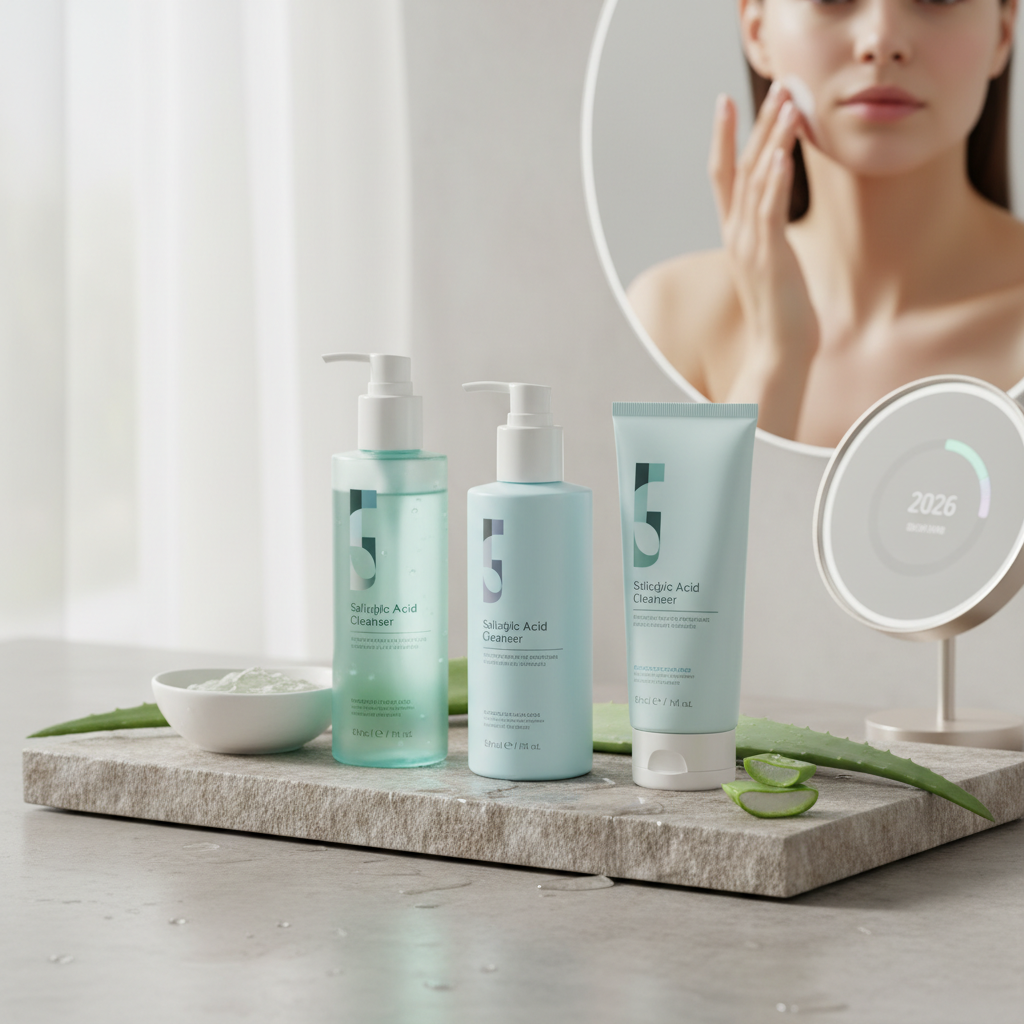
For women in the US battling oily, acne-prone skin in 2026, the best salicylic acid cleansers effectively penetrate oil to clear pores, reduce breakouts, and improve skin texture without stripping the skin’s vital barrier. Top formulations now balance potent BHA with hydrating and soothing ingredients, ensuring efficacy alongside skin health.
Introduction
Navigating the vast landscape of skincare can be daunting, especially when persistent oiliness and acne are your primary concerns. In 2026, salicylic acid remains a gold standard ingredient, lauded by dermatologists and embraced by millions for its unparalleled ability to tackle these issues head-on. This article will guide you through understanding salicylic acid, identifying the best cleansers, and integrating them into a comprehensive routine tailored for your skin.
What Makes Salicylic Acid the Go-To for Oily, Acne-Prone Skin?
Salicylic acid, a beta-hydroxy acid (BHA), stands apart from its AHA cousins (like glycolic or lactic acid) due to its unique oil-soluble nature. This crucial characteristic allows it to penetrate deep into the lipid-rich environment of your pores, dissolving sebum, dead skin cells, and other debris that contribute to blockages and subsequent breakouts. Unlike water-soluble AHAs that primarily exfoliate the skin’s surface, salicylic acid works from within the pore, making it exceptionally effective for blackheads, whiteheads, and general congestion.
Its mechanism of action involves loosening the bonds between dead skin cells, promoting their shedding, and reducing inflammation. For oily skin, this means less shine, fewer clogged pores, and a reduced likelihood of acne formation. For acne-prone skin, its anti-inflammatory properties help calm existing breakouts and prevent new ones from forming, leading to a clearer, smoother complexion. In 2026, formulations are increasingly sophisticated, often combining salicylic acid with complementary ingredients to maximize benefits while minimizing potential irritation, a testament to the ongoing focus on skin barrier health.
How Do I Choose the Right Salicylic Acid Cleanser for My Skin in 2026?
Selecting the ideal salicylic acid cleanser involves more than just picking up the first bottle you see. Several factors should influence your decision to ensure it aligns with your specific skin needs and concerns.
Understanding Salicylic Acid Concentration
In the US, over-the-counter salicylic acid cleansers typically range from 0.5% to 2%. For most individuals with oily and acne-prone skin, a 2% concentration is highly effective. If you have very sensitive skin or are new to BHAs, starting with a 0.5% or 1% formulation can help your skin adapt, gradually increasing the concentration if tolerated. Always check the active ingredient percentage on the product label, as mandated by the FDA for active ingredients.
Considering Your Skin’s Sensitivity and Barrier Health
Even oily, acne-prone skin can be sensitive, and a compromised skin barrier can exacerbate acne. In 2026, there’s a significant emphasis on balancing efficacy with gentle care. Look for cleansers that incorporate soothing and hydrating ingredients like ceramides, hyaluronic acid, or niacinamide to counteract any potential dryness or irritation from the salicylic acid. Avoid formulations with harsh sulfates or excessive fragrance if your skin tends to react negatively.
Drugstore vs. Prestige Brands: What’s the Difference?
Both drugstore and prestige brands offer excellent salicylic acid cleansers. Drugstore options from brands like CeraVe, La Roche-Posay, and Neutrogena are often dermatologist-recommended and provide effective formulations at accessible price points. Prestige brands may offer more elegant textures, unique ingredient combinations, or specialized delivery systems, but their higher cost doesn’t always equate to superior efficacy. Many top dermatologists emphasize that consistent use of a well-formulated, affordable product often yields better results than sporadic use of an expensive one.
Which Are the Top Salicylic Acid Cleansers Recommended by Dermatologists in 2026?
While specific product recommendations can vary, dermatologists consistently point towards cleansers that are well-formulated, gentle yet effective, and free from common irritants. Here are categories of cleansers that stand out in 2026:
Gentle, Hydrating BHA Cleansers
These cleansers combine salicylic acid with ingredients that support the skin barrier. They are ideal for daily use, especially for those who experience some dryness or sensitivity alongside their oiliness and acne. Look for formulations containing ceramides (lipid molecules that help maintain the skin barrier), hyaluronic acid (a powerful humectant that draws moisture into the skin), or niacinamide (Vitamin B3, known for its soothing, barrier-strengthening, and oil-regulating properties).
Targeted Treatment BHA Cleansers
For individuals with more severe or persistent acne, a cleanser with a 2% salicylic acid concentration that focuses primarily on exfoliation and pore clearing might be more suitable. These often have fewer additional humectants but might include ingredients like zinc PCA to further regulate oil production. They are designed for maximum impact on breakouts and congestion.
Formulations for Combination or Mature, Acne-Prone Skin
Even mature skin can experience acne, often termed “adult acne.” Cleansers for this demographic might blend salicylic acid with anti-aging actives like peptides (amino acids that support collagen production) or gentle AHAs (alpha hydroxy acids like lactic acid for surface exfoliation and hydration). For combination skin, a cleanser that effectively treats oily zones without overly drying normal or dry areas is key.
Comparison of Salicylic Acid Cleanser Types
| Cleanser Type | Primary Benefit | Key Complementary Actives | Ideal Skin Profile | Typical Usage Frequency |
|---|---|---|---|---|
| Barrier-Support BHA Cleanser | Pore clearing, breakout prevention, skin barrier maintenance | Ceramides, Hyaluronic Acid, Niacinamide | Oily, acne-prone, sensitive, or combination skin | Daily (once or twice) |
| Deep Pore Purifying BHA Cleanser | Intensive pore unclogging, significant breakout reduction | Zinc PCA, Green Tea Extract | Very oily, persistently acne-prone skin | Daily (once, possibly alternating) |
| Age-Defying BHA Cleanser | Acne treatment, gentle exfoliation, anti-aging support | Peptides, Lactic Acid, Vitamin C (stable forms) | Mature, acne-prone skin | Daily (once) |
| Exfoliating BHA & AHA Blend Cleanser | Surface & deep exfoliation, texture refinement | Glycolic Acid, Lactic Acid | Oily, acne-prone with rough texture, non-sensitive | 2-3 times per week |
Beyond Salicylic Acid: What Other Actives Should I Look for in a Cleanser?
While salicylic acid is stellar, its efficacy can be amplified by other complementary ingredients. Knowing what to look for can help you choose a cleanser that provides comprehensive benefits:
- Niacinamide: Also known as Vitamin B3, niacinamide helps to visibly minimize enlarged pores, tighten lax pores, improve uneven skin tone, soften fine lines and wrinkles, diminish dullness, and strengthen a weakened surface. It’s excellent for oil regulation and calming inflammation.
- Ceramides: These are lipids that are naturally found in the skin and play a crucial role in maintaining the skin barrier. Including ceramides in a cleanser helps to prevent the skin from feeling stripped or dry, especially important when using active exfoliants.
- Hyaluronic Acid: A powerful humectant, hyaluronic acid attracts and holds moisture, providing essential hydration without adding oiliness. It helps to keep the skin plump and prevents the dehydration that can sometimes accompany acne treatments.
- Tea Tree Oil (or Extract): Known for its antimicrobial and anti-inflammatory properties, tea tree oil can complement salicylic acid in fighting acne-causing bacteria and reducing redness. Look for it in smaller concentrations to avoid irritation.
- Green Tea Extract: A potent antioxidant, green tea extract helps protect the skin from environmental damage and has anti-inflammatory properties that can soothe irritated skin and reduce redness associated with acne.
- Zinc PCA: This ingredient is particularly effective for oily and acne-prone skin, as it helps regulate sebum production and has antibacterial properties, contributing to clearer pores and a less oily complexion.
- AHAs (Alpha Hydroxy Acids): While salicylic acid (BHA) is oil-soluble, AHAs like glycolic acid or lactic acid are water-soluble and excel at exfoliating the skin’s surface. In cleansers, AHAs can help improve skin texture and tone, often used in conjunction with SA for a broader exfoliating effect, particularly for those concerned with post-acne marks.
How Do Salicylic Acid Cleansers Fit into a 2026 Skincare Routine?
Integrating a salicylic acid cleanser effectively into your routine is crucial for optimal results and maintaining skin health. The focus in 2026 is on smart layering and respecting the skin barrier.
Morning Routine
Many dermatologists recommend using a salicylic acid cleanser once a day, typically in the evening. However, if your skin is particularly oily or acne-prone and tolerates it well, a gentle salicylic acid cleanser can be used in the morning too. Follow with a lightweight, oil-free moisturizer containing hydrating ingredients like hyaluronic acid, and always, always apply a broad-spectrum mineral SPF 30 or higher. Sunscreen reapplication science in 2026 emphasizes generous application and reapplication every two hours, especially when using exfoliating acids that can increase sun sensitivity.
Evening Routine
This is often the prime time for your salicylic acid cleanser. After cleansing, you can follow with targeted treatments. If you use other actives like retinol or retinal (a potent vitamin A derivative gaining traction over traditional retinol for its efficacy and gentler profile), apply them after your cleanser and before your moisturizer. Ensure your moisturizer is non-comedogenic and supportive of your skin barrier, perhaps containing ceramides or peptides. If you’re using a prescription topical, consult your dermatologist on the best layering order.
Pairing with Other Actives
While salicylic acid cleansers are generally safe to use daily, be mindful when combining them with other strong actives.
- Retinol/Retinal: If using a leave-on retinol or retinal product, consider using your salicylic acid cleanser in the morning and retinol at night, or alternate nights.
- Vitamin C: A stable Vitamin C serum can be used in the morning after cleansing and before SPF, complementing SA’s work by providing antioxidant protection and brightening.
- AHAs: If your SA cleanser also contains AHAs, limit additional AHA exfoliation in your routine to avoid over-exfoliation.
- Benzoyl Peroxide: Using a salicylic acid cleanser with a benzoyl peroxide leave-on treatment can be very effective for acne, but monitor for dryness and irritation. Some prefer to alternate days or use BP as a spot treatment.
The key is to listen to your skin. If you experience excessive dryness, redness, or irritation, reduce the frequency of your salicylic acid cleanser or switch to a gentler formulation. Prioritizing skin barrier health is paramount in 2026 skincare.
Tips for Maximizing Your Salicylic Acid Cleanser’s Benefits
- Be Consistent: Salicylic acid works best with regular use. Stick to your routine for several weeks to see significant improvements.
- Don’t Over-Wash: Cleansing twice a day is usually sufficient. Over-washing can strip your skin and trigger more oil production.
- Massage Gently: Apply the cleanser to damp skin and gently massage for 30-60 seconds to allow the salicylic acid to penetrate.
- Rinse Thoroughly: Ensure all traces of the cleanser are removed to prevent residue that could irritate your skin.
- Follow with Hydration: Always apply a non-comedogenic moisturizer immediately after cleansing to replenish moisture and support the skin barrier.
- Patch Test New Products: Especially if you have sensitive skin, test any new salicylic acid cleanser on a small area of your face before full application.
- Monitor Your Skin: Pay attention to how your skin reacts. If you notice excessive dryness, flaking, or irritation, reduce frequency or consult a dermatologist.
Frequently Asked Questions
Can I use a salicylic acid cleanser every day?
For most individuals with oily, acne-prone skin, a salicylic acid cleanser can be used daily, sometimes even twice a day, especially if formulated with hydrating ingredients. However, if you experience dryness, redness, or irritation, reduce usage to once a day or every other day. Always monitor your skin’s response.
Does salicylic acid make your skin purge?
Yes, it’s possible for salicylic acid to cause an initial “purging” period. As it works to clear out clogged pores, it can bring underlying congestion to the surface, leading to a temporary increase in breakouts. This typically lasts for a few weeks and is a sign the product is working. If breakouts persist beyond 4-6 weeks or worsen significantly, consult a dermatologist.
Is a 2% salicylic acid cleanser too strong?
For many with moderate to severe oily and acne-prone skin, 2% salicylic acid is the optimal and most effective over-the-counter concentration. However, if you have sensitive skin or are new to BHAs, starting with a lower concentration (0.5% or 1%) and gradually increasing can help your skin acclimate and minimize irritation.
Can I use salicylic acid if I’m pregnant or breastfeeding?
While topical salicylic acid is generally considered safe in small concentrations during pregnancy and breastfeeding, it’s crucial to consult with your doctor or dermatologist. They can provide personalized advice based on your specific health situation and the product’s formulation.
How long does it take for a salicylic acid cleanser to work?
You may start to notice improvements in oiliness and skin texture within a few days to a couple of weeks. For significant reduction in blackheads, whiteheads, and active breakouts, consistent use for 4-6 weeks is often required. Patience and consistency are key.
Conclusion
In 2026, salicylic acid cleansers remain an indispensable tool in the fight against oily and acne-prone skin. By understanding how this powerful BHA works, choosing formulations that respect your skin barrier, and integrating them thoughtfully into your routine alongside complementary actives, you can achieve a clearer, healthier, and more balanced complexion. Remember to prioritize consistency, hydration, and sun protection, and always listen to your skin’s unique needs.