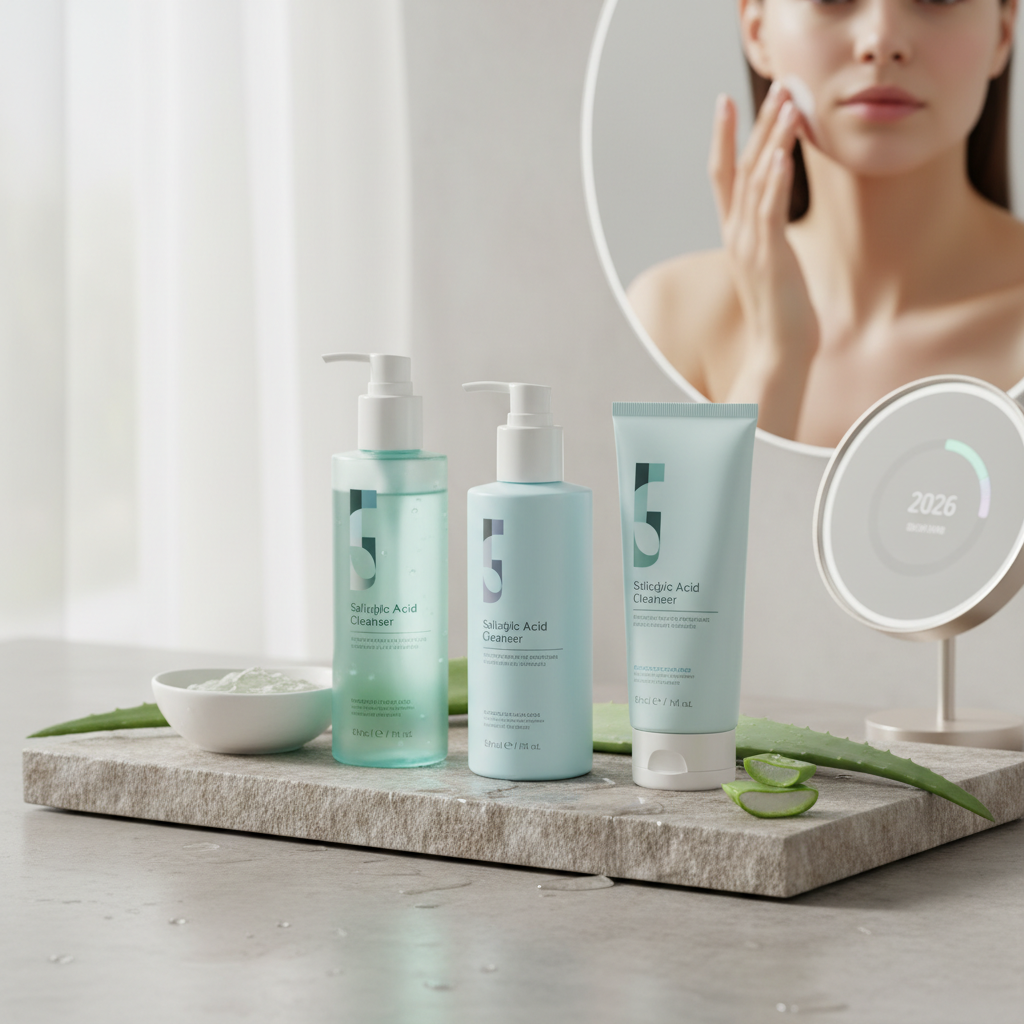
Reducing oiliness and minimizing the appearance of pores for clearer skin involves a consistent, multi-pronged approach: gently cleansing, incorporating targeted active ingredients like salicylic acid, niacinamide, and retinoids, ensuring adequate hydration to balance sebum production, and diligent sun protection. Patience and consistency are paramount, as visible improvements take time as your skin adapts and renews.
Introduction
The quest for clear, smooth skin often leads us to confront two common concerns: persistent oiliness and the seemingly endless battle against visible pores. If you’re a woman in the United States navigating the vast world of skincare in 2026, you’re likely seeking real solutions, not just fleeting trends. Understanding the science behind these issues and implementing an evidence-informed routine is your clearest path to achieving the complexion you desire.
Why Do My Pores Look So Big, and Why Is My Skin So Oily?
It’s a question millions of us type into search engines: “Why are my pores so visible?” and “Why is my skin so oily?” The answers lie in a combination of genetics, biology, and environmental factors.
Understanding Sebum Production
Oiliness stems from the sebaceous glands, which produce sebum, a natural oil that lubricates and protects our skin. However, an overproduction of sebum can lead to a greasy complexion, especially in the T-zone. This excess oil can mix with dead skin cells and debris, clogging pores and making them appear larger. Factors influencing sebum production include:
- Genetics: If your parents have oily skin, chances are you might too.
- Hormones: Androgens, the male hormones present in both men and women, stimulate sebum production. Fluctuations during puberty, menstruation, pregnancy, or stress can all trigger increased oiliness.
- Climate: Humid environments can exacerbate oil production.
- Product Choices: Using harsh cleansers that strip the skin can paradoxically signal the skin to produce more oil to compensate.
The Truth About Pore Size
Pores are essential for skin health, allowing sebum and sweat to reach the surface. Genetically, your pore size is largely fixed, meaning you can’t literally “shrink” them. However, you absolutely can minimize their appearance. Pores become more noticeable when they’re:
- Clogged: Accumulation of sebum, dead skin cells, and makeup can stretch the pore walls, making them look larger.
- Lacking Support: As we age, collagen and elastin around the pores diminish, leading to a loss of elasticity that can make pores appear more open and elongated. Sun damage significantly accelerates this breakdown.
- Inflamed: Acne and irritation can temporarily enlarge pores.
Which Ingredients Actually Help Control Oil and Visibly Refine Pores?
Navigating the ingredient lists on skincare products can feel overwhelming. Here’s a breakdown of the key actives that dermatologists and skincare experts consistently recommend for managing oiliness and minimizing pore appearance, focusing on FDA-approved actives where applicable and common consensus.
Topical Retinoids (Retinol, Retinal, Tretinoin)
Often considered the gold standard in anti-aging, retinoids are also powerful allies against oiliness and enlarged pores. They work by increasing cell turnover, preventing dead skin cells from accumulating and clogging pores. Over time, they also stimulate collagen production, which helps to tighten the skin around pores, making them appear smaller. Retinal (retinaldehyde) is a newer, potent form that converts to retinoic acid in one step, making it generally faster-acting than retinol with potentially less irritation for some.
Salicylic Acid (BHA)
This oil-soluble beta-hydroxy acid is a superstar for oily and acne-prone skin. Salicylic acid penetrates deep into the pores, dissolving sebum and dead skin cells that cause blockages. Its exfoliating action helps to clear out existing clogs and prevent new ones, making pores appear less noticeable and reducing blackheads.
Niacinamide (Vitamin B3)
A versatile powerhouse, niacinamide offers numerous benefits. It helps to regulate sebum production, which can visibly reduce shine. It also strengthens the skin barrier, improves skin elasticity, and has anti-inflammatory properties that can calm redness and irritation, all contributing to a more even and refined complexion.
AHAs (Glycolic, Lactic Acid)
Alpha-hydroxy acids are water-soluble exfoliants that work on the skin’s surface. Glycolic acid, derived from sugar cane, is the smallest AHA and can penetrate effectively to loosen dead skin cells, improving texture and brightness. Lactic acid, from milk, is gentler and also provides hydration. By removing the dull, outer layer of skin, AHAs can make pores appear less prominent and improve overall skin clarity.
Clay and Charcoal
Found in masks and cleansers, these ingredients are excellent for absorbing excess oil and drawing out impurities from pores. Bentonite clay, kaolin clay, and activated charcoal act like magnets, temporarily de-clogging pores and leaving the skin feeling refreshed and less greasy.
Antioxidants (Vitamin C)
Vitamin C (ascorbic acid) is a potent antioxidant that protects skin from environmental damage, which can contribute to collagen breakdown and enlarged pores. It also brightens the skin and can help improve overall skin tone, making pores less noticeable due to improved clarity.
Hydrators (Hyaluronic Acid, Ceramides)
It might seem counterintuitive to hydrate oily skin, but proper hydration is crucial. When skin is dehydrated, it can overcompensate by producing more oil. Hyaluronic acid draws moisture into the skin, plumping it up without adding greasiness. Ceramides are lipids that help maintain a healthy skin barrier, preventing moisture loss and protecting against irritants that could trigger oil production.
What’s the Best Daily Skincare Routine for Oily, Pore-Prone Skin?
A consistent, gentle, and targeted routine is essential. Remember, “dermal-grade” doesn’t always mean expensive; effective ingredients are available at all price points, from trusted drugstore brands to prestige lines. The focus in 2026 is often on balancing efficacy with skin barrier health.
Morning Routine
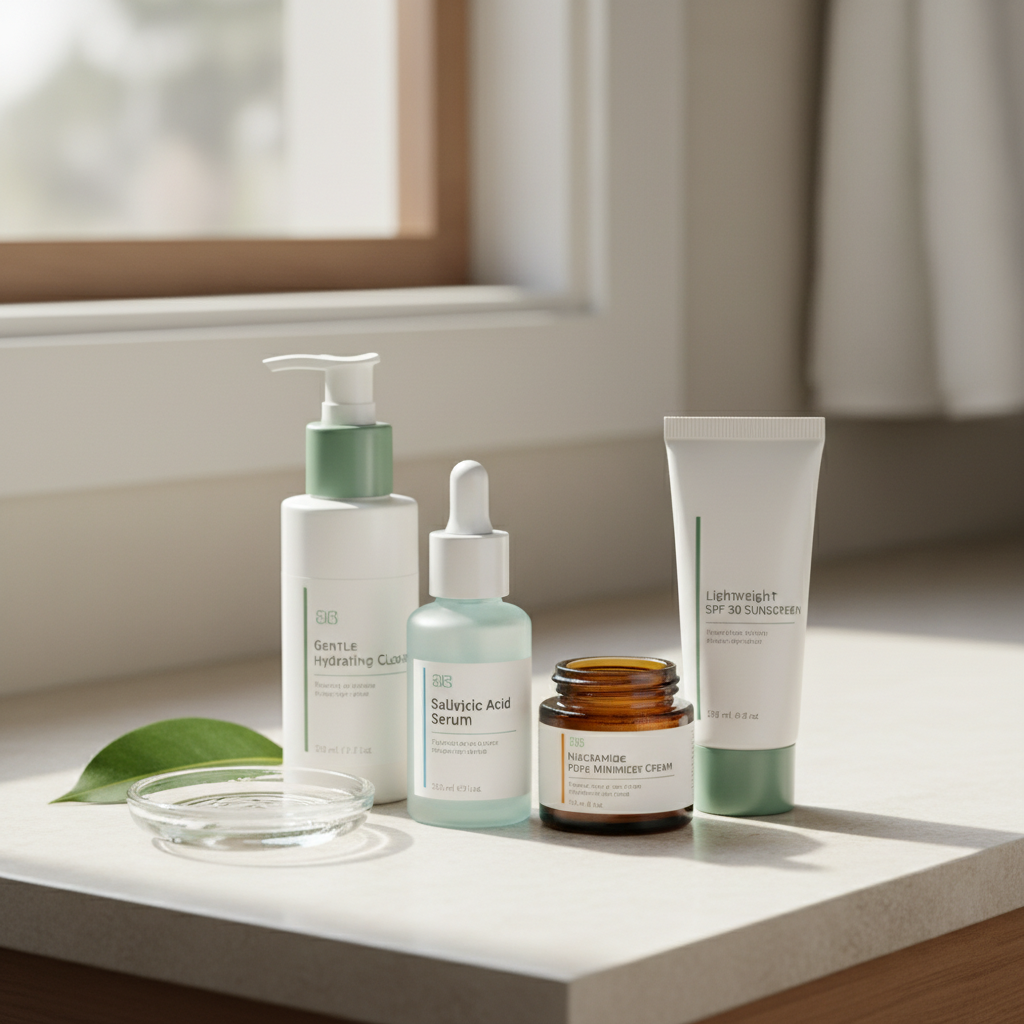
- Gentle Cleanser: Start with a mild, sulfate-free cleanser to remove overnight oil and impurities without stripping your skin. Look for formulations with salicylic acid if you need an extra boost.
- Antioxidant Serum: Apply a Vitamin C serum to protect against environmental damage and brighten your complexion.
- Lightweight Hydrator: Even oily skin needs moisture. Choose an oil-free, non-comedogenic gel or fluid moisturizer with hyaluronic acid or ceramides.
- Mineral SPF: This is non-negotiable. Use a broad-spectrum mineral sunscreen (zinc oxide and/or titanium dioxide) with at least SPF 30. Sun damage breaks down collagen, making pores appear larger. Reapplication throughout the day, especially if you’re outdoors, is key—modern formulations make this easier than ever.
Evening Routine
- Double Cleanse: Start with an oil-based cleanser or micellar water to dissolve makeup and sunscreen, followed by your gentle water-based cleanser to thoroughly clean the skin without over-drying.
- Treatment Serum: This is where your heavy-hitters come in. Alternate between a retinoid (retinol or retinal) serum a few nights a week and a niacinamide or BHA serum on other nights. Start slow with retinoids to build tolerance.
- Moisturizer: Finish with a slightly richer, but still non-comedogenic, moisturizer to support skin barrier repair overnight.
Here’s a comparison of popular serum types for oily, pore-prone skin:
| Serum Type | Key Active Ingredient | Primary Benefit for Oily/Pore-Prone Skin | Application Frequency | Considerations |
|---|---|---|---|---|
| Retinoid Serum | Retinol, Retinal, Tretinoin | Increases cell turnover, reduces clogs, stimulates collagen for pore tightening. | 2-4 nights/week (start slow) | Can cause initial irritation; use SPF daily; avoid during pregnancy/nursing. |
| Niacinamide Serum | Niacinamide (Vitamin B3) | Regulates sebum, minimizes pore appearance, strengthens barrier, reduces inflammation. | Daily (morning or evening) | Generally well-tolerated; can be layered with most other actives. |
| BHA Exfoliator | Salicylic Acid (2%) | Deeply penetrates pores to dissolve oil and dead skin, preventing clogs. | 2-3 nights/week | Can be drying; avoid if allergic to aspirin; use SPF daily. |
| Vitamin C Serum | Ascorbic Acid (L-AA) | Antioxidant protection, brightens skin, supports collagen, improves skin clarity. | Daily (morning) | Can oxidize; store properly; choose stable formulations. |
Are There Any Other Lifestyle Factors or At-Home Tools That Can Help?
Beyond topical products, a holistic approach can significantly impact your skin’s health and appearance.
Diet and Hydration
While the link between diet and acne/oiliness isn’t fully understood, some individuals find that high glycemic index foods or dairy can exacerbate issues. Focus on a balanced diet rich in fruits, vegetables, and lean proteins. Staying well-hydrated by drinking plenty of water supports overall skin function.
Stress Management
Stress triggers cortisol, a hormone that can increase sebum production. Incorporating stress-reducing activities like yoga, meditation, or even just regular walks can have a positive ripple effect on your skin.
Sun Protection & Reapplication
We’ve already mentioned it, but it bears repeating: sun protection is crucial. UV radiation breaks down collagen and elastin, leading to enlarged pores and premature aging. Mineral SPFs are often well-tolerated by oily skin. The “2026 science” emphasizes not just initial application but consistent reapplication every two hours when exposed to direct sun, and modern, lightweight stick or spray mineral formulas make this easier than ever.
Dermal-Grade At-Home Tools
The market for at-home devices has exploded, with many offering professional-level results. For pore refinement and overall skin health, consider:
- LED Light Therapy Masks: Blue light can help kill acne-causing bacteria, while red light can reduce inflammation and stimulate collagen.
- Microcurrent Devices: These can help tone facial muscles, giving a temporary lifting effect that might subtly improve the appearance of skin tautness around pores.
- Gentle Pore Extractors (Ultrasonic Spatulas): When used correctly and gently, these can help dislodge superficial blackheads without harsh squeezing. Always proceed with caution to avoid irritation or damage.
Always research devices thoroughly and consult with a dermatologist before integrating them into your routine, especially if you have sensitive skin or specific concerns.
Common Mistakes to Avoid When Managing Oiliness and Pores
Sometimes, what we think is helping might actually be hurting. Avoid these common pitfalls:
- Over-Cleansing or Harsh Scrubbing: Stripping your skin’s natural oils signals it to produce more, leading to a vicious cycle of oiliness. Harsh physical scrubs can also damage the skin barrier.
- Skipping Moisturizer: Even oily skin needs hydration. Dehydrated skin can produce more oil to compensate for lack of moisture.
- Ignoring SPF: UV damage is a primary culprit in collagen breakdown, which makes pores appear larger.
- Picking or Squeezing: This can lead to inflammation, infection, scarring, and further enlarge pores.
- Using Comedogenic Products: Products containing pore-clogging ingredients will exacerbate your concerns. Always look for “non-comedogenic” on labels.
- Expecting Instant Results: Skincare takes time. Give new products and routines at least 4-6 weeks to show visible improvement.
- Not Consulting a Dermatologist: For persistent concerns, severe acne, or if you’re considering prescription-strength treatments, a board-certified dermatologist is your best resource.
Frequently Asked Questions
Can I really “shrink” my pores?
No, you cannot permanently change your genetically determined pore size. However, you can absolutely minimize their appearance by keeping them clean, preventing clogs, and supporting the collagen and elastin around them. This makes them look tighter and less noticeable.
Is an “oil-free” product always the best choice for oily skin?
Not necessarily. While many oily skin types benefit from oil-free formulas, the term “oil-free” doesn’t guarantee a product won’t be comedogenic or irritating. Focus instead on products labeled “non-comedogenic” (won’t clog pores) and “non-acnegenic,” and look for lightweight, gel-based, or fluid textures that suit your skin’s needs.
How long does it take to see results from a new routine?
Patience is key in skincare. While some immediate effects like reduced shine might be noticeable, significant improvements in oil control and pore appearance typically take 4-6 weeks, and sometimes longer (up to 3 months for retinoids), as your skin cells renew and adapt to new ingredients.
My skin feels tight after cleansing; is that good?
No, a tight, “squeaky clean” feeling after cleansing is a sign that your cleanser is too harsh and has stripped your skin of its natural oils. This can damage your skin barrier and lead to increased oil production. Opt for a gentle, hydrating cleanser that leaves your skin feeling soft and comfortable.
When should I see a dermatologist?
If you’re struggling with persistent, severe oiliness, frequent breakouts, cystic acne, or if over-the-counter products aren’t yielding the desired results, it’s definitely time to consult a board-certified dermatologist. They can offer prescription-strength treatments, advanced procedures, and personalized advice tailored to your specific skin concerns.
Conclusion
Managing oiliness and minimizing the appearance of pores is an achievable goal, not a pipe dream. By embracing a consistent routine built on gentle care, evidence-backed active ingredients, diligent sun protection, and healthy lifestyle choices, you can transform your complexion. Remember that skincare is a journey, not a sprint, and with the right approach, clearer, more balanced skin is well within your reach.