Niacinamide serums are a powerhouse for addressing persistent redness and stubborn blemishes, working by calming inflammation, regulating oil production, and fortifying the skin’s natural barrier. For optimal results, look for formulations with 5-10% niacinamide, often combined with complementary ingredients like hyaluronic acid or ceramides, and tailor your choice to your specific skin type and concerns.
Introduction
In the ever-evolving landscape of skincare, certain ingredients consistently rise to the top for their proven efficacy and versatility. Niacinamide, a form of Vitamin B3, is one such ingredient, and in 2026, its role in managing common skin concerns like redness and blemishes is more recognized and celebrated than ever.
What is Niacinamide and How Does It Work for Skin Redness and Blemishes?
Niacinamide, also known as nicotinamide, is a water-soluble vitamin that plays a crucial role in cellular function. When applied topically, it offers a multitude of benefits that directly target the root causes of redness and blemishes.
Calming Inflammation and Reducing Redness
One of niacinamide’s most celebrated attributes is its potent anti-inflammatory action. Redness, whether from rosacea, post-acne marks, or general irritation, is often a sign of underlying inflammation. Niacinamide helps to modulate the inflammatory response in the skin, leading to a visible reduction in redness and a more even skin tone. It works by inhibiting the transfer of melanosomes, which are responsible for pigment, helping to fade post-inflammatory hyperpigmentation (PIH) and post-inflammatory erythema (PIE) over time.
Regulating Sebum Production and Minimizing Blemishes
For those struggling with oily skin and breakouts, niacinamide is a game-changer. It has been shown to help regulate sebum (oil) production, preventing pores from becoming clogged, which is a primary cause of acne and blemishes. By balancing oil, it can lead to fewer breakouts, smaller-looking pores, and a less greasy complexion. This isn’t about drying out the skin, but rather bringing it into a healthier, more balanced state.
Strengthening the Skin Barrier
The skin barrier is our first line of defense against environmental aggressors and moisture loss. A compromised barrier can lead to increased sensitivity, redness, and a greater susceptibility to blemishes. Niacinamide helps to boost the production of ceramides, which are essential lipids that make up the skin barrier. By strengthening this barrier, niacinamide improves the skin’s resilience, reduces transepidermal water loss, and protects against irritants, ultimately contributing to healthier, less reactive skin.
How Do I Choose the Best Niacinamide Serum for My Skin Type?
Selecting the right niacinamide serum involves understanding your unique skin needs. While niacinamide is generally well-tolerated, the accompanying ingredients and formulation can make a significant difference.
For Oily and Acne-Prone Skin
If your primary concern is excess oil and frequent breakouts, look for niacinamide serums that are lightweight, non-comedogenic, and often paired with other blemish-fighting ingredients.
- Salicylic Acid: A beta-hydroxy acid (BHA) that exfoliates inside the pore to dissolve oil and dead skin cells, preventing clogs.
- Zinc PCA: Helps to further regulate sebum and has antimicrobial properties.
Avoid heavy, occlusive formulations that might exacerbate oiliness.
For Dry and Dehydrated Skin
Dry skin types will benefit from niacinamide serums that also focus on hydration and barrier repair.
- Hyaluronic Acid: A humectant that draws moisture into the skin, providing deep hydration.
- Ceramides: Essential lipids that rebuild and strengthen the skin barrier, preventing moisture loss.
- Glycerin: Another powerful humectant that supports skin hydration.
These ingredients ensure the skin remains supple and comfortable while receiving niacinamide’s benefits.
For Sensitive and Redness-Prone Skin
If you have sensitive skin or conditions like rosacea, start with lower concentrations of niacinamide (around 5%) and look for minimalist formulations.
- Allantoin: A soothing compound that calms irritation.
- Panthenol (Vitamin B5): Known for its skin-calming and hydrating properties.
- Centella Asiatica (Cica): A popular ingredient for reducing inflammation and promoting healing.
Always patch-test new products on a small area of skin first.
For Combination Skin
Combination skin types often need a balanced approach. A niacinamide serum that offers both oil regulation and hydration without being too heavy is ideal. Many formulations are designed to be versatile and can adapt to different areas of the face.
For Mature Skin
Niacinamide’s ability to improve skin elasticity, reduce the appearance of fine lines, and even out skin tone makes it an excellent addition to an anti-aging routine. Look for serums that combine it with other age-defying actives.
- Peptides: Amino acid chains that signal the skin to produce more collagen, improving firmness and elasticity.
- Retinal (or Retinol): A powerful vitamin A derivative that accelerates cell turnover, reduces wrinkles, and improves skin texture. (Note: Retinal is often considered a more potent, yet still gentle, alternative to traditional retinol, a trend gaining traction in 2026).
- Vitamin C (Ascorbic Acid): A potent antioxidant that brightens skin, reduces hyperpigmentation, and supports collagen production.
What Concentration of Niacinamide is Most Effective and Safe?
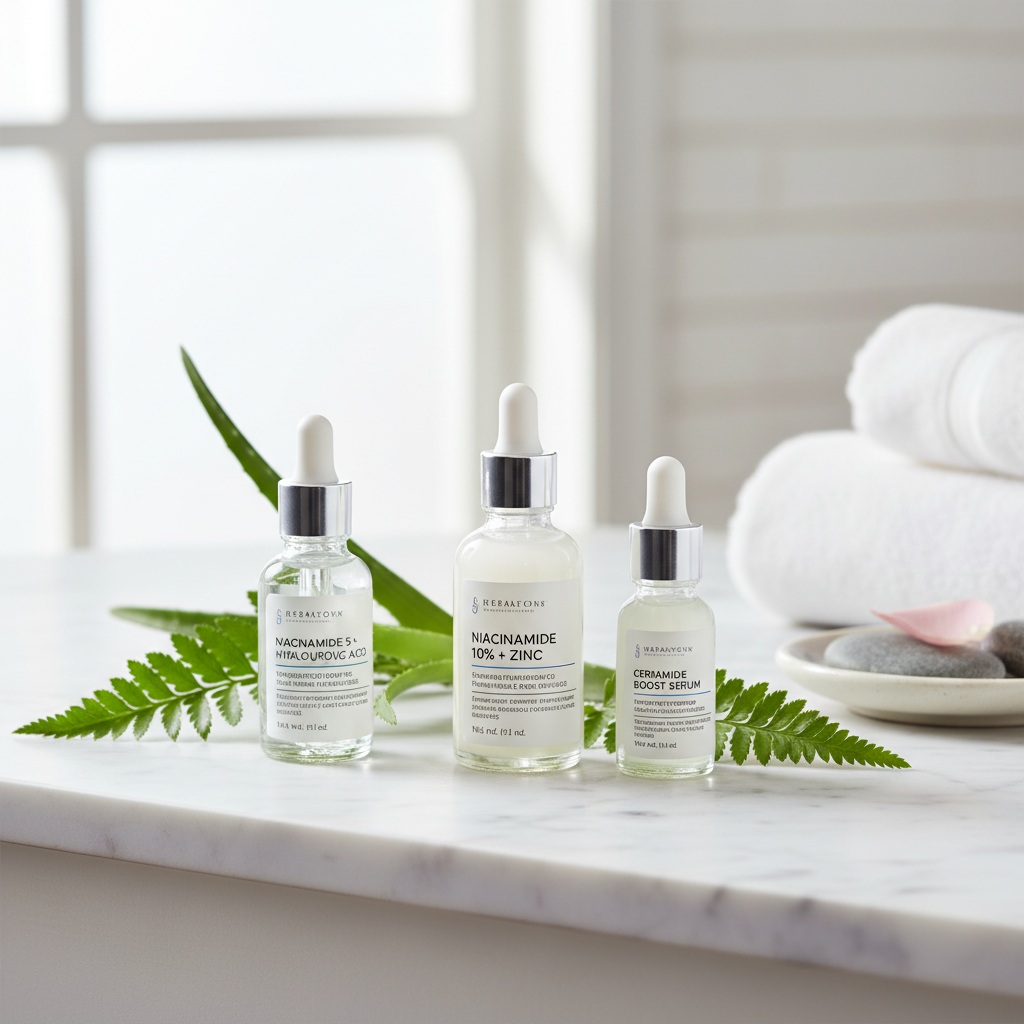
The sweet spot for niacinamide concentration typically falls between 5% and 10%.
* 5% Niacinamide: Often recommended as a starting point, especially for sensitive skin. It’s highly effective for improving skin barrier function, reducing redness, and providing antioxidant benefits without overwhelming the skin. Many studies show significant improvements at this concentration.
* 10% Niacinamide: Provides more intensive benefits, particularly for regulating sebum, minimizing pore appearance, and addressing more pronounced blemishes and uneven skin tone. While generally well-tolerated, some individuals might experience temporary flushing or mild irritation at this concentration, especially when first introducing it.
Higher concentrations, such as 15% or 20%, are available but are usually formulated for specific, targeted concerns and might be too potent for daily use or sensitive skin types. Dermatologist consensus often advises that the incremental benefits beyond 10% are often minimal for most users, and the risk of irritation increases.
Can Niacinamide Be Combined with Other Actives Like Retinol or Vitamin C?
Absolutely! Niacinamide is renowned for its compatibility with a wide array of other active ingredients, often enhancing their benefits and mitigating potential irritation. This versatility is a key reason for its continued popularity.
Niacinamide and Retinoids (Retinol, Retinal)
This is a highly synergistic pairing. Retinoids, known for their powerful anti-aging and anti-acne effects, can sometimes cause dryness, redness, or irritation, especially during the initial “retinization” phase. Niacinamide helps to strengthen the skin barrier and reduce inflammation, thereby minimizing these common side effects. Using niacinamide before or alongside your retinoid can make the experience much more comfortable and effective.
Niacinamide and Vitamin C (L-Ascorbic Acid)
The old myth that niacinamide and vitamin C couldn’t be used together has been largely debunked by modern research and stabilized formulations. While pure L-ascorbic acid and niacinamide *could* theoretically react in certain unstable, high-heat conditions, modern skincare products are formulated to prevent this. In fact, they are a fantastic duo:
- Niacinamide: Calms, strengthens barrier, regulates oil.
- Vitamin C: Brightens, provides antioxidant protection, boosts collagen.
Used together, they offer comprehensive protection against environmental damage, improve skin tone, and enhance overall radiance. If you’re concerned, apply one in the morning and the other at night, or ensure there’s a few minutes between applications.
Niacinamide and AHAs/BHAs (Exfoliating Acids)
Niacinamide can be a soothing counterpoint to exfoliating acids like Glycolic Acid (AHA) or Salicylic Acid (BHA). While acids work to unglue dead skin cells and clear pores, niacinamide reinforces the skin barrier and reduces the potential for irritation that can sometimes accompany exfoliation. This combination is particularly beneficial for acne-prone skin that also needs barrier support.
Niacinamide and Hyaluronic Acid/Ceramides
These ingredients are natural partners, all working to improve skin hydration and barrier function. Niacinamide boosts ceramide production, while hyaluronic acid provides humectant benefits. Used together, they create a robust, well-hydrated, and resilient skin barrier.
Are Drugstore Niacinamide Serums as Good as Prestige Options?
In 2026, the gap between drugstore and prestige skincare has significantly narrowed, especially for well-established actives like niacinamide. The answer often depends on the specific formulation, not just the price tag.
Formulation and Ingredients
Both drugstore and prestige brands can deliver excellent niacinamide serums. The key lies in the overall formulation:
- Concentration: Ensure the niacinamide concentration is within the 5-10% sweet spot, regardless of brand.
- Accompanying Actives: Look at other ingredients. Drugstore brands often excel at combining niacinamide with tried-and-true actives like hyaluronic acid, ceramides, or salicylic acid in stable, effective ratios. Prestige brands might include more exotic extracts, peptides, or proprietary complexes, which can be beneficial but aren’t always necessary for niacinamide’s core benefits.
- Sensory Experience: Prestige products often invest more in elegant textures, subtle fragrances (though many prefer fragrance-free), and luxurious packaging. While this enhances the user experience, it doesn’t always translate to superior efficacy for the active ingredient itself.
Dermatologist Consensus and FDA-Approved Actives
Dermatologists often recommend both drugstore and prestige options, emphasizing that efficacy comes from well-formulated products with proven actives. Niacinamide itself is not an FDA-approved drug for specific conditions, but many products containing it may also feature FDA-approved actives for acne (like salicylic acid or benzoyl peroxide) or sun protection (mineral SPF like zinc oxide or titanium dioxide), ensuring a comprehensive approach to skin health. The focus is on robust, evidence-backed ingredients, which are increasingly accessible across all price points.
Top Niacinamide Serums Recommended in 2026 for Redness and Blemishes
While specific product recommendations evolve, here’s a look at the types of formulations that dermatologists and skincare enthusiasts in the US continue to praise for their effectiveness in addressing redness and blemishes. (Note: These are illustrative examples of common product profiles, not exact products or prices.)
| Serum Profile | Primary Benefit | Key Accompanying Actives | Ideal Skin Type |
|---|---|---|---|
| Barrier-Boosting Niacinamide Serum (e.g., “The Skin Fortifier”) | Reduces general redness, strengthens skin barrier, soothes irritation. | 5% Niacinamide, Ceramides, Hyaluronic Acid, Allantoin | Sensitive, Dry, Mature, Redness-Prone |
| Oil-Control & Pore-Refining Serum (e.g., “Pore Perfecting Elixir”) | Minimizes pore appearance, regulates sebum, targets blemishes. | 10% Niacinamide, Zinc PCA, Salicylic Acid (low concentration) | Oily, Combination, Acne-Prone |
| Brightening & Tone-Correcting Serum (e.g., “Radiance Renew Serum”) | Fades post-acne marks, evens skin tone, enhances luminosity. | 5-10% Niacinamide, Vitamin C (stable form), Licorice Root Extract | All skin types, especially those with hyperpigmentation |
| Advanced Anti-Aging Niacinamide Serum (e.g., “Youthful Glow Complex”) | Addresses fine lines, improves texture, supports collagen. | 5% Niacinamide, Peptides, Retinal (gentle form), Green Tea Extract | Mature, Combination, those seeking comprehensive anti-aging |
| Targeted Blemish & Redness Treatment (e.g., “Calm & Clear Solution”) | Rapid reduction of active breakouts and associated redness. | 10% Niacinamide, Azelaic Acid, Centella Asiatica | Acne-Prone, Rosacea-Prone (consult derm) |
How Long Does It Take to See Results from Niacinamide Serums?
Patience and consistency are key with any skincare active, and niacinamide is no exception. While some individuals might notice immediate calming effects or a reduction in oiliness within a few weeks, more significant improvements in redness, texture, and blemish reduction typically take longer.
Expect to see noticeable changes within:
- 2-4 weeks: Initial improvements in skin hydration and a slight reduction in overall redness or irritation.
- 6-8 weeks: More significant reduction in oil production, fewer new blemishes, and some fading of post-acne marks.
- 12 weeks and beyond: Optimal results, including a more even skin tone, refined pore appearance, and a stronger, healthier skin barrier. Consistent use is crucial for maintaining these benefits.
Remember that individual results can vary based on skin type, the severity of concerns, and the overall skincare routine.
Frequently Asked Questions
Can niacinamide cause purging?
Niacinamide is generally not associated with skin purging, which is common with ingredients that significantly accelerate cell turnover like retinoids or AHAs. If you experience breakouts after starting niacinamide, it’s more likely an irritation or an allergic reaction to another ingredient in the formulation. Discontinue use and consult a dermatologist if symptoms persist.
Is niacinamide safe during pregnancy?
Yes, niacinamide is widely considered safe for use during pregnancy and breastfeeding. Unlike some other active ingredients (like retinoids), niacinamide is a vitamin that poses no known risks when applied topically. However, it’s always best to consult with your doctor or dermatologist about your skincare routine during pregnancy.
How often should I use a niacinamide serum?
Most niacinamide serums are designed for daily use, often once or twice a day. If you have sensitive skin, start with once a day (e.g., in the evening) and gradually increase to twice daily if tolerated. Consistency is more important than frequency for long-term benefits.
What percentage of niacinamide is best for sensitive skin?
For sensitive skin, a 5% niacinamide concentration is often the best starting point. It provides significant benefits for barrier strengthening and redness reduction with a very low risk of irritation. If well-tolerated, you can consider gradually increasing to a 10% formulation, but it’s not always necessary to go higher for effective results.
Can I use niacinamide with sunscreen?
Absolutely, and it’s highly recommended! Niacinamide can enhance the protective benefits of your sunscreen by strengthening the skin barrier and providing antioxidant support. Apply your niacinamide serum after cleansing and toning, allow it to absorb, and then follow with your moisturizer and a broad-spectrum mineral SPF. In 2026, the focus on consistent sunscreen reapplication throughout the day remains paramount for optimal skin health.
Conclusion
Niacinamide has firmly established itself as a cornerstone ingredient in modern skincare, offering a comprehensive solution for reducing redness and blemishes while enhancing overall skin health. By understanding its multifaceted benefits and choosing a serum tailored to your skin type, you can effectively integrate this powerhouse vitamin into your routine, paving the way for a calmer, clearer, and more resilient complexion.