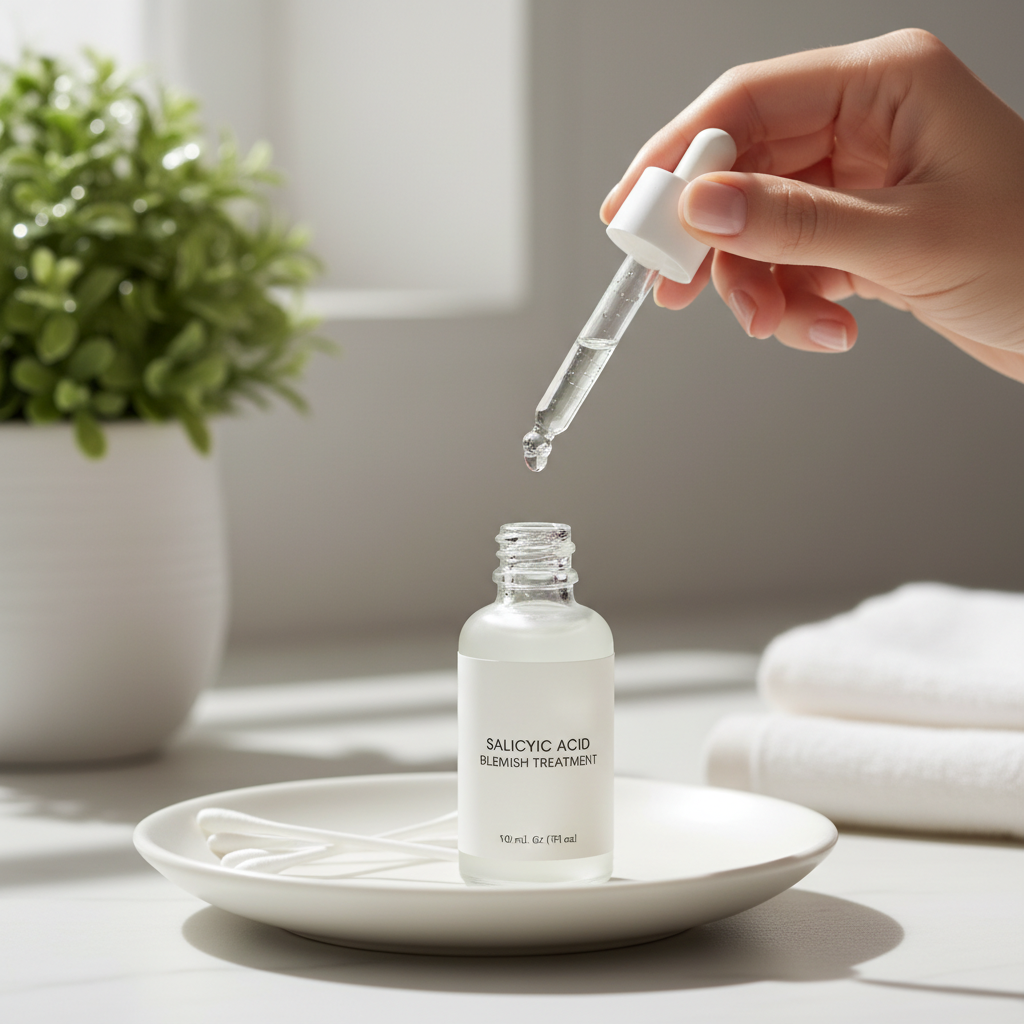
For women in the U.S. grappling with persistent breakouts, dermatologist-prescribed skincare is often the most effective path to clearer skin. While over-the-counter options offer a good starting point, prescription-strength ingredients and professional guidance can tackle the root causes of stubborn acne more comprehensively, leading to significant and lasting improvement.
Introduction
In 2026, with an overwhelming array of skincare products and advice at our fingertips, navigating the world of acne treatment can feel like a minefield. Many of us have tried countless serums, cleansers, and spot treatments, only to find our stubborn acne persists. This article delves into why dermatologist-prescribed skincare might be the game-changer you need for those relentless breakouts, offering an evidence-informed perspective on when and why professional intervention is superior.
Why Is My Acne So Stubborn?
Stubborn acne often feels like a personal battle, but its persistence usually stems from a combination of underlying factors that over-the-counter (OTC) products can’t fully address. Common culprits include hormonal fluctuations (especially prevalent in adult women), excessive sebum production, inflammation, the proliferation of acne-causing bacteria (P. acnes, now often referred to as C. acnes), and genetic predisposition. When these factors align, they create an environment where pores become clogged, leading to deep, painful cysts, nodules, and persistent pustules that resist conventional treatments. Understanding these root causes is the first step toward finding a more effective solution.
What’s the Difference Between OTC and Dermatologist-Prescribed Acne Treatments?
The fundamental distinction lies in concentration, potency, and the range of active ingredients available. OTC products are formulated for general use and contain lower concentrations of active ingredients, while prescription treatments are tailored by a medical professional for specific, often more severe, skin conditions.
Over-the-Counter Options: What Can They Really Do?
OTC acne treatments are readily available at drugstores and beauty retailers across the U.S. They typically contain FDA-approved active ingredients like salicylic acid, benzoyl peroxide, and sometimes retinoids such as adapalene. These ingredients work by exfoliating the skin, killing bacteria, or reducing inflammation. For mild to moderate acne, particularly blackheads, whiteheads, and occasional pustules, OTC options can be quite effective. They’re a great first line of defense and can help maintain clear skin once more severe breakouts are under control. However, their lower concentrations mean they often lack the power to penetrate deeply enough or exert a strong enough effect on hormonal or cystic acne.
Prescription Power: When It’s Time for the Big Guns
When OTC treatments fall short, a dermatologist can prescribe stronger, more targeted medications. These include higher-strength topical retinoids like tretinoin and tazarotene, topical antibiotics (e.g., clindamycin, erythromycin), and azelaic acid. For more severe or hormonal acne, oral medications such as antibiotics (doxycycline, minocycline), anti-androgens (spironolactone), or even isotretinoin (Accutane) may be necessary. These prescription-strength treatments work on multiple fronts, often targeting inflammation, bacterial overgrowth, and sebum production more aggressively than anything available without a doctor’s visit. They are potent and require medical supervision due to potential side effects and the need for careful monitoring.
Which Key Ingredients Actually Work for Stubborn Acne?
Understanding the science behind the ingredients can empower your treatment journey. Here are some of the most effective actives, both OTC and prescription, and how they function:
- Topical Retinoids (Tretinoin, Adapalene, Tazarotene, Retinal): These vitamin A derivatives normalize cell turnover, preventing pores from clogging, and reducing inflammation. Tretinoin and Tazarotene are prescription-strength, while Adapalene is available OTC in lower concentrations. Retinal (retinaldehyde) is a newer, potent form becoming popular in 2026 for its efficacy with less irritation than some other retinoids.
- Benzoyl Peroxide: An antimicrobial agent that kills acne-causing bacteria and helps shed dead skin cells. It’s effective for inflammatory acne and is available in various strengths OTC and in some prescription combinations.
- Salicylic Acid (BHA): A beta-hydroxy acid that penetrates oil to exfoliate inside the pore, dissolving sebum and dead skin cells to prevent blockages. It’s primarily found in OTC cleansers, toners, and treatments.
- Azelaic Acid: A dicarboxylic acid with antibacterial, anti-inflammatory, and exfoliating properties. It’s effective for both acne and post-inflammatory hyperpigmentation, available OTC and in prescription strengths.
- Topical Antibiotics (Clindamycin, Erythromycin): These prescription medications reduce acne-causing bacteria and decrease inflammation on the skin’s surface. They are typically used in conjunction with other treatments like benzoyl peroxide to prevent bacterial resistance.
- Oral Medications (Spironolactone, Doxycycline, Isotretinoin):
- Spironolactone: A prescription anti-androgen that helps manage hormonal acne in women by blocking androgen receptors, reducing sebum production.
- Doxycycline/Minocycline: Oral antibiotics that reduce inflammation and bacterial load in moderate to severe acne. They are usually prescribed for a limited duration.
- Isotretinoin (Accutane): A powerful prescription oral retinoid reserved for severe, nodular, or cystic acne that hasn’t responded to other treatments. It significantly reduces oil production and normalizes cell turnover, often leading to long-term remission.
- Niacinamide (Vitamin B3): While not a primary acne treatment, this active reduces inflammation, minimizes pore appearance, and strengthens the skin barrier, making it an excellent supportive ingredient for acne-prone skin.
- Hyaluronic Acid: A humectant that draws moisture into the skin, providing hydration without clogging pores, crucial for balancing skin that might be dried out by acne treatments.
- Ceramides: Lipids that are vital components of the skin barrier, helping to retain moisture and protect against irritants, essential when using potent acne medications.
How Do I Know if My Acne Needs a Dermatologist?
It’s time to consult a dermatologist if your acne is:
- Persistent: You’ve consistently used OTC products for 6-8 weeks with no significant improvement.
- Painful or Deep: You experience cysts, nodules, or deep, tender bumps that are characteristic of severe acne.
- Causing Scars: You’re noticing dark spots (post-inflammatory hyperpigmentation) or pitted scars (atrophic scars) after breakouts heal. Early intervention can prevent permanent scarring.
- Affecting Your Quality of Life: Your acne is causing emotional distress, anxiety, or impacting your self-esteem.
- Widespread: It covers large areas of your face, chest, or back.
- Sudden Onset Adult Acne: Especially if it’s new and severe, it could indicate underlying hormonal issues.
What Should I Expect from a Dermatologist Visit for Acne?
Your first visit will typically involve a detailed discussion about your medical history, current skincare routine, and the nature of your acne. The dermatologist will examine your skin, assess the type and severity of your acne, and discuss potential triggers. They may also ask about your lifestyle, diet, and any previous treatments you’ve tried. Based on this comprehensive evaluation, they will formulate a personalized treatment plan, which could include prescription topicals, oral medications, in-office procedures (like extractions, chemical peels, or laser therapy), and recommendations for OTC products to complement your regimen. Follow-up appointments are crucial for monitoring progress, adjusting treatments, and managing any side effects.
How Can I Support My Skin Barrier While Treating Acne?
The 2026 skincare landscape places a strong emphasis on skin barrier health, and for good reason, especially when using potent acne treatments. Many effective acne ingredients, particularly retinoids and benzoyl peroxide, can be drying and irritating, potentially compromising the skin barrier. A damaged barrier can lead to increased sensitivity, redness, and even worse breakouts. To counteract this, incorporate gentle, hydrating, and barrier-supporting products into your routine:
- Gentle Cleansers: Opt for sulfate-free, non-foaming cleansers that remove impurities without stripping natural oils.
- Hydrating Serums: Look for serums with hyaluronic acid or polyglutamic acid to draw moisture into the skin.
- Barrier-Repairing Moisturizers: Choose non-comedogenic creams rich in ceramides, niacinamide, and fatty acids to fortify the skin’s protective layer.
- “Sandwich Method”: Apply a thin layer of moisturizer before and after your active treatment to buffer its intensity, especially for sensitive skin or when starting new retinoids.
- Mineral SPF: Daily use of a broad-spectrum mineral sunscreen (zinc oxide, titanium dioxide) with at least SPF 30 is non-negotiable. Many acne treatments increase sun sensitivity, and mineral formulas are generally less irritating for compromised skin. Remember to reapply every two hours when exposed to direct sunlight, a practice increasingly highlighted by recent sunscreen reapplication science.
Are At-Home Devices Worth It for Acne?
The market for at-home dermal-grade tools has exploded by 2026, offering everything from LED masks to microcurrent devices. For stubborn acne, certain at-home devices can be a helpful adjunct but are rarely a standalone solution. Red and blue LED light therapy devices, for example, can reduce inflammation and kill acne-causing bacteria, respectively. However, their efficacy is often lower than professional-grade in-office treatments. Microcurrent devices are more geared towards toning and lifting rather than active acne. While these tools can offer subtle benefits and enhance product penetration, they should be considered supplementary to a dermatologist-prescribed regimen for persistent acne, not a replacement. Always consult your dermatologist before incorporating new devices into your routine, especially if using strong active ingredients.
Can Lifestyle Changes Really Impact Stubborn Acne?
While lifestyle factors alone typically won’t cure severe stubborn acne, they can certainly play a supportive role in managing breakouts and improving overall skin health. A balanced diet, rich in antioxidants and low in high-glycemic foods, may help some individuals, though the link between specific foods and acne is highly individual and often debated. Managing stress through practices like meditation or yoga can reduce hormonal fluctuations that contribute to acne. Ensuring adequate sleep allows the body to repair and regenerate, which is beneficial for skin. Regular, moderate exercise can also improve circulation and reduce stress, but always cleanse your skin thoroughly post-workout to prevent sweat-induced breakouts. These lifestyle adjustments work best in conjunction with a targeted skincare regimen, not as a replacement for medical treatment.
| Treatment Type | Primary Active Ingredient(s) | Mechanism of Action | Typical Use Case | Considerations |
|---|---|---|---|---|
| OTC Adapalene Gel | Adapalene (0.1%) | Normalizes cell turnover, reduces inflammation, prevents pore clogging. | Mild to moderate acne, blackheads, whiteheads, some inflammatory lesions. | Generally well-tolerated; can cause initial dryness/purging. Consistent use for 8-12 weeks needed. |
| Prescription Tretinoin Cream | Tretinoin (0.025% – 0.1%) | Potent cell turnover normalization, collagen stimulation, anti-inflammatory. | Moderate to severe acne, fine lines, sun damage, hyperpigmentation. | More potent, higher risk of irritation, dryness, sun sensitivity. Requires medical supervision. |
| Prescription Topical Antibiotic + BP | Clindamycin + Benzoyl Peroxide | Kills acne bacteria, reduces inflammation, prevents bacterial resistance. | Inflammatory acne, pustules, papules. | Often used short-term; can be drying. Benzoyl peroxide helps prevent antibiotic resistance. |
| Oral Spironolactone | Spironolactone | Blocks androgen hormones, reducing oil production and hormonal breakouts. | Hormonal acne in adult women (chin, jawline, back). | Requires daily oral intake; potential side effects include menstrual irregularities, dizziness. Prescribed by a doctor. |
| Prescription Isotretinoin (Oral) | Isotretinoin | Drastically reduces sebum production, normalizes cell turnover, anti-inflammatory. | Severe, cystic, nodular acne unresponsive to other treatments. | Highly effective, often leads to remission. Significant potential side effects, strict monitoring required (e.g., iPLEDGE program in the US). |
5 Steps to Take Control of Your Stubborn Acne
- Schedule a Dermatologist Appointment: This is the most crucial step for personalized diagnosis and prescription-strength solutions.
- Commit to Your Prescribed Routine: Consistency is key; follow your dermatologist’s instructions precisely, even if results aren’t immediate.
- Prioritize Skin Barrier Support: Use gentle cleansers, hydrating serums (hyaluronic acid), and ceramide-rich moisturizers to mitigate irritation from actives.
- Apply Mineral Sunscreen Daily: Protect your skin from UV damage, especially when using retinoids, and reapply frequently.
- Be Patient and Monitor Progress: Acne treatment takes time. Keep a log of your skin’s changes and discuss any concerns with your dermatologist during follow-ups.
Frequently Asked Questions
How long does it take for prescription acne medication to work?
Patience is essential with prescription acne treatments. While some individuals may see initial improvements within a few weeks, significant and consistent results typically take anywhere from 8 to 12 weeks, and sometimes longer for oral medications like isotretinoin. It’s crucial to follow your dermatologist’s instructions diligently and not get discouraged if immediate results aren’t apparent.
Can I combine OTC and prescription acne treatments?
Sometimes, yes, but always under the guidance of your dermatologist. Combining treatments can be very effective, but doing so improperly can lead to excessive irritation, redness, and dryness. Your dermatologist can advise on how to safely integrate OTC products (like gentle cleansers or niacinamide serums) with your prescription medications without compromising your skin barrier or causing adverse reactions.
What about my skin type? Will prescription treatments be too harsh for sensitive skin?
Dermatologists are skilled at tailoring treatments to individual skin types, including sensitive skin. They may start with lower concentrations, recommend a slower introduction of new products, or prescribe specific formulations designed for sensitivity. Supporting your skin barrier with gentle, hydrating products (ceramides, hyaluronic acid) is also paramount when using potent actives, especially if you have sensitive skin.
Is it true that diet affects acne?
The relationship between diet and acne is complex and highly individual. While there’s no universal “acne diet,” some studies suggest that high-glycemic index foods and certain dairy products might exacerbate acne in some individuals. However, diet alone is rarely the sole cause or cure for stubborn acne. Your dermatologist can discuss dietary considerations as part of a holistic treatment plan, but it’s typically supplementary to medical treatments.
Should I still use sunscreen if I have acne?
Absolutely, daily sunscreen use is critical, especially when treating acne. Many acne medications, particularly retinoids, increase your skin’s sensitivity to the sun, making it more prone to sunburn and hyperpigmentation (dark spots). Opt for broad-spectrum, non-comedogenic mineral sunscreens (zinc oxide, titanium dioxide) with at least SPF 30. Sunscreen also helps prevent post-inflammatory hyperpigmentation from darkening and becoming more persistent.
Conclusion
For women in the U.S. battling stubborn acne, the journey often leads to the invaluable expertise of a dermatologist. While OTC products can manage mild cases, prescription-strength ingredients and professional guidance offer a comprehensive, targeted approach that addresses the multifaceted causes of persistent breakouts. By understanding the powerful tools available and prioritizing skin barrier health, you can achieve clearer, healthier skin and regain confidence.