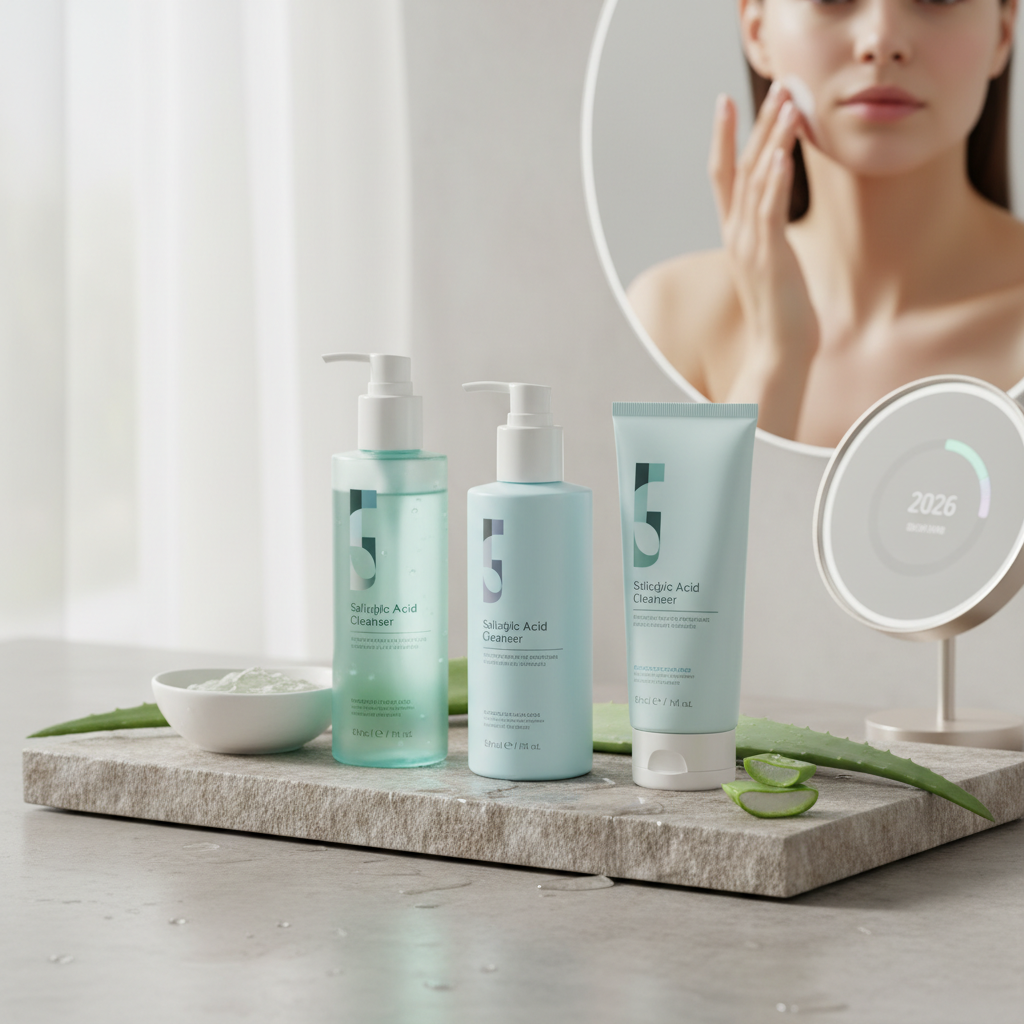
Post-Inflammatory Hyperpigmentation (PIH) manifests as dark spots on the skin after inflammation or injury, commonly from acne, and is a frustrating but treatable concern. Effective management involves a combination of consistent sun protection, targeted skincare ingredients that inhibit melanin production and promote cell turnover, and sometimes professional treatments. Patience and a gentle approach to skin health are paramount for successful fading.
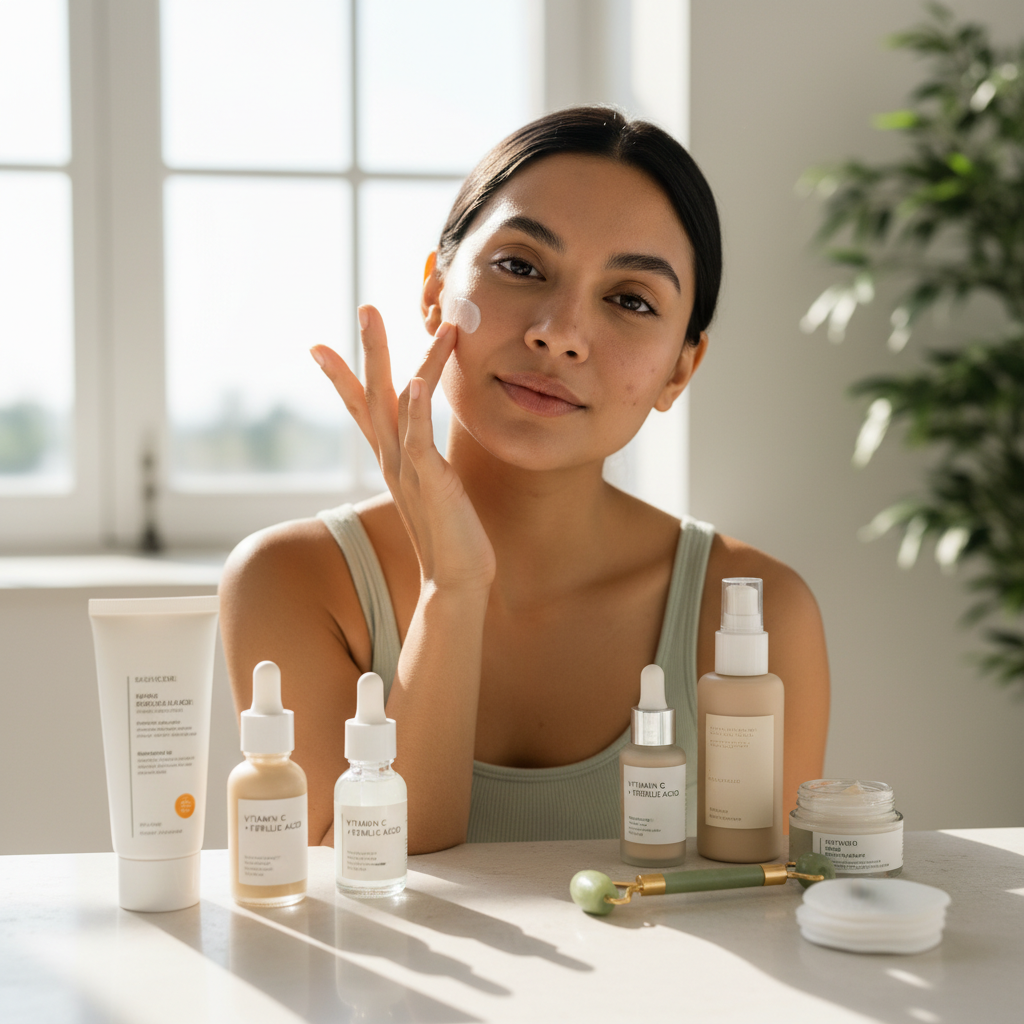
Introduction
If you’ve ever battled a breakout, a pesky bug bite, or even a minor scrape, only to be left with a stubborn dark spot long after the initial issue resolved, you’ve likely experienced Post-Inflammatory Hyperpigmentation, or PIH. It’s one of the most common and frustrating skin concerns, affecting millions of women across the United States. But here’s the good news: PIH is entirely treatable, and with the right knowledge and consistent care, you can significantly reduce its appearance and prevent future spots.
What Exactly is Post-Inflammatory Hyperpigmentation (PIH)?
PIH is your skin’s natural response to inflammation or injury. When your skin experiences trauma—whether from an acne lesion, a cut, a burn, or even an aggressive facial treatment—it triggers an inflammatory response. As part of the healing process, specialized skin cells called melanocytes, which produce melanin (the pigment that gives skin its color), can go into overdrive. This excessive melanin production is then deposited in the deeper layers of the epidermis or even the dermis, resulting in the flat, discolored patches we know as PIH.
Unlike a fresh scab or a raised bump, PIH typically appears as a flat spot ranging in color from pink, red, or purple to brown or black, depending on your natural skin tone and the depth of the pigment. It’s crucial to distinguish PIH from other forms of hyperpigmentation, such as melasma (often symmetrical patches triggered by hormones and sun) or sun spots (freckle-like spots caused by sun exposure). While all involve melanin, their triggers and optimal treatments can differ.
Why Do Some People Get PIH More Than Others?
While anyone can develop PIH, certain factors increase susceptibility and severity:
- Skin Tone: Individuals with Fitzpatrick skin types III to VI (medium to dark skin tones) are significantly more prone to PIH. Their melanocytes are naturally more active and produce melanin more readily in response to inflammation.
- Severity and Duration of Inflammation: The more intense or prolonged the inflammation, the higher the likelihood and severity of PIH. A deeply cystic acne lesion, for example, is far more likely to leave a lasting mark than a small whitehead.
- Picking and Squeezing: Manually extracting blemishes or picking at scabs dramatically worsens inflammation, pushing pigment deeper into the skin and increasing the risk of PIH.
- Sun Exposure: UV radiation acts as a catalyst, darkening existing PIH and making it much more stubborn to fade. It also triggers new melanin production, exacerbating the problem.
- Individual Healing Response: Genetics play a role in how your skin heals and responds to injury. Some people are simply more prone to pigmentary changes.
How Can I Prevent PIH from Forming in the First Place?
The best way to treat PIH is to prevent it. This involves a multi-pronged approach focused on reducing inflammation and protecting your skin.
- Address the Root Cause: If acne is your primary trigger, focus on managing breakouts effectively but gently. This might involve salicylic acid (a BHA that exfoliates inside pores, reducing blockages) or benzoyl peroxide for active lesions, or retinoids for long-term prevention.
- Hands Off!: Resist the urge to pick, pop, or squeeze blemishes. This is arguably the most critical prevention step. Any manipulation increases inflammation and pushes bacteria and pigment deeper.
- Consistent Sun Protection: This is non-negotiable. Daily use of a broad-spectrum mineral SPF 30 or higher (containing zinc oxide and/or titanium dioxide) is essential. UVA rays, present year-round, can darken PIH even on cloudy days. Reapplication every two hours, especially if outdoors, is crucial – a 2026 trend emphasizing diligent reapplication over just initial application.
- Support Your Skin Barrier: A healthy skin barrier is less prone to inflammation. Incorporate ingredients like ceramides, hyaluronic acid (a humectant that draws moisture into the skin), and niacinamide (Vitamin B3, which strengthens the barrier and inhibits melanin transfer) into your routine.
- Gentle Skincare Practices: Avoid harsh scrubs, overly hot water, or products with irritating fragrances or alcohol. Treat your skin with kindness to minimize inflammatory responses.
Which Skincare Ingredients Actually Work to Fade Existing PIH?
Fading PIH requires a combination of ingredients that promote cell turnover, inhibit melanin production, and protect the skin. Here are the key players:
Exfoliants for PIH
- Alpha Hydroxy Acids (AHAs): Glycolic acid and lactic acid are popular AHAs that work by gently dissolving the “glue” holding dead skin cells together on the surface, promoting faster cell turnover. This helps shed pigmented cells more quickly.
- Beta Hydroxy Acids (BHAs): Salicylic acid is a BHA that is oil-soluble, allowing it to penetrate into pores to exfoliate from within. While excellent for preventing acne, its exfoliating action also aids in PIH fading, especially for acne-related spots.
Brighteners for PIH
- Vitamin C (L-Ascorbic Acid): A potent antioxidant, Vitamin C protects against free radical damage and actively inhibits tyrosinase, an enzyme crucial for melanin production. It also brightens the overall complexion.
- Niacinamide (Vitamin B3): This multi-tasking ingredient reduces inflammation, strengthens the skin barrier, and notably, prevents the transfer of melanin from melanocytes to keratinocytes (skin cells), making it highly effective for PIH.
- Alpha Arbutin & Kojic Acid: These are depigmenting agents that work by inhibiting tyrosinase, similar to hydroquinone but typically milder.
- Azelaic Acid: Often overlooked, azelaic acid reduces inflammation, kills acne-causing bacteria, and inhibits tyrosinase activity, making it excellent for both acne and PIH, especially for sensitive skin.
Retinoids for PIH
- Retinol & Retinal (Retinaldehyde): These Vitamin A derivatives significantly accelerate cell turnover, helping to shed pigmented skin cells faster. Retinal is a newer, more potent form of retinol, requiring only one conversion step in the skin to retinoic acid, making it faster-acting with potentially less irritation than prescription-strength options.
- Tretinoin (Prescription): The strongest topical retinoid, tretinoin (pure retinoic acid) is highly effective for PIH due to its powerful cell-renewing and melanin-inhibiting properties. It requires a dermatologist’s prescription and careful introduction.
The Gold Standard for Stubborn PIH
- Hydroquinone (Prescription or OTC up to 2%): Considered the most effective topical bleaching agent, hydroquinone directly inhibits tyrosinase. It’s often prescribed for short-term use under dermatologist supervision due to potential side effects like irritation or paradoxical darkening (ochronosis) with prolonged, unsupervised use.
Emerging Actives
- Peptides: Certain peptides, like oligopeptide-68 or acetyl glucosamine, are being formulated into brightening serums to target melanin pathways, offering gentler alternatives or complements to more potent actives.
How Do I Build an Effective PIH Skincare Routine?
A successful PIH routine is about strategic layering and consistency. Remember to introduce new actives slowly to avoid irritation, especially if you have sensitive skin.
Morning Routine: Protection & Prevention
- Gentle Cleanser: Start with a mild, hydrating cleanser.
- Antioxidant Serum: Apply a Vitamin C serum to brighten, protect, and inhibit melanin.
- Niacinamide Serum (Optional): If not in your Vitamin C, a niacinamide serum can further reduce melanin transfer and strengthen the barrier.
- Moisturizer: A lightweight, hydrating moisturizer to support the skin barrier.
- Broad-Spectrum Mineral SPF 30+: Your most crucial step. Apply generously and reapply throughout the day.
Evening Routine: Treatment & Repair
- Gentle Cleanser: Cleanse thoroughly to remove makeup and impurities.
- Targeted Treatment:
- Option A (Retinoid Focus): Apply your chosen retinoid (retinol, retinal, or prescription tretinoin). Start 2-3 times a week and increase as tolerated.
- Option B (Exfoliant/Brightener Focus): On nights you’re not using a retinoid, apply an AHA/BHA serum or a dedicated brightening serum with ingredients like azelaic acid or alpha arbutin. Rotate active ingredients to prevent over-exfoliation.
- Hydrating Moisturizer: Follow with a rich moisturizer containing ceramides or hyaluronic acid to combat potential dryness from actives and fortify your skin barrier.
- Spot Treatment (Optional): For specific stubborn spots, a targeted hydroquinone or potent brightening cream might be applied, as advised by a dermatologist.
Dermatologist Consensus: For optimal results, many dermatologists recommend a “sandwich” method for strong actives like retinoids, especially for sensitive skin: apply a thin layer of moisturizer, then the active, then another layer of moisturizer to buffer irritation.
Are At-Home Devices and Professional Treatments Worth It for PIH?
For persistent or severe PIH, at-home tools and professional treatments can be powerful allies, but they should complement, not replace, a solid topical routine.
At-Home Tools (2026 Trends)
- LED Masks (Red Light): Red LED light therapy is gaining traction for its anti-inflammatory properties, which can help reduce the initial inflammation that leads to PIH. While not directly fading spots, it helps prevent new ones and supports overall skin healing.
- Gentle Micro-needling Rollers (Dermal-Grade): Used with extreme caution, very superficial micro-needling (<0.25mm) can theoretically enhance product penetration. However, improper use can trigger more inflammation and worsen PIH, so professional guidance is highly recommended. Many dermal-grade at-home tools are becoming more sophisticated, but user error remains a risk.
- Microcurrent Devices: Primarily for muscle toning and circulation, microcurrent doesn’t directly treat PIH but can improve overall skin health and radiance, potentially making spots less noticeable.
Professional Treatments
When over-the-counter options aren’t enough, a board-certified dermatologist can offer more aggressive and targeted solutions:
- Chemical Peels: Dermatologist-strength peels (e.g., glycolic, salicylic, TCA, Jessner’s) use higher concentrations of acids to exfoliate deeper layers of skin, effectively shedding pigmented cells. A series of peels is often required.
- Laser Therapies: Lasers like Q-switched, PicoSure, or Fraxel can target melanin directly, breaking up pigment into smaller particles that the body can then clear away. These are particularly effective for deeper or more stubborn PIH, but require careful selection by a skilled professional to avoid post-inflammatory hyperpigmentation themselves, especially in darker skin tones.
- Microneedling with PRP: Professional microneedling creates controlled micro-injuries to stimulate collagen and elastin production, which can help remodel skin and reduce PIH. Adding Platelet-Rich Plasma (PRP) can accelerate healing and enhance results.
Comparing Key PIH-Fading Ingredients
| Ingredient | How it Works for PIH | Best For | Considerations |
|---|---|---|---|
| Vitamin C | Potent antioxidant, inhibits tyrosinase (melanin enzyme), brightens. | Overall brightening, mild PIH, antioxidant protection. | Can oxidize quickly; look for stable formulations. Introduce slowly if sensitive. |
| Niacinamide | Reduces inflammation, strengthens skin barrier, blocks melanin transfer. | Most skin types, especially sensitive or acne-prone. | Generally well-tolerated. Can be used daily. |
| AHAs (Glycolic/Lactic Acid) | Exfoliates surface skin cells, promoting faster cell turnover to shed pigmented cells. | Surface-level PIH, improving skin texture. | Increases sun sensitivity. Start with lower concentrations. |
| Retinol/Retinal | Accelerates cell turnover, promotes healthier skin cell production, inhibits melanin. | Moderate to stubborn PIH, anti-aging benefits. | Can cause irritation, dryness, and sun sensitivity. Use at night, start slow. Retinal is typically faster acting. |
| Hydroquinone | Directly inhibits tyrosinase, the enzyme responsible for melanin production. | Stubborn, darker PIH, often prescription-strength. | Use under dermatologist supervision. Potential for irritation or paradoxical darkening with prolonged use. |
5 Essential Steps for Managing PIH
- Relentless Sun Protection: Apply and reapply broad-spectrum mineral SPF 30+ daily, without fail.
- Strategic Active Ingredient Use: Incorporate Vitamin C, Niacinamide, AHAs, or Retinoids into your routine consistently.
- Support Your Skin Barrier: Use ceramides, hyaluronic acid, and gentle cleansers to keep skin healthy and minimize inflammation.
- Patience and Consistency: PIH fading takes time – often weeks to months. Stick with your routine.
- Consult a Dermatologist: For severe or persistent PIH, professional guidance can provide access to stronger treatments and personalized advice.
Frequently Asked Questions
How long does it take for PIH to fade?
The fading time for PIH varies significantly depending on its depth, severity, your skin type, and the consistency of your treatment. Mild, superficial PIH might fade within a few weeks to a couple of months with consistent care. Deeper or more severe spots can take six months to a year, or even longer. Patience is truly a virtue when treating PIH.
Can PIH get worse before it gets better?
Sometimes, yes. When starting new active ingredients like retinoids or strong AHAs, your skin might experience an initial purging phase or increased sensitivity, which can temporarily make spots appear more prominent. Also, if you’re not diligent with sun protection, any progress can be undone, and spots can darken. Always introduce new products slowly and protect your skin from the sun.
Is PIH different from melasma?
Yes, while both involve hyperpigmentation, their causes and patterns differ. PIH is triggered by inflammation or injury and can appear anywhere on the body. Melasma, often called the “mask of pregnancy,” is typically characterized by symmetrical, larger patches on the face (cheeks, forehead, upper lip) and is primarily triggered by hormonal fluctuations (pregnancy, birth control) combined with sun exposure. While some treatments overlap, melasma often requires a more specialized and long-term management approach.
Can I use multiple PIH ingredients at once?
It depends on the ingredients and your skin’s tolerance. Combining too many potent actives can lead to irritation, compromising your skin barrier and potentially worsening PIH. Generally, it’s safe to combine niacinamide with most other actives. Vitamin C can often be used in the morning, with retinoids or AHAs reserved for the evening. Always introduce one new active at a time, patch test, and observe your skin’s reaction. Consulting a dermatologist can help you create a safe and effective multi-ingredient routine.
What’s the deal with retinal vs. retinol?
Retinol and retinal (retinaldehyde) are both forms of Vitamin A, but retinal is a more potent and faster-acting derivative. Retinol needs two conversion steps in the skin to become retinoic acid (the active form), whereas retinal only needs one. This means retinal often delivers results more quickly and can be more effective at lower concentrations, potentially with less irritation than higher-strength retinols. It’s a popular choice in 2026 for those seeking prescription-level results without the prescription.
Conclusion
Post-Inflammatory Hyperpigmentation is a common skincare challenge, but it is not a life sentence. By understanding its causes, committing to diligent sun protection, and strategically incorporating evidence-backed ingredients into a consistent routine, you can significantly diminish the appearance of existing dark spots and prevent new ones. Remember, beautiful skin is a journey of patience, knowledge, and self-care. Embrace the process, and don’t hesitate to seek professional guidance from a dermatologist for personalized advice and advanced treatment options.