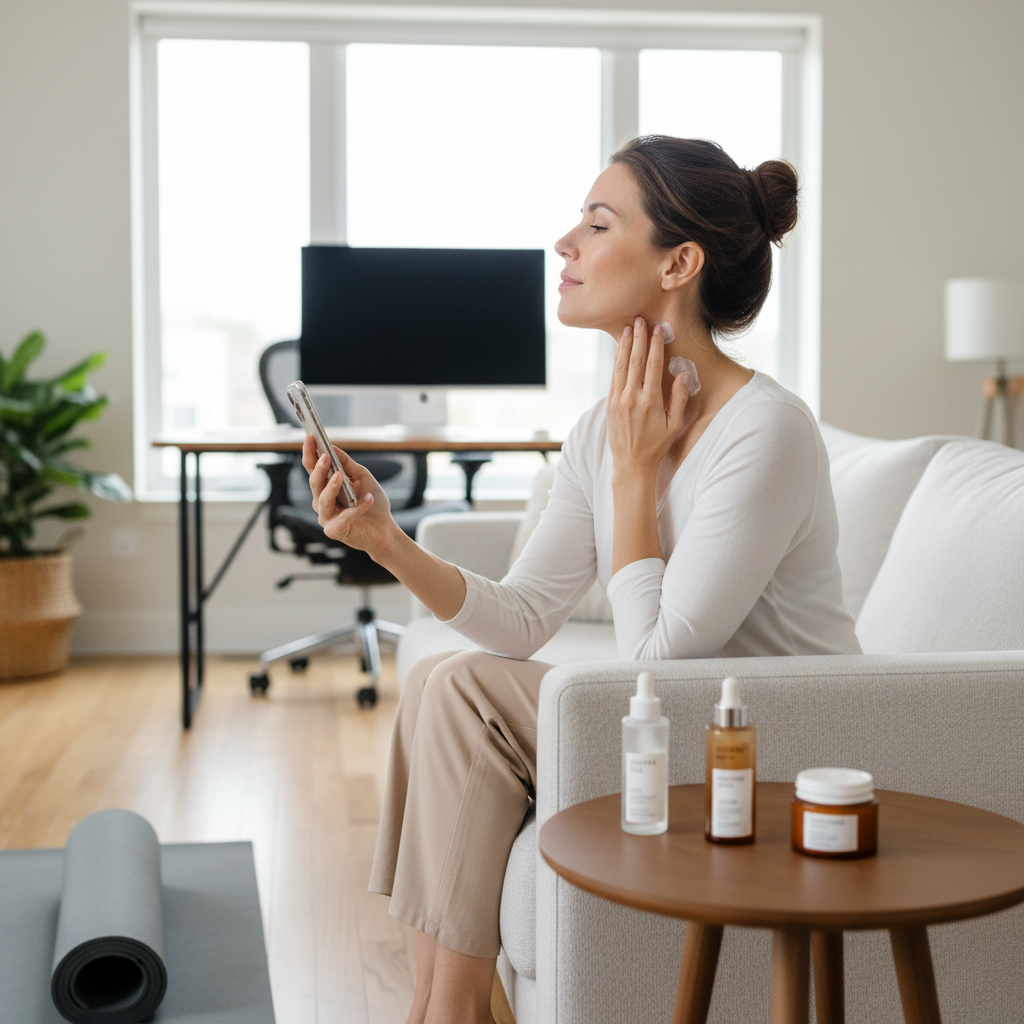
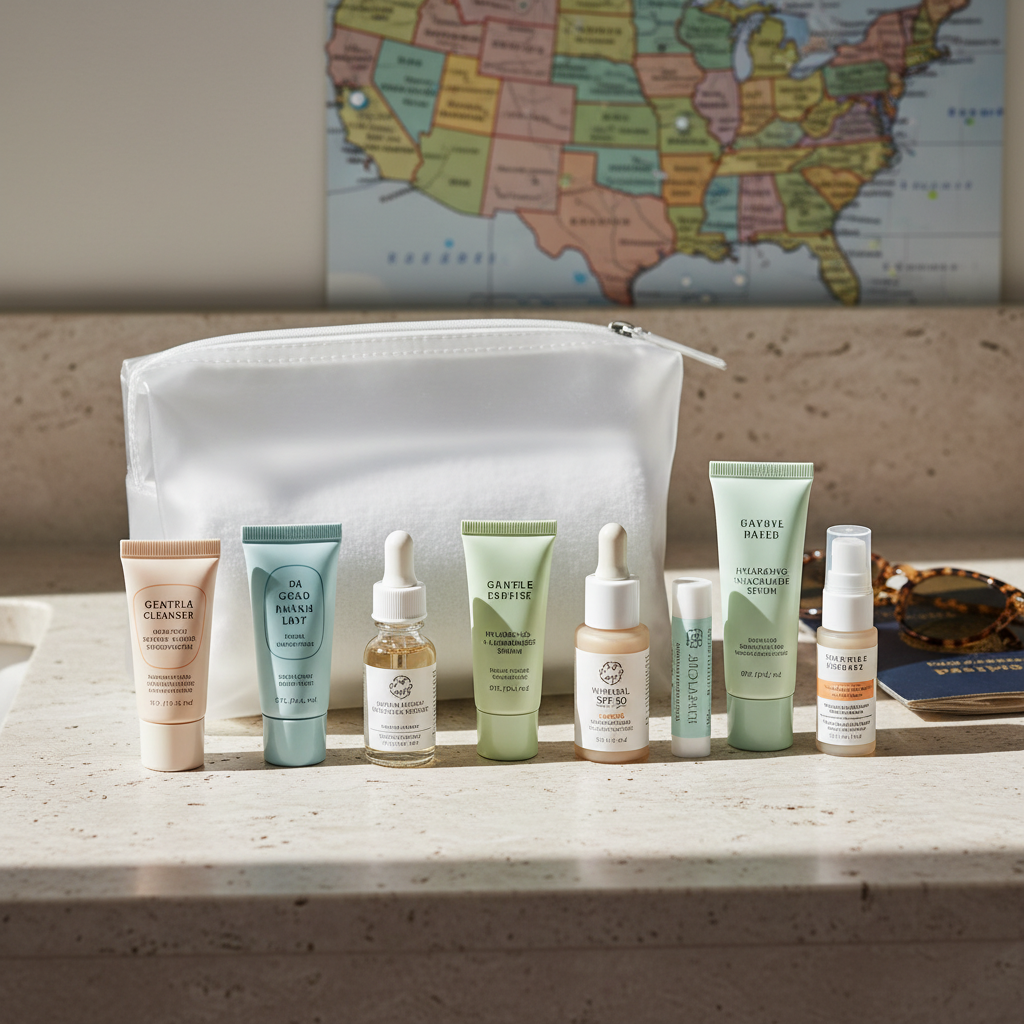
Traveling across the US this year means navigating diverse climates and routines, making smart skincare essential. Prioritize a streamlined kit focusing on gentle cleansing, robust hydration with actives like hyaluronic acid and niacinamide, and non-negotiable broad-spectrum mineral SPF. Opt for multi-tasking, travel-friendly products that maintain your skin barrier and protect against environmental stressors, ensuring your complexion stays healthy and radiant wherever your journey takes you.
Introduction
Embarking on a journey across the United States offers an incredible array of experiences, from the humid beaches of Florida to the dry deserts of Arizona, the bustling cityscapes of New York to the mountain ranges of Colorado. While your itinerary might be packed with sightseeing and adventure, your skin faces a unique set of challenges. Changes in climate, water quality, air travel, and even stress can wreak havoc on your complexion. That’s why a thoughtfully curated travel skincare routine isn’t just a luxury; it’s a necessity for maintaining skin health and glow. This guide, tailored for women in the US in 2026, will help you pack smart, not heavy, ensuring your skin remains resilient and radiant throughout your travels.
Why is Travel Skincare Different, and What Should I Consider?
When you travel, your skin is exposed to a multitude of environmental shifts that can disrupt its delicate balance. Recirculated airplane air is notoriously dry, stripping moisture from your skin. New climates, whether more humid or arid than your home, demand different levels of hydration and protection. Furthermore, the stress of travel itself can trigger breakouts or sensitivity. Beyond environmental factors, practical considerations like TSA liquid limits (the 3-1-1 rule for carry-ons) mean full-sized products are often out, necessitating travel-friendly sizes or solid formulations. The goal is to minimize disruption, maintain your skin barrier, and keep your routine effective yet compact.
What Are the Core Principles of Effective Travel Skincare?
Approaching travel skincare with a strategic mindset can save your skin (and your suitcase space). First, focus on essentials: cleanser, moisturizer, and sunscreen are non-negotiable. Second, prioritize hydration and protection above all else, as these are often the first things compromised by travel. Third, maintaining your skin barrier is key; look for products that support its integrity, especially when facing new environments. Fourth, avoid introducing new, untested products on your trip, as this increases the risk of adverse reactions. Stick to formulations your skin already knows and loves, or travel-sized versions of products you plan to integrate post-trip.
Which Cleanser is Best for On-the-Go Skin?
A gentle yet effective cleanser is the cornerstone of any travel routine. You need something that can remove makeup, sunscreen, and environmental pollutants without stripping your skin. For most skin types, a hydrating cream or gel cleanser works wonderfully. If you have oily or acne-prone skin, consider a cleanser with a low concentration of salicylic acid, a beta-hydroxy acid (BHA) that exfoliates inside the pore to help prevent breakouts. For dry or sensitive skin, look for formulations rich in ceramides, lipids that help restore and maintain the skin’s barrier function. Travel-sized options or solid cleansing sticks are excellent space-savers.
How Can I Hydrate and Treat My Skin Effectively While Traveling?
Hydration is paramount when traveling. Look for multi-tasking products that can serve as both a serum and a lightweight moisturizer, or layer a hydrating serum under a simple cream.
- Hyaluronic Acid: A powerful humectant, hyaluronic acid attracts and holds up to 1,000 times its weight in water, providing intense hydration to the skin’s surface. Essential for dry climates.
- Niacinamide: Also known as Vitamin B3, niacinamide is a versatile active that helps strengthen the skin barrier, reduce redness and inflammation, minimize pore appearance, and regulate oil production. It’s a fantastic all-rounder for travel.
- Vitamin C: An potent antioxidant, Vitamin C protects skin cells from environmental damage, brightens skin tone, and promotes collagen production. Pack a stable derivative to avoid oxidation.
- Peptides: These short chains of amino acids act as messengers, signaling skin cells to perform specific functions, such as producing more collagen or elastin, offering anti-aging support without irritation.
Consider the following essential product categories when building your hydration and treatment arsenal:
| Product Category | Recommended Actives for Travel | Best for Skin Type | Key Benefit for Travel |
|---|---|---|---|
| Hydrating Serum | Hyaluronic Acid, Niacinamide, Glycerin | All, especially Dry/Dehydrated | Deep hydration, barrier support, reduces redness, plumps skin |
| Lightweight Moisturizer | Ceramides, Squalane, Peptides | All, including Oily/Combination | Seals in moisture without heaviness, supports barrier function |
| Antioxidant Serum | Vitamin C (stable form), Vitamin E, Ferulic Acid | All, especially those exposed to pollution/sun | Environmental protection, brightening, evens tone |
| Multi-Tasking Treatment Cream | Niacinamide, Ceramides, Peptides | Sensitive, Combination, Mature | Streamlines routine, offers barrier repair and anti-aging in one |
What’s the Most Crucial Product for Travel Skincare Protection?
Without a doubt, sunscreen is the most crucial product for travel, and indeed, for daily life. The US experiences a wide range of UV intensities, and consistent protection is non-negotiable. Look for a broad-spectrum SPF 30 or higher. Dermatologist consensus strongly favors mineral sunscreens (physical blockers) containing zinc oxide and/or titanium dioxide. These FDA-approved active ingredients sit on the skin’s surface and physically deflect UV rays, making them generally well-tolerated by sensitive skin. Chemical sunscreens, which absorb UV rays, are also effective but some individuals prefer mineral options. The 2026 trend emphasizes not just initial application but diligent reapplication, especially when outdoors. Consider travel-friendly sunscreen sticks or brush-on powders for easy, mess-free touch-ups throughout the day.
Are There Any Targeted Treatments I Should Pack?
While streamlining is key, a couple of targeted treatments can be lifesavers. A spot treatment for unexpected breakouts is always a good idea; look for formulations with salicylic acid or benzoyl peroxide. For anti-aging support, if you regularly use a retinoid, stick with a milder version or lower frequency during travel to avoid irritation, especially if you’re exposed to more sun. The conversation around retinoids in 2026 often highlights retinal (retinaldehyde) as a powerful, yet often less irritating, precursor to retinoic acid compared to traditional retinol, offering potent benefits with potentially better tolerability for some. A hydrating lip balm with SPF is also essential to protect delicate lip skin from sun and dryness. An eye cream can provide extra hydration and address concerns around the delicate eye area, though a good hydrating serum can often suffice.
How Do I Adapt My Routine for Different US Climates?
Adapting your routine to local climate is vital. In humid regions (like the Southeast), you might find lighter textures and fewer layers more comfortable. A gel cleanser, a hydrating serum, and a lightweight gel-cream moisturizer could be perfect. In contrast, dry climates (like the Southwest) demand richer hydration. Layering a hydrating essence or toner, a hyaluronic acid serum, and a more occlusive moisturizer with ceramides will help seal in moisture and prevent transepidermal water loss. Regardless of climate, always prioritize your SPF, and remember that even on cloudy days, UV rays penetrate. Listening to your skin’s immediate needs is more important than rigidly sticking to a pre-planned routine.
Drugstore vs. Prestige: What’s the Smart Choice for Travel?
The beauty of the 2026 skincare landscape is that effective, evidence-informed formulations are available across all price points. When it comes to travel, the “smart choice” isn’t necessarily about prestige brands. Many drugstore brands offer exceptionally well-formulated products with high concentrations of beneficial actives like niacinamide, hyaluronic acid, and ceramides, often at a fraction of the cost of their luxury counterparts. Dermatologist consensus often emphasizes the quality of ingredients and formulation over brand name. Focus on products that deliver FDA-approved actives (like sunscreen ingredients) and proven benefits. For travel, where products might get lost or broken, opting for effective, more accessible options can provide peace of mind without compromising skin health.
My Top 10 Must-Have Travel Skincare Products for the US
To simplify your packing and ensure your skin stays happy, here are 10 essential product types to consider for your US travels:
- Gentle Hydrating Cleanser: A non-stripping formula that effectively cleanses without disrupting the skin barrier. Look for cream or gel textures.
- Hyaluronic Acid Serum: A hydration powerhouse to combat dryness from air travel and climate changes.
- Niacinamide Serum: A multi-tasking hero for barrier support, redness reduction, and oil balance.
- Lightweight, Non-Comedogenic Moisturizer: Provides essential hydration without feeling heavy, suitable for diverse climates.
- Broad-Spectrum Mineral SPF 30+: Non-negotiable daily protection, ideally with zinc oxide and titanium dioxide.
- SPF Lip Balm: Protects delicate lip skin from sun and dryness, crucial for outdoor activities.
- Targeted Spot Treatment: For those inevitable stress-induced or climate-change breakouts.
- Travel-Sized Hand Cream: Keeps hands soft and prevents dryness from frequent washing and sanitizing.
- Micellar Water (small size or wipes): A quick, no-rinse option for makeup removal or refreshing skin on the go.
- Soothing Face Mist: A quick pick-me-up for hydration and calming irritated skin, especially during long flights or in dry environments.
Frequently Asked Questions
Can I bring my full-size products if I’m not flying?
If you’re traveling by car, train, or cruise ship within the US, you are generally not subject to the TSA’s 3-1-1 liquid rule for carry-on bags. This means you can pack your full-size products without issue. However, consider the weight and space they take up, and whether you truly need your entire home routine. Sometimes, even for non-flight travel, a streamlined kit is more practical.
How do I deal with breakouts from travel stress?
Travel stress, combined with changes in diet, sleep, and environment, can certainly trigger breakouts. The best defense is a good offense: stick to your established routine as much as possible, prioritize gentle cleansing, and ensure adequate hydration to support your skin barrier. Pack a targeted spot treatment with salicylic acid or benzoyl peroxide for quick intervention. If you use a retinoid, consider pausing or reducing frequency if your skin feels particularly sensitive or stressed.
Is it okay to try new products on vacation?
Generally, it’s best to avoid introducing new skincare products while traveling. Your skin is already adjusting to new environments and stressors, making it more prone to sensitivity or unexpected reactions. Stick to products you know your skin tolerates well. If you’re eager to try something new, wait until you’re back home and can observe your skin’s reaction in a stable environment.
What about travel-sized tools like facial rollers or LED masks?
The trend towards dermal-grade at-home tools has certainly made these more accessible. For short trips, consider if a tool genuinely adds value or just takes up space. A simple facial roller can help with puffiness, but a full-sized LED mask might be overkill. If you rely on a specific tool for a targeted concern, check for compact, travel-friendly versions. Always ensure they are properly cleaned and packed to avoid damage or contamination.
How often should I reapply sunscreen when exploring?
The science on sunscreen reapplication in 2026 is clear: more often is better, especially when outdoors. Dermatologists recommend reapplying broad-spectrum SPF at least every two hours, or more frequently if you’re swimming, sweating heavily, or towel-drying. Even if your makeup includes SPF, it’s rarely enough to provide continuous protection, and reapplication over makeup is often needed. Sunscreen sticks and brush-on powders are excellent for convenient touch-ups throughout the day.
Conclusion
Navigating the diverse climates and experiences of the US this year doesn’t mean sacrificing your skin’s health. By understanding the unique demands of travel and strategically packing a concise yet powerful skincare kit, you can protect your complexion from environmental stressors and maintain its natural radiance. Focus on gentle cleansing, robust hydration with proven actives, and unwavering broad-spectrum SPF. With these 10 must-have products and a smart approach, your skin will be as ready for adventure as you are, allowing you to enjoy every moment of your journey with confidence and a healthy glow.