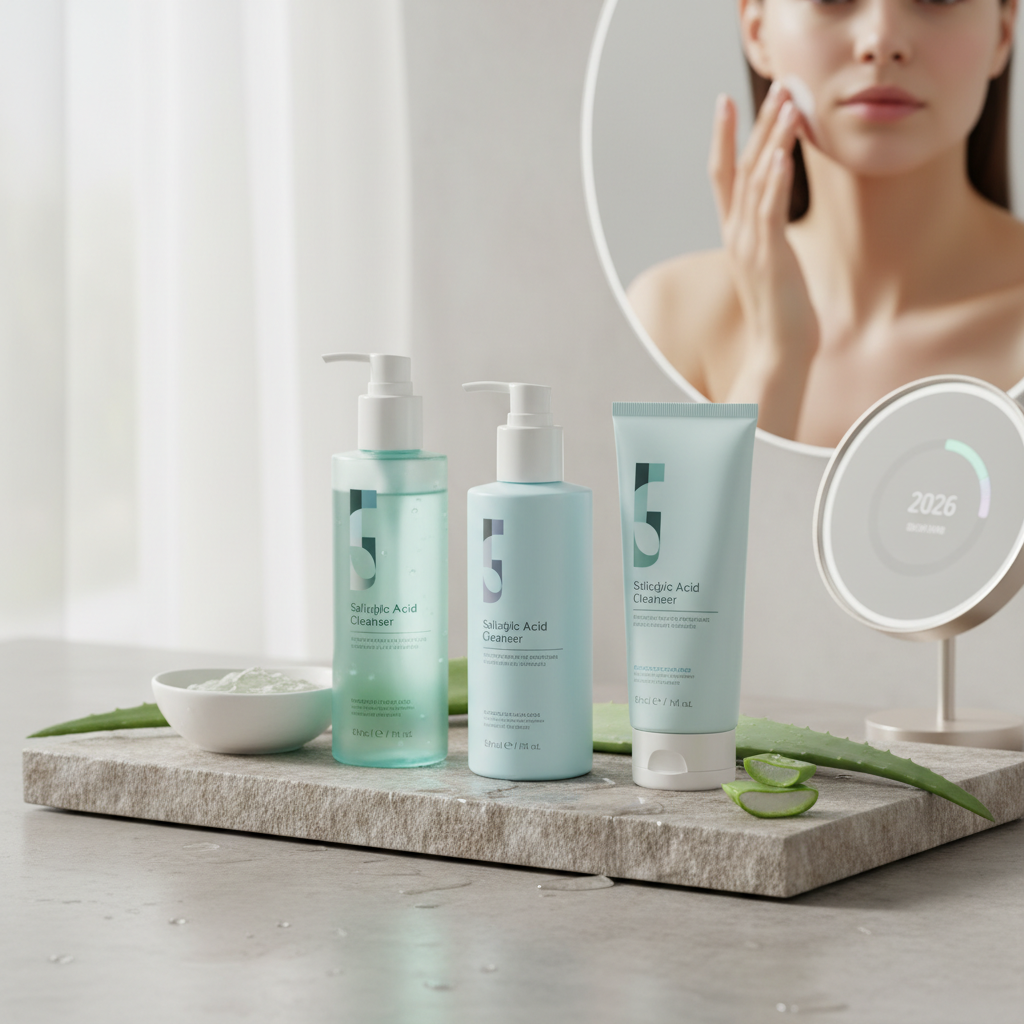
In 2026, simplifying your skincare routine by focusing on a few high-quality, evidence-backed products tailored to your specific skin needs is the most effective path to healthier, more resilient skin. Moving away from product overload reduces irritation, strengthens the skin barrier, and maximizes the efficacy of essential actives, ultimately saving time and money without compromising results.
Introduction
In an era saturated with trending ingredients, elaborate multi-step routines, and an endless stream of new product launches, the skincare landscape can feel overwhelming. For women across the United States seeking clarity and real results, 2026 marks a pivotal shift towards a “less is more” philosophy. This guide cuts through the noise, empowering you to streamline your regimen, embrace efficacy over excess, and cultivate truly radiant skin.
Why is “Less is More” the Skincare Mantra for 2026?
The beauty industry, while innovative, has often led us down a path of over-consumption. Piling on too many products, especially those with multiple active ingredients, can do more harm than good. In 2026, dermatologists and skincare experts are increasingly advocating for a simplified approach, primarily driven by a deeper understanding of the skin barrier.
A compromised skin barrier, often a result of over-exfoliation, excessive product use, or harsh ingredients, manifests as redness, sensitivity, dryness, and even breakouts. When your skin’s natural protective layer is intact, it can better defend against environmental aggressors and retain vital moisture. Simplifying your routine allows your skin to breathe, recover, and function optimally, making it more receptive to the few targeted ingredients you choose to apply.
Which Core Skincare Steps Do Dermatologists Really Recommend?
Regardless of your skin type or concerns, the foundation of any effective skincare routine remains remarkably consistent. Dermatologist consensus in 2026 continues to emphasize these four pillars:
- Cleanse: Gently remove impurities, makeup, and excess oil without stripping your skin. A clean canvas is essential for subsequent products to penetrate effectively.
- Treat: Address specific concerns like acne, aging, hyperpigmentation, or dryness with targeted active ingredients. This is where your chosen powerhouse serums come into play.
- Moisturize: Hydrate and strengthen your skin barrier. A good moisturizer locks in moisture, supports barrier function, and can contain beneficial ingredients like ceramides or hyaluronic acid.
- Protect (SPF): Shield your skin daily from harmful UV radiation, the primary cause of premature aging and skin cancer. This non-negotiable step is crucial for maintaining skin health and preserving the results of your other efforts.
What Are the Must-Have Skincare Actives and How Do They Work?
Navigating the world of active ingredients can be daunting. Here’s a breakdown of the most impactful, evidence-backed actives that deserve a place in your simplified 2026 routine:
Retinol vs. Retinal: What’s the Difference for Anti-Aging?
Retinoids are vitamin A derivatives renowned for their anti-aging and acne-fighting prowess. Retinol is a classic, widely available option that promotes cell turnover, reduces fine lines, and improves skin texture. Retinal (retinaldehyde), gaining significant traction in 2026, is a precursor to retinoic acid that converts to the active form in just one step (compared to retinol’s two steps), making it often faster-acting and potentially more potent with less irritation for some users. Both require consistent use and sun protection.
Niacinamide: The Multi-Tasking Hero for All Skin Types
Also known as Vitamin B3, Niacinamide is a true skincare workhorse. It helps to strengthen the skin barrier, reduce inflammation and redness, minimize the appearance of pores, regulate oil production, and even improve skin tone. Its versatility and gentle nature make it suitable for almost all skin types, from sensitive to oily.
Hyaluronic Acid & Ceramides: Your Skin Barrier’s Best Friends
Hyaluronic Acid (HA) is a powerful humectant that attracts and holds up to 1,000 times its weight in water, providing intense hydration and plumping the skin. Ceramides are lipids (fats) that naturally occur in the skin barrier, acting like the “mortar” between your skin cells (“bricks”). Supplementing with ceramides helps to repair and maintain a healthy, resilient skin barrier, crucial for preventing moisture loss and protecting against environmental damage.
Vitamin C: The Antioxidant Powerhouse
Vitamin C (L-Ascorbic Acid) is a potent antioxidant that neutralizes free radicals caused by UV exposure and pollution, protecting the skin from damage. It also plays a vital role in collagen synthesis, boosting firmness, and significantly brightens skin tone, fading hyperpigmentation and enhancing overall radiance.
Salicylic Acid & AHAs: Exfoliation for Clarity and Texture
Salicylic Acid (BHA – Beta Hydroxy Acid) is oil-soluble, allowing it to penetrate into pores to dissolve sebum and dead skin cells, making it highly effective for oily and acne-prone skin. It’s an FDA-approved active for acne treatment. AHAs (Alpha Hydroxy Acids) like Glycolic Acid and Lactic Acid are water-soluble and work on the skin’s surface to exfoliate dead skin cells, improving texture, tone, and reducing the appearance of fine lines. Choose based on your primary concern and skin type.
Peptides: Building Blocks for Firmer Skin
Peptides are short chains of amino acids, the building blocks of proteins like collagen and elastin. When applied topically, certain peptides can signal the skin to produce more collagen, leading to improved firmness, elasticity, and a reduction in the appearance of wrinkles. They are generally well-tolerated and can be a great addition for mature skin or those seeking preventative aging benefits.
Mineral SPF: Non-Negotiable Daily Protection
While not an “active” in the traditional sense, Mineral SPF (containing Zinc Oxide and/or Titanium Dioxide) is arguably the most important component of any routine. It creates a physical barrier on the skin’s surface, reflecting UV rays. Mineral sunscreens are often preferred for sensitive skin due to their gentle nature and broad-spectrum protection. Sunscreen reapplication science in 2026 continues to emphasize the need for consistent, generous application throughout the day, especially when outdoors.
How Can I Build a Minimalist Skincare Routine for My Skin Type?
A simplified routine doesn’t mean a one-size-fits-all approach. Tailoring your core products to your skin type ensures maximum efficacy.
For Oily/Acne-Prone Skin
- Morning: Gentle foaming cleanser, Niacinamide serum, lightweight oil-free moisturizer, broad-spectrum non-comedogenic mineral SPF.
- Evening: Gentle foaming cleanser, Salicylic Acid treatment (2-3x/week) OR Retinal/Retinol serum (3-4x/week, alternate with BHA), lightweight gel moisturizer.
For Dry/Sensitive Skin
- Morning: Creamy, hydrating cleanser, Hyaluronic Acid serum, rich barrier-supporting moisturizer (with ceramides), broad-spectrum mineral SPF.
- Evening: Creamy, hydrating cleanser, Niacinamide serum (if tolerated), richer balm-like moisturizer or facial oil. Introduce Retinol/Retinal slowly (1-2x/week) if desired, on nights without other actives.
For Combination Skin
- Morning: Gentle cleanser, Vitamin C serum (for brightening), lightweight moisturizer on oily zones, slightly richer on dry zones, broad-spectrum SPF.
- Evening: Gentle cleanser, targeted treatment (e.g., Salicylic Acid on T-zone, Niacinamide all over, Retinal 3-4x/week), balanced moisturizer.
For Mature Skin
- Morning: Hydrating cleanser, Vitamin C serum, rich moisturizer (with peptides/ceramides), broad-spectrum SPF.
- Evening: Hydrating cleanser, Retinal or prescription Tretinoin, rich anti-aging moisturizer (with peptides/ceramides).
Drugstore vs. Prestige Skincare: What’s Worth the Investment in 2026?
The notion that “expensive equals effective” is largely outdated in 2026. While prestige brands often invest heavily in research, elegant formulations, and luxurious experiences, many drugstore brands now offer highly effective, evidence-backed products with significant concentrations of key active ingredients. The FDA regulates drug claims, but cosmetic claims have broader leeway. Look for products that clearly list active ingredient percentages or concentrations, rather than relying solely on brand reputation or price tag.
| Product Category | Drugstore Option (Example) | Prestige Option (Example) | Key Active(s) | Benefit Focus |
|---|---|---|---|---|
| Retinoid Serum | Olay Regenerist Retinol24 Max Serum | SkinCeuticals 0.3 Retinol Cream | Retinol, Niacinamide | Anti-aging, texture, firmness |
| Vitamin C Serum | L’Oréal Revitalift Derm Intensives 10% Pure Vitamin C Serum | Drunk Elephant C-Firma Fresh Day Serum | L-Ascorbic Acid, Ferulic Acid | Antioxidant protection, brightening, collagen support |
| Hydrating Moisturizer | CeraVe Moisturizing Cream | Augustinus Bader The Cream | Ceramides, Hyaluronic Acid | Skin barrier repair, deep hydration |
| Acne Treatment | Paula’s Choice 2% BHA Liquid Exfoliant | Sunday Riley U.F.O. Ultra-Clarifying Face Oil | Salicylic Acid | Pore clearing, breakout prevention |
| Mineral SPF | EltaMD UV Clear Broad-Spectrum SPF 46 | Supergoop! Mineral Sheer Screen SPF 30 | Zinc Oxide, Titanium Dioxide | Sun protection, sensitive skin |
Ultimately, the “best” product is one that contains effective ingredients, is well-formulated, suits your skin type, and fits your budget. Don’t be swayed by marketing hype; read ingredient lists and look for reputable brands, whether high-end or accessible.
Beyond Products: Integrating Dermal-Grade Tools and Sunscreen Reapplication in Your Simplified Routine
While the focus is on fewer products, 2026 has seen an integration of smart, at-home tools and refined practices that complement a minimalist routine without overcomplicating it.
Smart At-Home Tools: A Focused Approach
Dermal-grade at-home tools, such as LED masks (for collagen stimulation or acne treatment) or microcurrent devices (for facial toning), can offer synergistic benefits. However, they should be used judiciously and not as a replacement for foundational skincare. Choose one tool to address a specific concern, rather than collecting many. For example, a red light LED mask used a few times a week can enhance the effects of your retinoid serum for anti-aging, but it’s an add-on, not a core step.
The Evolving Science of Sunscreen Reapplication
The understanding of sunscreen efficacy continues to evolve. In 2026, the emphasis isn’t just on applying SPF in the morning, but on consistent reapplication. New formats like SPF mists, powders, and sticks make reapplication over makeup or throughout the day more convenient. Aim to reapply your broad-spectrum SPF every two hours when exposed to direct sunlight, or after swimming or excessive sweating. This simple, consistent habit is paramount for long-term skin health.
Here are 5-7 tips for truly simplifying your routine and avoiding common pitfalls:
- Listen to Your Skin: Pay attention to how your skin reacts. Redness, irritation, or increased breakouts are signs you might be doing too much or using the wrong products.
- Introduce Actives Slowly: When adding a new active (especially retinoids or acids), start with a low concentration and use it 2-3 times a week, gradually increasing frequency as your skin tolerates.
- Patch Test: Always test new products on a small, inconspicuous area of skin (like behind the ear or on the inner arm) for a few days before applying to your entire face.
- Be Patient: Skincare results take time. Give new products at least 4-6 weeks to show their full effects before deciding if they work for you.
- Store Products Properly: Protect your active ingredients by storing them in a cool, dark place, away from direct sunlight and extreme temperatures, especially Vitamin C and retinoids.
- Focus on Quality, Not Quantity: Invest in a few well-formulated products with proven ingredients rather than a cabinet full of mediocre ones.
- Consult a Dermatologist: If you have persistent skin concerns or are unsure about product combinations, a board-certified dermatologist can provide personalized, expert advice.
Frequently Asked Questions
How do I know if I’m over-complicating my routine?
Signs of an over-complicated routine include persistent redness, dryness, flakiness, increased sensitivity, new breakouts, or a feeling of tight, uncomfortable skin. If your skin feels irritated or if you’re using more than 5-7 products consistently, it’s a good indicator to pare back.
Can I use different active ingredients together?
Some actives, like Niacinamide and Hyaluronic Acid, are generally safe to combine. However, combining potent exfoliants (AHAs/BHAs) with retinoids can lead to irritation. It’s often best to alternate these powerful actives on different nights or use one in the morning and one in the evening, ensuring your skin tolerates each individually first.
What’s the deal with “clean beauty” in 2026?
The “clean beauty” movement in 2026 is evolving, with consumers still seeking transparency and products free from certain ingredients. However, dermatologists emphasize that “natural” doesn’t always mean “safer” or “more effective,” and “synthetic” doesn’t mean “bad.” Focus on evidence-backed ingredients and formulations rather than marketing terms, and look for products that are well-tolerated by your skin.
How long does it take to see results from a simplified routine?
While some changes, like reduced irritation or increased hydration, might be noticeable within days or a week, more significant improvements in texture, tone, or fine lines typically take 4-6 weeks of consistent use, as it aligns with your skin’s natural cell turnover cycle. Be patient and consistent.
Is mineral SPF always better than chemical SPF?
Neither is inherently “better”; both offer effective sun protection. Mineral sunscreens (zinc oxide, titanium dioxide) create a physical barrier and are often recommended for sensitive skin due to their gentle nature. Chemical sunscreens absorb UV rays and convert them to heat. The best SPF is the one you will consistently apply generously and reapply throughout the day.
Conclusion
In 2026, the path to radiant, healthy skin for women in the US is clearer than ever: simplify. By embracing a minimalist approach focused on core steps and potent, evidence-backed active ingredients tailored to your specific needs, you can achieve superior results without the confusion, irritation, or expense of an overly complex regimen. Empower your skin to thrive by giving it exactly what it needs, and nothing more.