TL;DR: Supergoop! remains a strong contender in 2026 for its innovative textures and user-friendly formulas, especially for those prioritizing cosmetic elegance. While excellent for daily wear and boosting compliance, its premium price point and reliance on chemical filters mean savvy consumers should weigh their skin type, specific needs, and budget against a broader spectrum of advanced mineral and hybrid options now available.
Introduction
In the ever-evolving landscape of skincare, sunscreen stands as the undisputed champion for preventing premature aging and protecting skin health. But with countless brands vying for attention, one name consistently surfaces in conversations and online searches: Supergoop! As we navigate 2026, the question persists: is this cult-favorite brand truly worth the hype, or are there newer, more effective, or better-value alternatives emerging?
What Makes SPF So Critical in 2026?
The understanding of sun protection has significantly deepened by 2026. It’s no longer just about preventing sunburn; it’s about holistic skin health. Daily, broad-spectrum SPF is recognized as the single most impactful step against photoaging, hyperpigmentation, and the risk of skin cancers. Beyond UV, the conversation has expanded to include protection against visible light, particularly blue light emitted from screens, and environmental pollutants. These external aggressors can generate free radicals, leading to collagen degradation and exacerbating concerns like melasma. Integrating antioxidants like Vitamin C (a powerful antioxidant that neutralizes free radicals and brightens skin) into your morning routine before SPF creates a synergistic defense, enhancing overall protection against environmental damage. The focus on preserving the skin barrier has also amplified, with many 2026 SPF formulations now incorporating barrier-supporting ingredients to minimize irritation and maintain skin resilience.
Deciphering Supergoop!’s Appeal: What Sets It Apart?
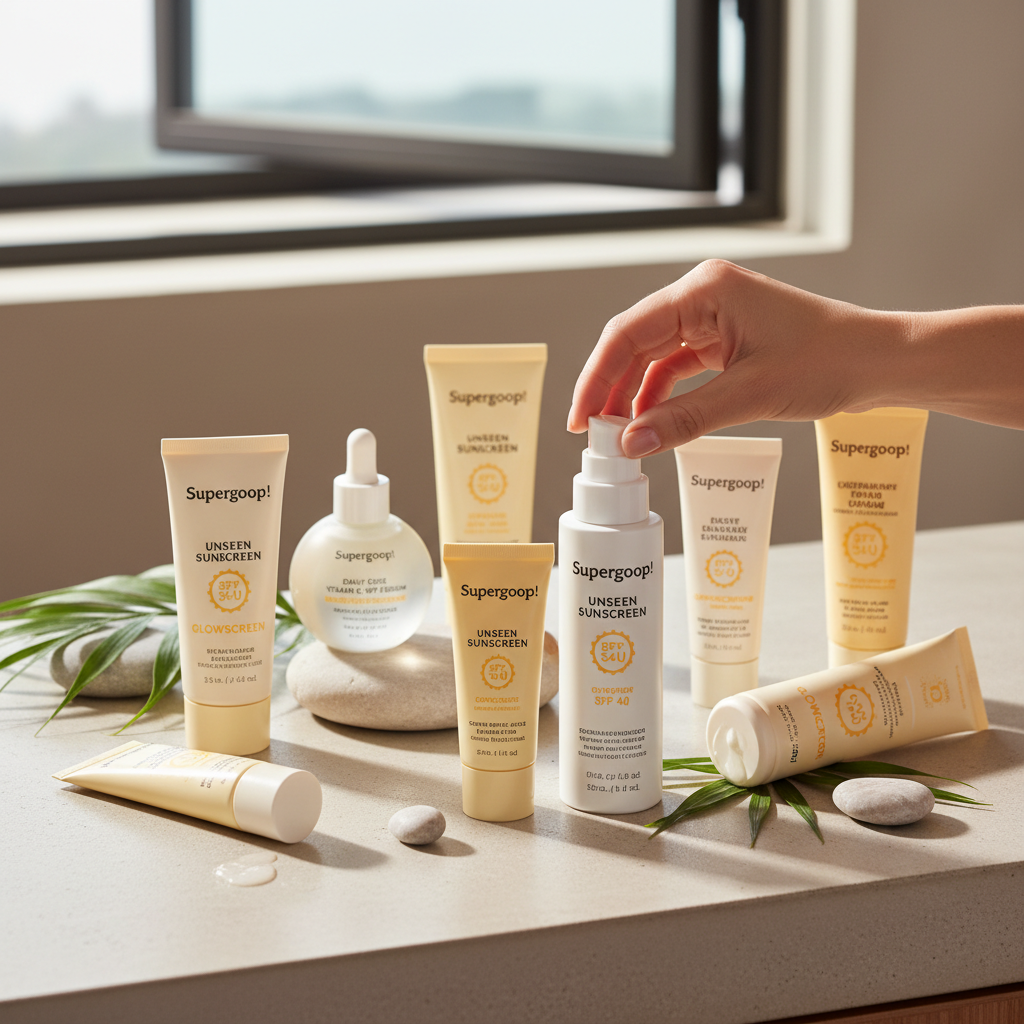
Supergoop! carved out its niche by making sunscreen *desirable*. Historically, SPFs were often thick, greasy, and left a noticeable white cast, deterring daily use. Supergoop! revolutionized this with textures that feel more like skincare than traditional sunscreen. Products like the “Unseen Sunscreen” boast a clear, primer-like finish, making it virtually undetectable under makeup – a game-changer for many women. Their innovative formats, from hydrating lotions to setting powders and stick applicators, address various reapplication needs and preferences.
The brand primarily utilizes chemical UV filters such as avobenzone, homosalate, octinoxate, and octisalate. These filters work by absorbing UV radiation and converting it into heat, which is then released from the skin. While effective, the discussion around chemical filters continues, particularly regarding their potential for skin sensitivity in some individuals, though they are generally considered safe and FDA-approved. Supergoop! has notably committed to being oxybenzone and octinoxate-free, addressing some common concerns about certain chemical filters. Their formulations often include a cocktail of plant extracts and antioxidants, aiming to provide additional skin benefits beyond UV protection, which contributes to their “clean” and health-conscious marketing. However, the core differentiator remains their unmatched cosmetic elegance, which significantly boosts user compliance – a critical factor, as the best sunscreen is the one you *actually* use every day.
Mineral vs. Chemical SPF: Which Is Right for You in 2026?
The choice between mineral and chemical SPF has always been a key discussion point, and in 2026, both categories have seen significant advancements.
Mineral sunscreens, containing active ingredients like zinc oxide and titanium dioxide, work by physically blocking and scattering UV rays. Zinc oxide, in particular, offers broad-spectrum protection against both UVA and UVB rays and is known for its anti-inflammatory properties, making it an excellent choice for sensitive, acne-prone, or mature skin. Titanium dioxide offers strong UVB protection but is less effective against UVA. Newer mineral formulations have largely overcome the dreaded white cast, utilizing micronized or non-nano particles that blend seamlessly.
Chemical sunscreens, as mentioned, absorb UV radiation. The FDA-approved chemical filters include avobenzone, homosalate, octisalate, octinoxate, oxybenzone, and others. While Supergoop! has moved away from oxybenzone and octinoxate, other chemical filters are widely used. Their advantage lies in their typically lighter textures and clear finishes, which are highly desirable for daily wear, especially under makeup.
The “right” choice often comes down to individual skin type and preferences:
* Sensitive Skin: Often leans towards mineral SPFs (zinc oxide) due to their gentler nature.
* Oily/Acne-Prone Skin: May prefer lightweight, non-comedogenic chemical or hybrid formulas, or mattifying mineral options.
* Dry/Mature Skin: Benefits from hydrating formulas, which can be found in both mineral and chemical categories, often with added actives like hyaluronic acid (a humectant that draws moisture into the skin) or ceramides (lipids that help form the skin’s barrier and retain moisture).
* Combination Skin: Can often use either, depending on specific concerns in different areas of the face.
Many brands are also offering **hybrid formulations** in 2026, combining both mineral and chemical filters to leverage the best of both worlds: broad-spectrum protection with an elegant, wearable texture.
Here’s a comparative look at popular SPF types available in 2026:
| SPF Type/Product Example | Primary Filter Type | Key Benefits | Ideal Skin Type | Common Finish |
|---|---|---|---|---|
| Supergoop! Unseen Sunscreen | Chemical (Avobenzone, Homosalate, Octisalate) | Clear, primer-like finish; no white cast; good under makeup. | All, especially oily/combination, makeup wearers. | Velvety, matte |
| Popular Mineral Zinc Oxide SPF | Mineral (Zinc Oxide) | Broad-spectrum, gentle, anti-inflammatory, reef-safe options. | Sensitive, acne-prone, post-procedure. | Natural to slightly dewy (modern formulas) |
| Drugstore Chemical SPF Lotion | Chemical (Various combos) | Affordable, lightweight, readily available, broad-spectrum. | All (patch test for sensitivity). | Sheer, natural |
| Advanced Hybrid SPF Serum | Mineral & Chemical (e.g., Zinc Oxide + Avobenzone) | High protection, often includes antioxidants/skin conditioners, elegant texture. | All, seeking comprehensive care. | Dewy to natural |
Beyond the Bottle: Optimizing Your SPF Routine for Maximum Protection
Even the best SPF won’t work if not applied correctly or consistently. In 2026, the science of sunscreen reapplication has become more refined. It’s not just about applying once in the morning; it’s about maintaining protection throughout the day, especially if you’re outdoors, sweating, or swimming.
Here are key strategies to optimize your SPF routine:
- Apply Generously: The “two-finger rule” (applying a line of sunscreen to your index and middle fingers) is a good guideline for facial application. Most people under-apply, significantly reducing the stated SPF.
- Reapply Every Two Hours: This is the golden rule, especially when exposed to direct sunlight, after sweating heavily, or swimming. If you’re mostly indoors, once in the morning and a midday refresh is often sufficient.
- Layer with Antioxidants: Boost your defense by applying a Vitamin C serum or product containing Niacinamide (a versatile vitamin B3 that improves skin barrier function, reduces inflammation, and minimizes pores) underneath your SPF. They work synergistically to neutralize free radicals.
- Don’t Forget Exposed Areas: Extend SPF to your neck, décolletage, ears, and hands. These areas show signs of aging just as readily as your face.
- Consider SPF in Makeup as a Bonus, Not Primary: While SPF in foundations or powders is helpful, it’s rarely applied in sufficient quantity to provide adequate standalone protection. Use it as a supplemental layer over a dedicated SPF.
- Use Innovative Reapplication Tools: Sprays, sticks, and brush-on powders (like Supergoop!’s) are excellent for on-the-go reapplication without disturbing makeup.
- Protect Against Blue Light: Look for SPFs that mention blue light protection, often achieved through ingredients like iron oxides or specific plant extracts.
Understanding Key SPF-Boosting Actives and Trends in 2026
Modern skincare is all about synergy. SPF is foundational, but pairing it with the right actives can elevate your skin health.
* Skin Barrier Focus: A robust skin barrier is crucial for healthy skin. Many 2026 SPF formulations now include ingredients like ceramides, hyaluronic acid, and niacinamide to support barrier function, ensuring your skin is less reactive and better able to withstand environmental stressors.
* Retinal vs. Retinol: While retinol (a Vitamin A derivative that boosts cell turnover and collagen production) remains a skincare staple, retinal (retinaldehyde), a more potent precursor to retinoic acid, is gaining traction for its faster results with potentially less irritation. Both make your skin more sensitive to the sun, underscoring the non-negotiable need for diligent daily SPF application. They should generally be used in the evening.
* Peptides: These short chains of amino acids are the building blocks of proteins like collagen and elastin. SPFs or serums containing peptides can help signal the skin to produce more collagen, improving firmness and reducing the appearance of wrinkles, working hand-in-hand with SPF to combat signs of aging.
* AHAs (Alpha Hydroxy Acids) and Salicylic Acid: While not directly SPF-boosting, these exfoliants (AHAs like glycolic acid exfoliate the skin surface, improving texture; salicylic acid is a beta hydroxy acid that exfoliates inside pores, ideal for acne-prone skin) increase skin’s sun sensitivity. This makes daily, broad-spectrum SPF an even more critical step when incorporating these actives into your routine.
* Dermal-Grade At-Home Tools: The rise of at-home devices like LED masks, microcurrent tools, and even low-level laser devices means more people are actively stimulating their skin. While these tools don’t directly interact with SPF, they emphasize a proactive approach to skin health where daily SPF is the ultimate protective measure for maintaining the benefits achieved.
Frequently Asked Questions
Is Supergoop! suitable for sensitive skin?
Supergoop! is generally well-tolerated, and many of their products are formulated without common irritants like fragrance. However, since they primarily use chemical filters, individuals with very sensitive or reactive skin might find mineral SPFs (zinc oxide, titanium dioxide) to be a gentler option. Always perform a patch test if you have known sensitivities.
Can I rely on SPF in my makeup for full protection?
While SPF in foundation, tinted moisturizers, or powders offers a degree of protection, it’s rarely sufficient as your primary defense. To achieve the stated SPF on the label, you’d need to apply a much larger quantity of makeup than most people typically use. It’s best to layer a dedicated, broad-spectrum SPF underneath your makeup and use SPF-containing makeup as an added bonus.
How much Supergoop! or any SPF should I apply to my face?
For adequate protection, aim for about a quarter teaspoon for your face alone, or follow the “two-finger rule” – dispensing a line of sunscreen on your index and middle fingers. Remember to extend application to your neck and ears.
Does Supergoop! protect against blue light?
Some Supergoop! formulations, particularly their mineral-based options or those containing specific plant extracts, do offer protection against blue light. Look for specific claims on the product packaging. Iron oxides, often found in tinted mineral sunscreens, are also effective at blocking visible light, including blue light.
Is Supergoop! worth the prestige price tag compared to drugstore options?
Supergoop!’s premium price often reflects its innovative, cosmetically elegant textures and unique formulations that encourage consistent daily use. While many excellent drugstore SPFs offer comparable broad-spectrum protection, they may not always match Supergoop!’s “invisible” feel or diverse product range. The “worth” depends on your priorities: if texture, finish, and wearability are paramount for compliance, Supergoop! can be a worthwhile investment. If budget is a primary concern, many FDA-approved drugstore options provide excellent protection.
Conclusion
In 2026, Supergoop! undeniably holds its ground as a leading force in the SPF market. Its commitment to making sunscreen a pleasure to wear has reshaped daily skincare routines for many. While its chemical filter-heavy formulations and prestige pricing may not suit every skin type or budget, the brand excels in delivering cosmetically elegant, user-friendly options that significantly boost compliance. Ultimately, for those who struggle with traditional sunscreens and seek an invisible, comfortable daily shield, Supergoop! remains a highly recommended and often “worth the hype” choice, especially when integrated into a comprehensive, evidence-informed skincare regimen.