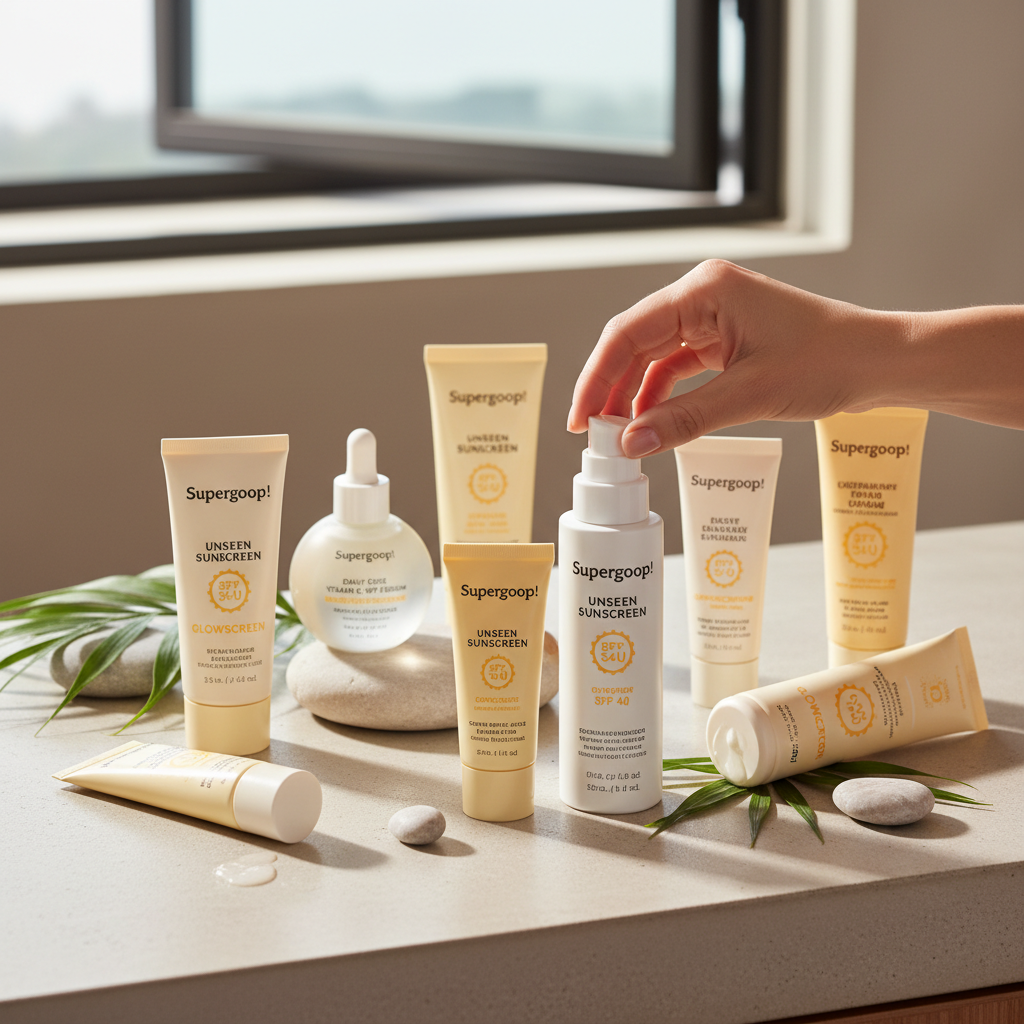
Spot treating a pimple without causing further irritation hinges on gentle application of targeted, proven actives like salicylic acid or benzoyl peroxide, prioritizing your skin barrier, and resisting the urge to pick. The key is to address the blemish effectively while simultaneously nurturing the surrounding skin to prevent inflammation, dryness, and post-inflammatory marks.
Introduction
There it is – that unwelcome guest, making its debut just when you least expect it. A pimple. Our immediate instinct might be to attack it with everything we’ve got, but the truth is, aggressive tactics often lead to more harm than good. In 2026, with our understanding of skin science more refined than ever, the focus is on smart, targeted intervention that respects your skin’s delicate balance. Let’s explore how to effectively banish blemishes without inviting irritation, dryness, or lingering redness.
What’s the Best First Step When a Pimple Appears?
Before you reach for any product, the first and most crucial step is to gently cleanse the area. Use a mild, pH-balanced cleanser that won’t strip your skin of its natural oils or disrupt its barrier. Avoid harsh scrubbing, which can exacerbate inflammation and spread bacteria. After cleansing, gently pat your skin dry with a clean towel. Take a moment to assess the pimple: Is it a small whitehead, a painful cyst, or a surface-level pustule? This assessment will guide your choice of treatment.
Which Ingredients Actually Work for Targeted Blemish Control?
When it comes to effective spot treatments, certain ingredients have stood the test of time and science. These are the workhorses you want in your skincare arsenal, each with a unique mechanism of action.
Salicylic Acid (BHA)
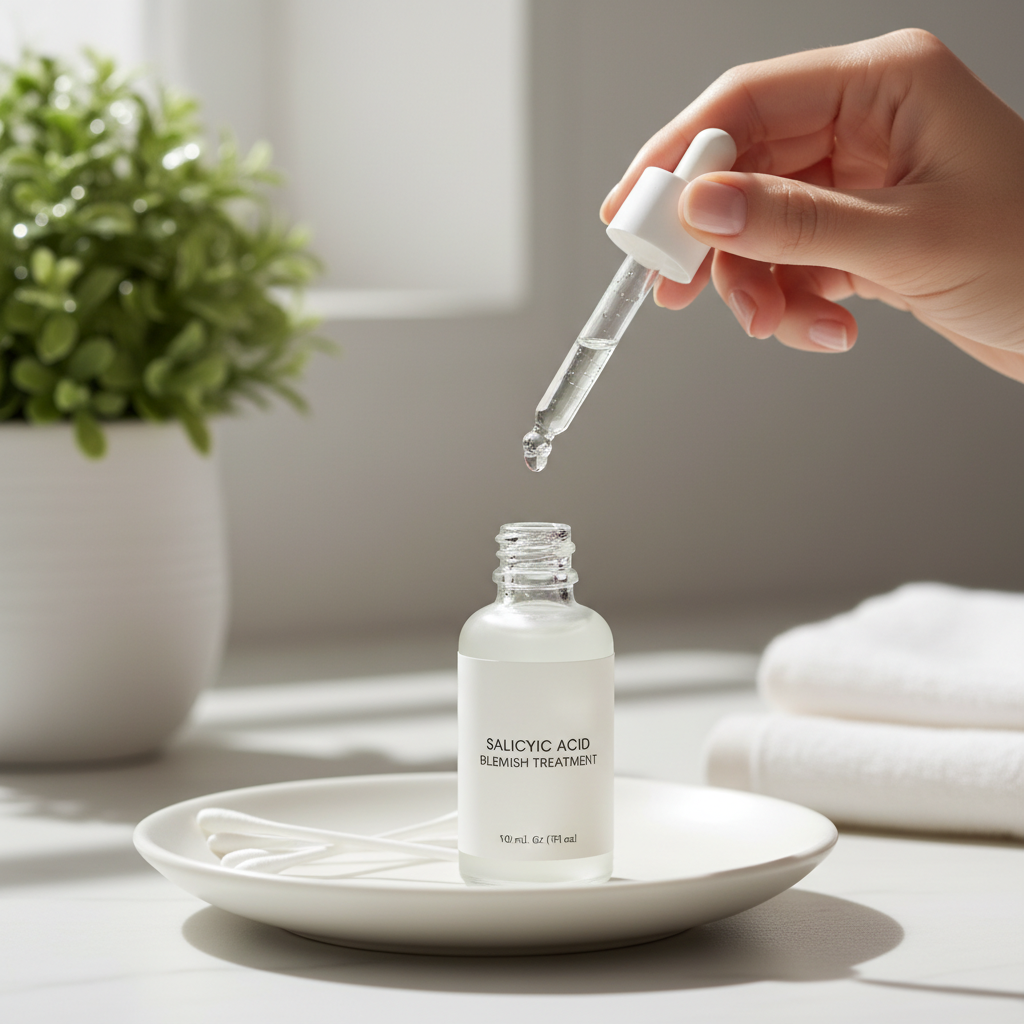
A beta-hydroxy acid, salicylic acid is oil-soluble, meaning it can penetrate deep into pores to dissolve sebum and dead skin cells. This makes it particularly effective for blackheads, whiteheads, and mild inflammatory acne. It also has anti-inflammatory properties, helping to calm redness.
Benzoyl Peroxide (BP)
An FDA-approved active, benzoyl peroxide is a potent antibacterial agent that kills acne-causing bacteria (P. acnes) on and within the skin. It also helps to shed dead skin cells. BP is highly effective for inflammatory acne (red, painful pimples) but can be drying and irritating, so start with lower concentrations (2.5-5%) and use sparingly.
Sulfur
Sulfur has been used for centuries for its antimicrobial and keratolytic (exfoliating) properties. It helps to dry out the surface of pimples and absorb excess oil. It’s often found in mask or overnight spot treatment formulations and is generally well-tolerated, though it does have a distinct scent.
Hydrocolloid Patches
These innovative patches aren’t traditional “actives” in the chemical sense, but they are incredibly effective. Hydrocolloid creates a moist healing environment, drawing out fluid and impurities from the pimple while protecting it from external bacteria and picking. They also help flatten the blemish overnight and can reduce the risk of post-inflammatory hyperpigmentation.
Niacinamide (Vitamin B3)
While not a direct spot treatment for active pimples, niacinamide is a powerhouse for overall skin health and can significantly support blemish recovery. It helps reduce inflammation, minimize redness, regulate oil production, and strengthen the skin barrier. Incorporating it into your routine can reduce breakout frequency and severity over time.
How Do I Choose the Right Spot Treatment for My Skin Type?
Your skin type plays a crucial role in determining which spot treatment will be most effective and least irritating.
Oily and Acne-Prone Skin
Those with oily and acne-prone skin often tolerate stronger actives. Salicylic acid is excellent for daily exfoliation and preventing clogged pores, while benzoyl peroxide can tackle inflammatory breakouts. Consider a combination approach, using SA for general pore maintenance and BP for specific inflamed spots.
Dry and Sensitive Skin
For dry and sensitive skin types, irritation is a major concern. Opt for lower concentrations of actives, or gentler alternatives. Hydrocolloid patches are often ideal as they are non-drying and protective. Sulfur can also be a good option as it’s typically less irritating than BP. Look for formulations that include soothing ingredients like ceramides or hyaluronic acid.
Combination Skin
Combination skin benefits from a strategic approach. You might use a salicylic acid-based treatment in oilier, breakout-prone zones and a gentler option or hydrocolloid patch on drier areas or for more sensitive blemishes.
Mature Skin
Mature skin, while still susceptible to breakouts, may also experience increased dryness and sensitivity. Focus on treatments that are less harsh. Hydrocolloid patches are excellent. Ingredients like azelaic acid can also be beneficial for both acne and hyperpigmentation, often with less irritation than other strong actives. Gentle retinoids, like retinaldehyde, used consistently can help with both acne and anti-aging concerns, but these are preventative rather than acute spot treatments.
Are There Any Ingredients or Practices I Should Avoid When Spot Treating?
Absolutely. The goal is healing, not further damage. Avoid these common pitfalls:
- High Concentrations of Alcohol: While it might feel like it’s “drying out” the pimple, alcohol strips the skin’s natural oils, compromises the barrier, and can lead to rebound oiliness and increased irritation.
- Harsh Physical Exfoliants: Scrubs with large, irregular particles can tear the skin, spread bacteria, and worsen inflammation, especially on active breakouts.
- Strong Fragrance and Dyes: These are common irritants, particularly for sensitive or inflamed skin. Opt for fragrance-free formulations.
- Toothpaste: This old wives’ tale is a recipe for disaster. Toothpaste contains ingredients like fluoride, menthol, and baking soda that are highly irritating, drying, and can cause chemical burns or severe allergic reactions.
- Picking, Squeezing, or Popping: This is perhaps the most critical rule. Manipulating a pimple can push bacteria deeper, cause scarring, lead to post-inflammatory hyperpigmentation (PIH), and prolong healing. Resist the urge!
What Role Does the Skin Barrier Play in Successful Spot Treatment?
The skin barrier, our outermost layer, is our first line of defense against irritants, pathogens, and moisture loss. When spot treating, especially with potent actives, it’s easy to compromise this barrier, leading to dryness, redness, and even more breakouts. A healthy skin barrier is crucial for effective healing and preventing further irritation. Ingredients like ceramides, hyaluronic acid, and niacinamide are excellent for supporting barrier function. Ensure your overall routine includes barrier-supportive products, and don’t over-apply spot treatments, which can overwhelm the barrier.
Can At-Home Tools Help, or Will They Just Cause More Irritation?
The landscape of at-home skincare tools has expanded significantly by 2026, offering sophisticated options previously only found in dermatologists’ offices. However, caution is key when dealing with active breakouts.
- LED Devices: Red and blue light therapy devices are generally safe and can be beneficial. Blue light targets acne-causing bacteria, while red light reduces inflammation and promotes healing. Use these as directed, ensuring they are FDA-cleared.
- High-Frequency Wands: These tools generate a low-level electrical current that creates ozone, which has antibacterial properties. They can be used gently on individual blemishes to reduce bacteria and inflammation.
- Microcurrent/Micro-needling: These are generally NOT recommended for active breakouts, as they can spread bacteria, cause irritation, and worsen inflammation. Save these for skin texture and anti-aging concerns on clear skin.
- Extraction Tools: Self-extraction with comedone extractors or fingers is highly discouraged. Improper technique can lead to scarring, infection, and deeper inflammation. Leave extractions to a professional dermatologist or esthetician.
How Do I Prevent Post-Inflammatory Hyperpigmentation (PIH) After a Breakout?
Preventing those lingering dark spots (PIH) after a pimple heals is just as important as treating the pimple itself. This is where a holistic approach shines.
- Don’t Pick! This is the number one rule for preventing PIH and scarring.
- Sunscreen is Non-Negotiable: UV exposure darkens existing PIH and makes new spots more likely. Use a broad-spectrum mineral SPF 30+ daily, even indoors, and reapply every two hours when outdoors. Zinc oxide and titanium dioxide are excellent choices.
- Incorporate Brightening Actives: Once the active inflammation subsides, introduce ingredients like Vitamin C (an antioxidant that inhibits melanin production), Niacinamide (reduces pigment transfer), Azelaic Acid (targets pigment and inflammation), and Alpha Hydroxy Acids (AHAs like glycolic or lactic acid, which gently exfoliate to fade surface discoloration).
- Gentle Exfoliation: Regular, gentle exfoliation helps shed pigmented cells. Salicylic acid (BHA) can also help with this, as well as prevent future breakouts.
Drugstore vs. Prestige: Is One Better for Spot Treatments?
In 2026, the lines between drugstore and prestige skincare continue to blur, especially when it comes to effective actives. The truth is, efficacy isn’t dictated by price tag or brand name; it’s about the formulation and the concentration of proven active ingredients.
Many highly effective, FDA-approved active ingredients like salicylic acid and benzoyl peroxide are widely available in affordable drugstore formulations. Often, prestige brands might offer more elegant textures, additional botanical extracts, or unique delivery systems, but these don’t necessarily make them more effective for the core task of spot treating a pimple. Always check the ingredient list and focus on the percentage of the active ingredient. A well-formulated, affordable product can be just as, if not more, effective than a luxury counterpart if it contains the right actives at the right concentration.
| Treatment Type | Key Active(s) | Best For | Potential Irritation | 2026 Trend Relevance |
|---|---|---|---|---|
| Salicylic Acid Gel/Serum | Salicylic Acid (BHA) | Blackheads, whiteheads, mild breakouts, oily skin | Low to Moderate (can be drying if overused) | Pore health, gentle exfoliation |
| Benzoyl Peroxide Cream | Benzoyl Peroxide (BP) | Inflamed pimples, pustules, cystic acne (targeted) | Moderate to High (drying, bleaching, redness) | Targeted antimicrobial action |
| Hydrocolloid Patch | Hydrocolloid | Any type of pimple (especially picked/ruptured), protecting, speeding healing | Very Low (physical barrier, non-drying) | Skin barrier support, “invisible” treatment |
| Sulfur Mask/Cream | Sulfur | Whiteheads, drying out surface oil, sensitive skin | Low (can be slightly drying, distinct smell) | Gentle alternative, oil absorption |
| Azelaic Acid Cream | Azelaic Acid | Inflamed pimples, PIH, rosacea-prone acne, sensitive skin | Low to Moderate (mild tingling possible) | Multi-tasking, anti-inflammatory, brightening |
Frequently Asked Questions
Can I use multiple spot treatments at once?
Generally, it’s best to stick to one spot treatment at a time for a specific blemish to avoid overwhelming your skin and causing irritation. Layering actives like benzoyl peroxide and salicylic acid directly on the same spot can lead to excessive dryness, redness, and compromised skin barrier. If you feel the need for multiple actives, consider using them on alternate days or different areas of the face, always monitoring your skin’s reaction.
How long does a spot treatment take to work?
The time it takes for a spot treatment to work varies depending on the type and severity of the pimple, as well as the active ingredient used. Hydrocolloid patches can show results overnight, flattening a blemish. Salicylic acid and benzoyl peroxide might show improvement within 1-3 days for smaller pimples, but larger, deeper lesions could take longer. Consistency and patience are key.
Is it ever okay to pop a pimple if I’m really careful?
No, it is almost never okay to pop a pimple yourself, even if you try to be careful. The risks far outweigh any perceived benefits. Popping can push bacteria deeper into the skin, leading to more inflammation, infection, delayed healing, and significantly increases the risk of permanent scarring and post-inflammatory hyperpigmentation. Leave extractions to a trained dermatologist or esthetician.
When should I see a dermatologist for my breakouts?
You should consider seeing a dermatologist if your breakouts are persistent, severe (cystic or nodular acne), painful, leaving scars or dark spots, or if over-the-counter treatments aren’t providing adequate relief after several weeks. A dermatologist can diagnose the specific type of acne, prescribe stronger topical or oral medications, and offer in-office treatments like chemical peels, laser therapy, or extractions.
Can diet affect breakouts?
While the link between diet and acne is complex and varies greatly among individuals, emerging research suggests that certain dietary patterns can influence breakouts for some people. High glycemic index foods (refined carbs, sugary drinks) and dairy products have been implicated by some studies, potentially due to their impact on hormones and inflammation. Focus on a balanced diet rich in fruits, vegetables, and whole grains, and observe if certain foods consistently trigger your breakouts. It’s not a direct cause-and-effect for everyone, but it’s worth considering as part of a holistic approach to skin health.
Conclusion
Effectively spot treating a pimple without causing further irritation is a nuanced art, requiring patience, knowledge, and a gentle touch. By understanding your skin type, choosing the right evidence-backed active ingredients, prioritizing your skin barrier, and diligently avoiding harsh practices like picking, you can confidently tackle breakouts. Remember, healthy skin is a journey, not a sprint, and treating blemishes wisely is a crucial step towards achieving a clear, calm, and resilient complexion.