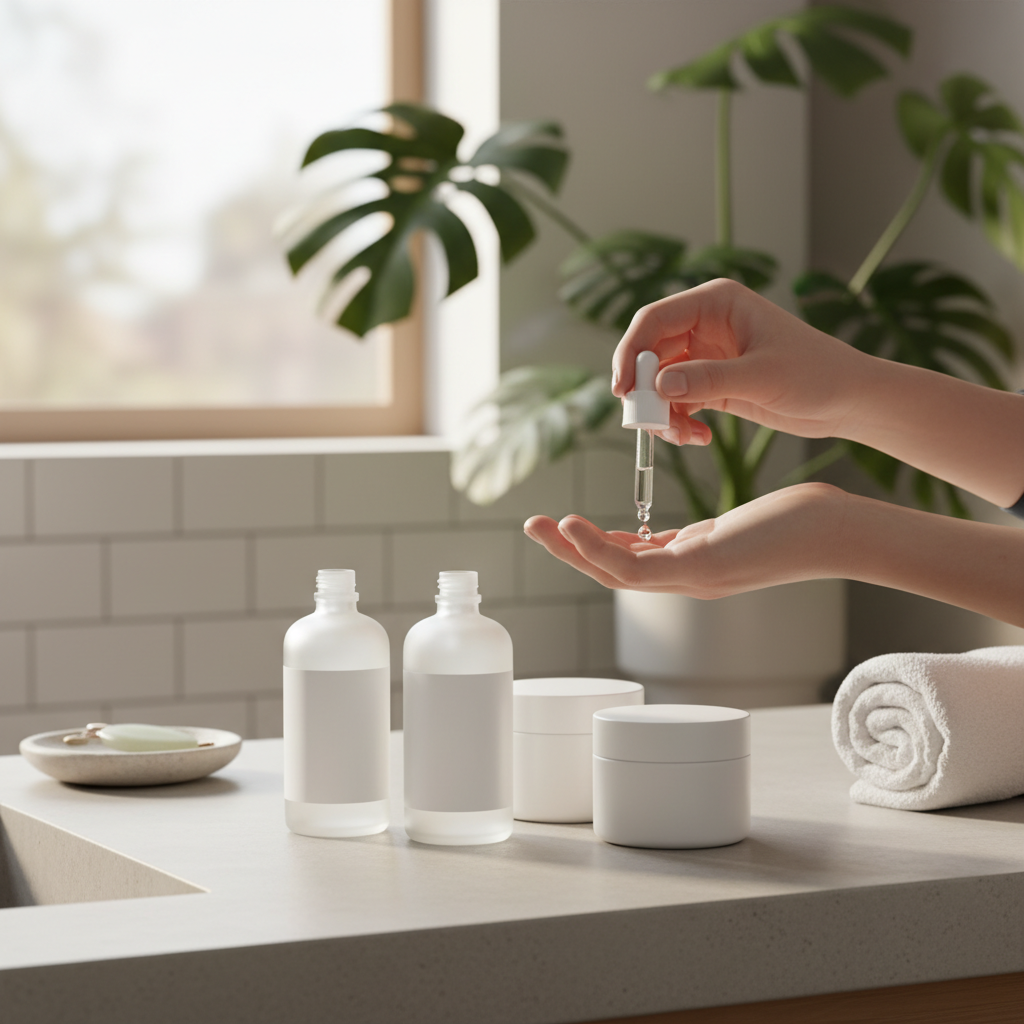
A full 10-step K-Beauty routine isn’t a universal requirement for achieving healthy, radiant skin in the US, nor is it always practical for busy American lifestyles. While the foundational principles of hydration, layering, and gentle care are immensely beneficial, the true power lies in intelligently adapting these concepts to your unique skin type and daily schedule, prioritizing effectiveness over sheer number of steps.
Introduction
For years, K-Beauty has captivated the American skincare landscape, promising glass skin and an almost ritualistic approach to complexion care. The iconic 10-step routine, with its meticulous layering and innovative ingredients, became a global phenomenon. But as we navigate 2026, with ever-evolving skincare science and increasingly demanding schedules, a crucial question emerges: Is this extensive regimen truly the right fit for your US lifestyle, or is it time to distill its wisdom into something more personalized and practical?
What Exactly *Is* a Traditional 10-Step K-Beauty Routine?
At its heart, the 10-step K-Beauty routine is a philosophy built on prevention, hydration, and meticulous layering. It emphasizes treating the skin with respect, focusing on nourishment rather than harsh correction. While variations exist, the core sequence generally looks like this:
- Oil Cleanser: Dissolves oil-based impurities like makeup, sunscreen, and sebum.
- Water-Based Cleanser: Removes remaining impurities, sweat, and dirt.
- Exfoliator: Gently sloughs off dead skin cells (1-3 times a week).
- Toner: Balances pH, preps skin for absorption, and adds a first layer of hydration.
- Essence: A lightweight, concentrated liquid that delivers hydration and active ingredients.
- Serum/Ampoule: Highly concentrated treatments targeting specific concerns (e.g., brightening, anti-aging, acne).
- Sheet Mask: Delivers a concentrated dose of serum (2-3 times a week).
- Eye Cream: Hydrates and treats the delicate skin around the eyes.
- Moisturizer: Seals in all previous layers, providing barrier support and hydration.
- Sun Protection (SPF): The non-negotiable final step for daytime, protecting against UV damage.
The philosophy behind this isn’t just about product application; it’s about a mindful approach, allowing each layer to absorb and deliver its benefits.
Why Did K-Beauty Routines Become So Popular in the US?
The allure of K-Beauty in the US stems from several compelling factors. American consumers, traditionally accustomed to more aggressive, single-product solutions, were introduced to a gentler, more holistic approach. K-Beauty emphasized:
- Innovative Ingredients: Early adoption of ingredients like snail mucin, cica (centella asiatica), and propolis, which were less common in Western formulations.
- Focus on Hydration & Skin Barrier: A strong emphasis on multiple layers of hydration and strengthening the skin’s natural barrier, a concept that resonated deeply as awareness of barrier health grew.
- “Glass Skin” Aesthetic: The promise of a luminous, dewy complexion that looked healthy from within, a stark contrast to the matte finishes often favored in Western beauty.
- Accessible Luxury: Many K-Beauty brands offered effective, aesthetically pleasing products at more affordable price points than traditional prestige Western brands, blurring the lines between drugstore and high-end.
- Mindful Ritual: The routine itself became a form of self-care, a dedicated time to nurture one’s skin and well-being.
What Are the Core Benefits of Adopting K-Beauty Principles?
Even if you don’t commit to all ten steps, embracing the underlying principles of K-Beauty can significantly elevate your skincare game. These include:
Deep Hydration and Barrier Support
K-Beauty champions multi-layered hydration. Ingredients like Hyaluronic Acid (a humectant that draws moisture into the skin) and Ceramides (lipid molecules that help form the skin’s barrier) are staples. This focus helps maintain a healthy skin barrier, which is crucial for protecting against environmental damage and retaining moisture. A strong barrier means less sensitivity, fewer breakouts, and a plumper, more resilient complexion.
Targeted Treatment
By using essences, serums, and ampoules, K-Beauty encourages targeted treatment for specific concerns. Instead of one product trying to do everything, you can layer specialized formulas to address issues like hyperpigmentation with Vitamin C (an antioxidant that brightens and protects), or acne with Salicylic Acid (a beta-hydroxy acid that exfoliates inside pores).
Gentle Approach to Exfoliation
Unlike some Western trends that favored harsh physical scrubs, K-Beauty often opts for gentler chemical exfoliants like mild AHAs (alpha-hydroxy acids, like lactic or glycolic acid, which exfoliate the skin’s surface) or enzyme-based products, or even daily use of hydrating toners that provide mild exfoliation, minimizing irritation and protecting the skin barrier.
Emphasis on Prevention, Especially SPF
K-Beauty has long championed diligent sun protection, not just for beach days, but every single day. Consistent use of high-quality Mineral SPF (containing zinc oxide and/or titanium dioxide, which create a physical barrier against UV rays) is non-negotiable, aligning perfectly with dermatological consensus in the US on preventing premature aging and skin cancer.
Are There Drawbacks to a Full 10-Step Routine for a Busy US Lifestyle?
While the benefits are clear, the full 10-step routine isn’t without its challenges, especially for women in the US juggling careers, families, and demanding schedules:
- Time Commitment: Dedicating 15-20 minutes both morning and night can be unrealistic. In 2026, efficiency is often king.
- Cost: Ten high-quality products, even if some are drugstore-priced, add up. Budgeting for a comprehensive routine can be significant, especially when considering prestige ingredients.
- Product Overload & Potential Irritation: Layering too many products, especially with multiple actives, can lead to clogged pores, sensitivity, or even barrier damage. More isn’t always better.
- Climate Differences: A routine perfectly suited for Korea’s often humid climate might be too heavy or not hydrating enough for the diverse, sometimes arid, climates across the US.
- Storage & Shelf Life: Managing ten open products simultaneously can be a logistical challenge, and some actives lose potency quickly once exposed to air.
“The goal isn’t necessarily 10 steps, but 10 effective steps for *your* skin. For many of my US patients, a streamlined, intelligent routine yields better compliance and results than an overwhelming one.” – A US Board-Certified Dermatologist (paraphrased consensus)
How Can I Adapt K-Beauty for My Specific US Skin Type?
The beauty of K-Beauty principles is their adaptability. Here’s how to tailor them for common US skin types:
Oily or Acne-Prone Skin
Focus on lightweight, non-comedogenic formulas. Double cleansing is particularly beneficial here to thoroughly remove excess sebum and sunscreen. Incorporate actives like Salicylic Acid (BHA) to exfoliate within pores and Niacinamide (Vitamin B3) to help regulate oil production and reduce inflammation. Skip heavier creams for gel-based moisturizers.
Dry or Mature Skin
Prioritize rich hydration and barrier-repairing ingredients. Layer hydrating toners and essences, and look for serums with Peptides (amino acid chains that signal skin to produce collagen) and humectants. For anti-aging, consider Retinol or its stronger counterpart, Retinal (Vitamin A derivatives that boost cell turnover and collagen production). Finish with a nourishing cream containing Ceramides and occlusives.
Sensitive Skin
Keep your routine minimal and gentle. Opt for fragrance-free, hypoallergenic products. Focus on barrier support with Ceramides and soothing ingredients like Centella Asiatica (Cica). Introduce new products one at a time to monitor for reactions. Avoid harsh exfoliants and multiple potent actives simultaneously.
Combination Skin
This type benefits most from a targeted approach. Use lighter textures in oily areas (T-zone) and richer hydration in drier areas (cheeks). A hydrating toner followed by a targeted serum for each concern (e.g., salicylic acid for breakouts, hyaluronic acid for dry patches) can be very effective.
What Are the Essential K-Beauty-Inspired Steps I Should Consider for My US Routine?
You can reap the rewards of K-Beauty without the full commitment. Here’s a streamlined, effective core routine:
- Double Cleanse (PM): Start with an oil-based cleanser, followed by a gentle water-based one. This ensures thorough removal of makeup, SPF, and pollutants.
- Gentle Cleanser (AM): A quick, refreshing water-based cleanse is usually sufficient.
- Hydrating Toner/Essence: Pat in a hydrating, balancing toner or a lightweight essence immediately after cleansing to prep skin and add a foundational layer of moisture.
- Targeted Serum: Address your primary concerns (e.g., anti-aging, brightening, acne) with a concentrated serum. This is where actives like Vitamin C, Retinol, or Niacinamide fit in.
- Moisturizer: Lock everything in with a moisturizer suited to your skin type.
- Sun Protection (AM): A broad-spectrum SPF 30+ is non-negotiable every morning, rain or shine. Reapplication throughout the day, especially with modern stick or mist formats, is a 2026 trend gaining traction for optimal protection.
- Weekly Exfoliation/Mask: Incorporate a gentle exfoliant (AHA, BHA, or enzyme) or a hydrating sheet mask 1-2 times a week as a booster.
Which Skincare Actives Are Most Effective and FDA-Approved for US Consumers?
When curating your K-Beauty-inspired routine, understanding key actives and their regulatory status in the US is vital:
- Retinoids (Retinol, Retinal, Tretinoin): Vitamin A derivatives, renowned for boosting cell turnover, stimulating collagen, and improving texture, fine lines, and acne. OTC Retinol/Retinal are widely available; Tretinoin (Retin-A) is prescription-only and FDA-approved for acne and wrinkles.
- Niacinamide (Vitamin B3): A powerhouse multi-tasker that minimizes pores, evens skin tone, strengthens the skin barrier, and calms inflammation. It’s well-tolerated and found in many formulations.
- Vitamin C (Ascorbic Acid): A potent antioxidant that brightens skin, fades hyperpigmentation, and protects against environmental damage. L-Ascorbic Acid is the most studied form.
- Salicylic Acid (BHA): FDA-approved as an OTC drug for acne treatment. It’s oil-soluble, allowing it to penetrate pores, exfoliate from within, and reduce blackheads and breakouts.
- Alpha Hydroxy Acids (AHAs – Glycolic, Lactic Acid): Exfoliate the skin’s surface, improving texture, tone, and reducing fine lines. Concentration determines potency; higher concentrations may be prescription-only or professional-use.
- Hyaluronic Acid: A humectant that draws and holds moisture in the skin, providing immediate plumping and hydration.
- Peptides: Short chains of amino acids that signal skin cells to perform specific functions, like producing more collagen or elastin, leading to firmer skin.
- Ceramides: Essential lipids found naturally in the skin barrier. Topical ceramides help replenish and strengthen the barrier, reducing dryness and sensitivity.
- Mineral SPF (Zinc Oxide, Titanium Dioxide): Both are FDA-approved as active sunscreen ingredients, providing broad-spectrum protection by physically blocking UV rays. They are generally well-tolerated by sensitive skin.
How Do US Dermatologists View Multi-Step Routines?
The consensus among US dermatologists in 2026 is clear: while K-Beauty has introduced invaluable concepts, the focus should always be on efficacy, safety, and adherence. Dermatologists generally advocate for:
- Simplicity Over Complexity: A well-chosen 3-5 step routine with proven actives is often more effective than a 10-step routine that overwhelms the skin or leads to non-compliance.
- Ingredient Synergy: Understanding how actives interact is crucial to avoid irritation. For instance, combining a strong Retinoid with multiple exfoliating AHAs might be too much for many skin types.
- Skin Barrier Health: This remains a paramount concern. Over-exfoliation or too many active ingredients can compromise the barrier, leading to sensitivity, redness, and breakouts.
- Consistency: The best routine is one you can stick to. A simpler routine often leads to greater consistency and, therefore, better results.
- Evidence-Based Choices: Prioritizing products with FDA-approved actives or ingredients backed by robust scientific research, regardless of brand origin.
Comparing K-Beauty-Inspired Approaches for Different Needs
Here’s how you might adapt K-Beauty principles to suit various US lifestyles and skin goals:
| Approach | Target User/Lifestyle | Key K-Beauty Principle(s) Adopted | Example Routine Flow (AM/PM) | Primary Actives/Ingredients |
|---|---|---|---|---|
| The “Efficient Glow” (Minimalist) | Busy professional, new to K-Beauty, seeks healthy glow without fuss. | Gentle cleansing, hydration, SPF, barrier support. | AM: Gentle Cleanser, Hydrating Essence, Moisturizer, Mineral SPF. PM: Oil Cleanse, Water Cleanse, Targeted Serum (e.g., Niacinamide), Moisturizer. |
Hyaluronic Acid, Niacinamide, Ceramides, Zinc Oxide (SPF) |
| The “Hydration Hero” (Barrier Focus) | Dry, sensitive, or compromised barrier; lives in arid climate. | Multi-layered hydration, soothing, barrier repair. | AM: Water Cleanse, Hydrating Toner, Essence, Cream Moisturizer, Mineral SPF. PM: Oil Cleanse, Water Cleanse, Hydrating Serum, Eye Cream, Rich Moisturizer. |
Ceramides, Hyaluronic Acid, Squalane, Centella Asiatica (Cica), Peptides |
| The “Age-Defying Adaptor” | Concerned with fine lines, firmness, uneven tone; wants potent results. | Targeted treatment, layering of actives, consistent prevention. | AM: Gentle Cleanser, Vitamin C Serum, Hydrating Essence, Moisturizer, Mineral SPF. PM: Double Cleanse, Hydrating Toner, Retinal Serum, Peptide Eye Cream, Rich Moisturizer. |
Retinal, Vitamin C, Peptides, Hyaluronic Acid, Ceramides |
| The “Clear Skin Strategist” | Oily, acne-prone, congested skin; seeks balance and clarity. | Thorough cleansing, targeted exfoliation, oil control, soothing. | AM: Gentle Cleanser, Niacinamide Serum, Lightweight Moisturizer, Mineral SPF. PM: Double Cleanse, BHA Toner, Salicylic Acid Serum, Lightweight Gel Moisturizer. |
Salicylic Acid, Niacinamide, Green Tea Extract, Tea Tree Oil |
Frequently Asked Questions
Do I really need to double cleanse every day?
While not strictly mandatory for everyone, double cleansing is highly recommended for those who wear makeup, heavy sunscreen, or live in polluted environments. The oil-based cleanse effectively breaks down oil-soluble impurities, ensuring your water-based cleanser can then deeply cleanse your skin, preventing clogged pores and allowing subsequent products to penetrate better. If you have very dry or sensitive skin and don’t wear much, a single gentle cleanse might suffice in the morning.
Can I use both a Vitamin C serum and a Retinol product in my routine?
Yes, but generally not at the same time. Vitamin C is best used in the morning to leverage its antioxidant protection against environmental aggressors. Retinol (or Retinal) is typically reserved for nighttime use as it can increase sun sensitivity and degrades in UV light. If you have very sensitive skin, introduce them slowly and consider alternating nights for your retinol product.
How often should I exfoliate?
For most skin types, 1-3 times a week is sufficient. Over-exfoliation can compromise your skin barrier, leading to redness, irritation, and increased sensitivity. Listen to your skin: if it feels tight, raw, or reactive, reduce the frequency. If you’re using potent actives like retinoids, you might need to exfoliate less often or opt for very gentle methods.
Is mineral SPF always better than chemical SPF?
Neither is inherently “better”; it’s about personal preference and skin tolerance. Mineral sunscreens (zinc oxide, titanium dioxide) create a physical barrier and are often favored for sensitive skin as they are less likely to cause irritation. Chemical sunscreens absorb UV rays and convert them into heat. Both offer excellent broad-spectrum protection when formulated correctly and applied generously. The best SPF is the one you will use consistently.
What’s the deal with dermal-grade at-home tools?
In 2026, at-home devices like LED masks, microcurrent tools, and sonic cleansing brushes have become increasingly sophisticated. While they can complement your routine by enhancing product absorption, stimulating collagen, or improving circulation, they are not a replacement for a solid topical skincare regimen. Always research claims, choose FDA-cleared devices where applicable, and follow instructions carefully to avoid injury or irritation. Consult a dermatologist before investing, especially for more invasive tools.
Conclusion
The K-Beauty phenomenon has undeniably enriched our understanding of skincare, emphasizing the power of hydration, gentle care, and a mindful approach. However, the true lesson isn’t about rigidly adhering to a 10-step routine, but rather intelligently adapting its core principles to your unique skin needs and the realities of your US lifestyle. By prioritizing effective ingredients, focusing on skin barrier health, and streamlining your regimen to what you can consistently maintain, you can unlock the radiant, healthy skin you desire, without the unnecessary complexity.