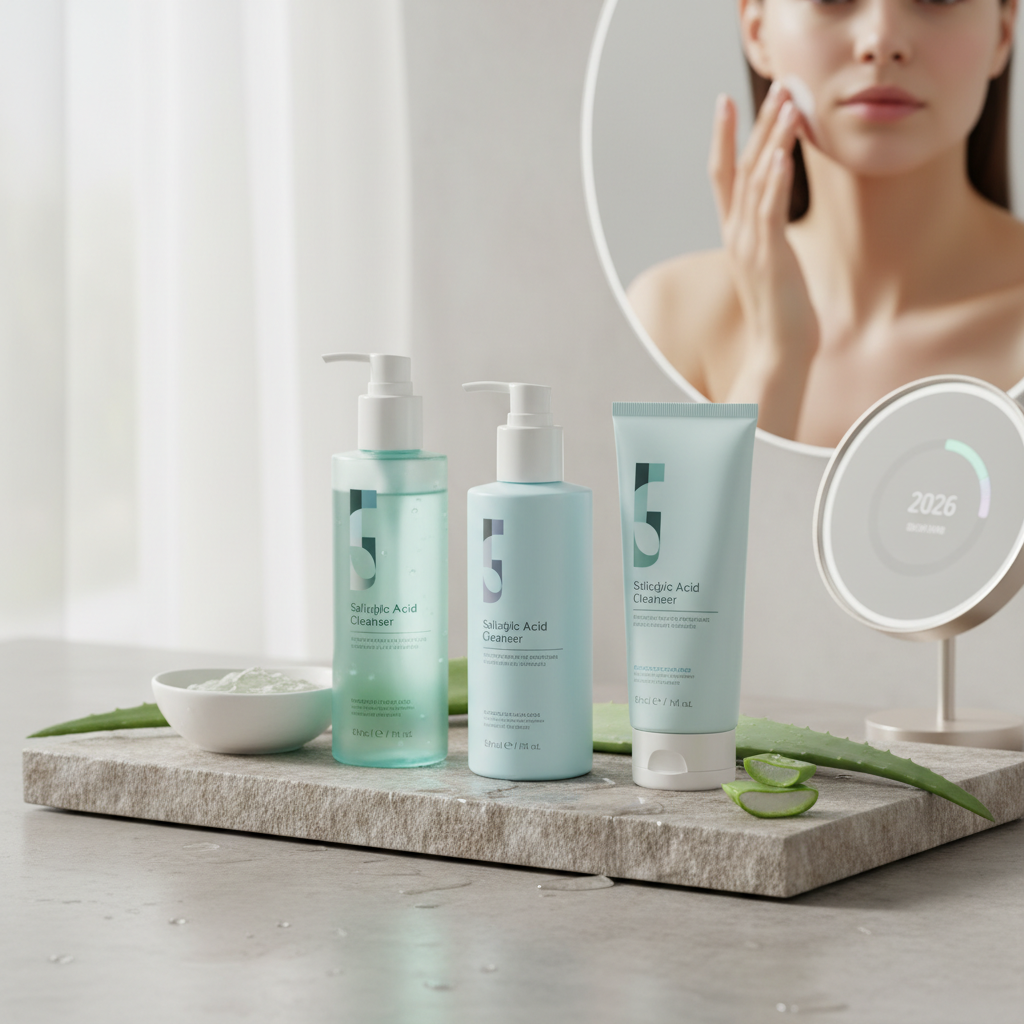
Achieving a flawless makeup application starts with a meticulously prepped skin base. This involves a gentle, multi-step skincare routine focused on cleansing, hydrating, protecting with SPF, and priming, ensuring your skin is smooth, plump, and ready to hold makeup beautifully throughout the day.
Introduction
In the dynamic world of skincare, where trends evolve faster than ever, one truth remains constant: the foundation of beautiful makeup isn’t in the products you apply, but in the canvas beneath. Welcome to 2026, where the emphasis on skin health, barrier integrity, and evidence-backed ingredients reigns supreme. Gone are the days of slapping on makeup over unaddressed skin concerns; today, we understand that a perfectly prepped complexion is the secret weapon for makeup that looks natural, lasts longer, and truly enhances your features. This guide will walk you through crafting the ultimate pre-makeup skincare routine, ensuring your skin is not just ready for makeup, but truly thriving.
Why is Skin Prep So Crucial for Flawless Makeup in 2026?
Think of your skin as a canvas. Would an artist paint a masterpiece on a rough, dirty, or uneven surface? Absolutely not. The same principle applies to makeup. Proper skin preparation creates an optimal surface for makeup application, leading to a smoother finish, enhanced longevity, and a healthier glow. In 2026, the discussion around skin barrier health has intensified, recognizing its pivotal role in everything from hydration to protection against environmental aggressors. A compromised barrier can lead to dehydration, irritation, and a patchy makeup application. By focusing on gentle, hydrating steps before makeup, you’re not just improving your cosmetic outcome; you’re actively supporting your skin’s long-term health and resilience.
The Benefits of a Well-Prepped Canvas
- Smoother Application: Hydrated and exfoliated skin allows makeup to glide on effortlessly, preventing streaks and patchiness.
- Extended Wear: A balanced skin surface, especially when properly moisturized and primed, helps makeup adhere better and last longer, resisting creasing and fading.
- Enhanced Finish: Makeup looks more natural, radiant, and less “caked-on” when applied to healthy, plump skin.
- Improved Skin Health: Regular, thoughtful skincare routines contribute to overall skin health, reducing the likelihood of breakouts or irritation from makeup.
- Better Product Performance: Both your skincare and makeup products perform optimally when layered correctly.
What Are the Essential Steps for a Perfect Makeup Base?
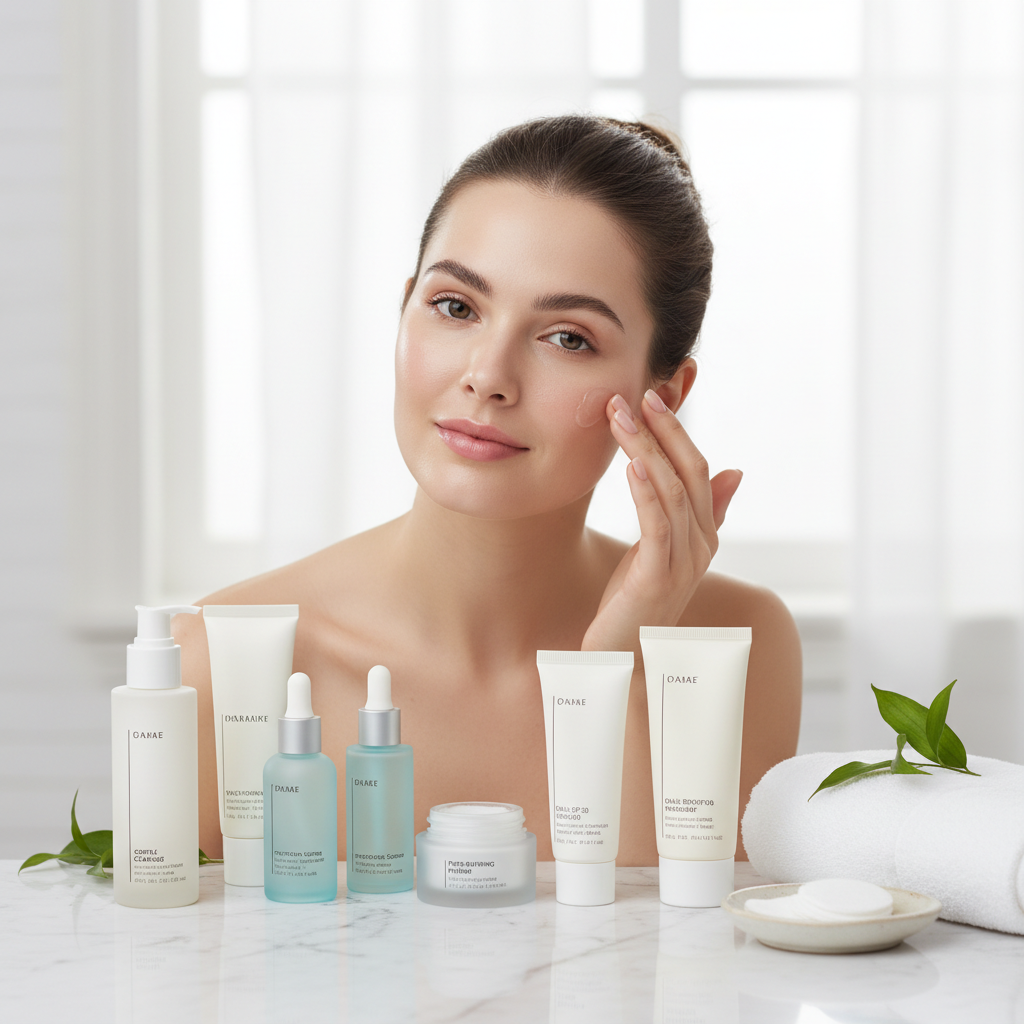
Building the perfect skincare base for makeup is a methodical process that prioritizes cleanliness, hydration, protection, and smoothing. While individual needs vary, a core sequence of steps forms the backbone of an effective morning routine.
- Gentle Cleansing: Start with a mild, hydrating cleanser to remove overnight impurities, excess oil, and any residual nighttime products without stripping your skin. Look for formulations that respect the skin barrier.
- Toning (Optional but Recommended): A hydrating toner can help balance skin pH, provide an initial layer of hydration, and prepare the skin to better absorb subsequent products. Avoid alcohol-based toners.
- Targeted Serums: This is where you address specific concerns. A serum rich in hyaluronic acid will instantly plump and hydrate, while a Vitamin C serum can brighten and offer antioxidant protection. Apply a thin layer and allow it to absorb fully.
- Eye Cream: The delicate skin around the eyes requires specific attention. A hydrating eye cream can reduce the appearance of fine lines and ensure concealer applies smoothly without creasing.
- Moisturizer: Lock in all the goodness with a suitable moisturizer for your skin type. This step is crucial for creating a smooth, hydrated surface for makeup. For oily skin, opt for a lightweight gel; for dry skin, a richer cream.
- Sunscreen (Non-Negotiable): Apply a broad-spectrum SPF 30 or higher, even if your foundation contains SPF. Mineral sunscreens (zinc oxide, titanium dioxide) are often preferred under makeup for their gentle nature and stable protection. Allow it to set for a few minutes.
- Primer (Strategically Applied): While not always essential, a good primer can blur imperfections, minimize pores, control oil, or add radiance, creating a truly seamless canvas for foundation. Choose one based on your skin type and makeup goals.
Which Actives Should I Look For in My Pre-Makeup Skincare?
The right active ingredients can dramatically enhance your skin’s readiness for makeup. Focus on those that hydrate, protect, and smooth without causing irritation, especially in the morning.
Key Actives and Their Benefits:
- Hyaluronic Acid (HA): A powerful humectant that draws moisture from the air into your skin, providing instant plumping and intense hydration. This makes skin look smoother and reduces the appearance of fine lines, creating an ideal base.
- Niacinamide (Vitamin B3): A multi-tasking powerhouse that helps strengthen the skin barrier, minimize pores, regulate oil production, and reduce redness. It’s excellent for all skin types and creates a more even-toned canvas.
- Vitamin C (L-Ascorbic Acid or derivatives): A potent antioxidant that brightens the complexion, evens skin tone, and protects against environmental damage. It gives skin a healthy glow that shines through makeup.
- Peptides: Short chains of amino acids that signal the skin to produce more collagen, improving firmness and elasticity over time. They contribute to a smoother, more resilient skin texture.
- Ceramides: Essential lipids that make up a significant portion of the skin barrier. Incorporating ceramides helps fortify the barrier, preventing moisture loss and protecting against irritants, leading to calmer, more hydrated skin.
- Mineral SPF (Zinc Oxide, Titanium Dioxide): These physical blockers sit on the skin’s surface, reflecting UV rays. They are gentle, non-comedogenic, and often play well under makeup, providing crucial daily protection.
While actives like Retinol and AHAs are transformative, they are typically best reserved for nighttime routines due to their exfoliating or photosensitizing properties. For pre-makeup, prioritize hydration and protection.
How Do I Choose Products for My Specific Skin Type?
Tailoring your routine to your skin type is paramount for optimal results. What works for oily skin might be detrimental to dry skin, and vice-versa. In 2026, the focus is on understanding your skin’s unique needs rather than rigid categorization.
| Skin Type | Morning Skincare Focus | Recommended Product Textures/Actives | Primer Recommendation |
|---|---|---|---|
| Oily/Acne-Prone | Oil control, pore minimization, lightweight hydration. | Gel cleanser, Niacinamide serum, oil-free gel moisturizer, Salicylic Acid (spot treat only), mineral SPF. | Mattifying or pore-minimizing primer. |
| Dry/Dehydrated | Intense hydration, barrier repair, moisture retention. | Creamy cleanser, Hyaluronic Acid serum, rich cream moisturizer (with Ceramides), emollient SPF. | Hydrating or radiance-boosting primer. |
| Combination | Balancing T-zone oil with hydration for drier areas. | Gentle gel cleanser, Niacinamide/Hyaluronic Acid serum, lightweight lotion moisturizer, balanced SPF. | Targeted primer (mattifying on T-zone, hydrating elsewhere). |
| Sensitive/Reactive | Calming, barrier support, minimal ingredients, fragrance-free. | Sulfate-free cleanser, Ceramides/Centella Asiatica serum, gentle cream moisturizer, mineral SPF. | Soothing, silicone-free primer (if needed). |
| Mature | Hydration, firmness, antioxidant protection, smoothing fine lines. | Creamy/oil cleanser, Vitamin C/Peptide serum, rich anti-aging cream, hydrating mineral SPF. | Smoothing or illuminating primer. |
Understanding US-Relevant Concerns: Drugstore vs. Prestige & FDA-Approved Actives
The beauty landscape in the US offers an immense range of products. It’s important to remember that effectiveness isn’t solely tied to price. Many drugstore brands now offer sophisticated formulations with high concentrations of beneficial actives, often backed by dermatologist consensus. Key FDA-approved actives for certain concerns, such as Salicylic Acid for acne or Zinc Oxide/Titanium Dioxide for SPF, are widely available across all price points. Focus on ingredient lists and reputable brands, regardless of their market tier. A well-chosen drugstore routine can outperform a poorly selected prestige one.
Are Dermal-Grade At-Home Tools Worth It for Makeup Prep?
The rise of at-home dermal-grade tools – from microcurrent devices to LED masks – has significantly impacted personal skincare routines in 2026. While these tools can offer impressive long-term benefits for skin health and rejuvenation, their immediate impact on makeup prep can vary.
For instant gratification before makeup, tools that promote circulation or provide a temporary plumping effect are most relevant. A quick session with a microcurrent device can temporarily lift and sculpt the face, while a red LED light session can reduce redness and promote a healthy glow. However, these are supplementary. The foundational work of cleansing, hydrating, and protecting with topicals remains the cornerstone of effective makeup preparation. Always ensure your skin is clean and dry before using tools, and follow up with your serums and moisturizers.
What’s the Role of Sunscreen in My Morning Routine, Even Under Makeup?
Sunscreen is the single most important step in any morning skincare routine, regardless of whether you’re applying makeup. In 2026, the science behind daily, year-round sun protection is unequivocal. UV radiation is the primary cause of premature aging, hyperpigmentation, and skin cancer. Relying solely on the SPF in your foundation is often insufficient, as you typically don’t apply enough foundation to achieve the stated SPF protection.
For makeup wearers, mineral sunscreens (containing zinc oxide and/or titanium dioxide) are often preferred. They tend to be less irritating, create a physical barrier, and some formulations offer a slightly mattifying or blurring effect, acting almost like a primer. Apply a generous amount as the last step in your skincare before primer, allowing it to absorb for 5-10 minutes. This ensures it forms a stable protective layer and prevents pilling with subsequent makeup layers. Reapplication throughout the day, especially if you’re outdoors, is crucial, even over makeup – innovative SPF mists and powders make this easier than ever.
Frequently Asked Questions
Can I skip primer if my skin is well-prepped?
Yes, often you can. If your skin is perfectly hydrated, smooth, and even-toned from your skincare routine, a primer might be redundant. However, if you have specific concerns like very oily skin, large pores, or want extra longevity for a special event, a targeted primer can still make a noticeable difference.
How long should I wait between skincare steps before applying makeup?
Ideally, allow each product to absorb for 30-60 seconds before applying the next. For thicker products like moisturizer and sunscreen, give them a good 2-5 minutes to fully sink in and set before moving onto primer or foundation. This prevents pilling and ensures each product works optimally.
Is double cleansing necessary in the morning before makeup?
Generally, no. Double cleansing (oil cleanser followed by a water-based cleanser) is most beneficial in the evening to thoroughly remove makeup, sunscreen, and daily grime. In the morning, a single, gentle water-based or cream cleanser is usually sufficient to refresh the skin without stripping it.
My makeup looks patchy after a few hours. Is it my skin prep or my makeup?
It could be both, but often, inadequate skin prep is the culprit. Patchiness can indicate dehydration (makeup clinging to dry spots), excess oil (makeup breaking down), or product incompatibility (skincare pilling under makeup). Review your cleansing, moisturizing, and primer steps to ensure they’re creating a smooth, balanced canvas.
What’s the biggest mistake women make when prepping their skin for makeup?
The biggest mistake is either over-stripping the skin with harsh cleansers and exfoliants, leading to dehydration and irritation, or conversely, not providing enough hydration and protection. Balance is key. A healthy skin barrier and ample moisture are non-negotiable for a flawless makeup look.
Conclusion
The journey to a perfect makeup application begins long before you pick up your foundation brush. In 2026, the focus on skin health, barrier integrity, and intelligent ingredient choices has elevated skin preparation from a simple step to an art form. By investing time in a thoughtful, tailored skincare routine – cleansing gently, hydrating deeply, protecting diligently with SPF, and strategically priming – you’re not just ensuring your makeup looks flawless; you’re nurturing your skin for lasting health and radiance. Embrace these steps, and watch your makeup transform from merely applied to truly perfected.