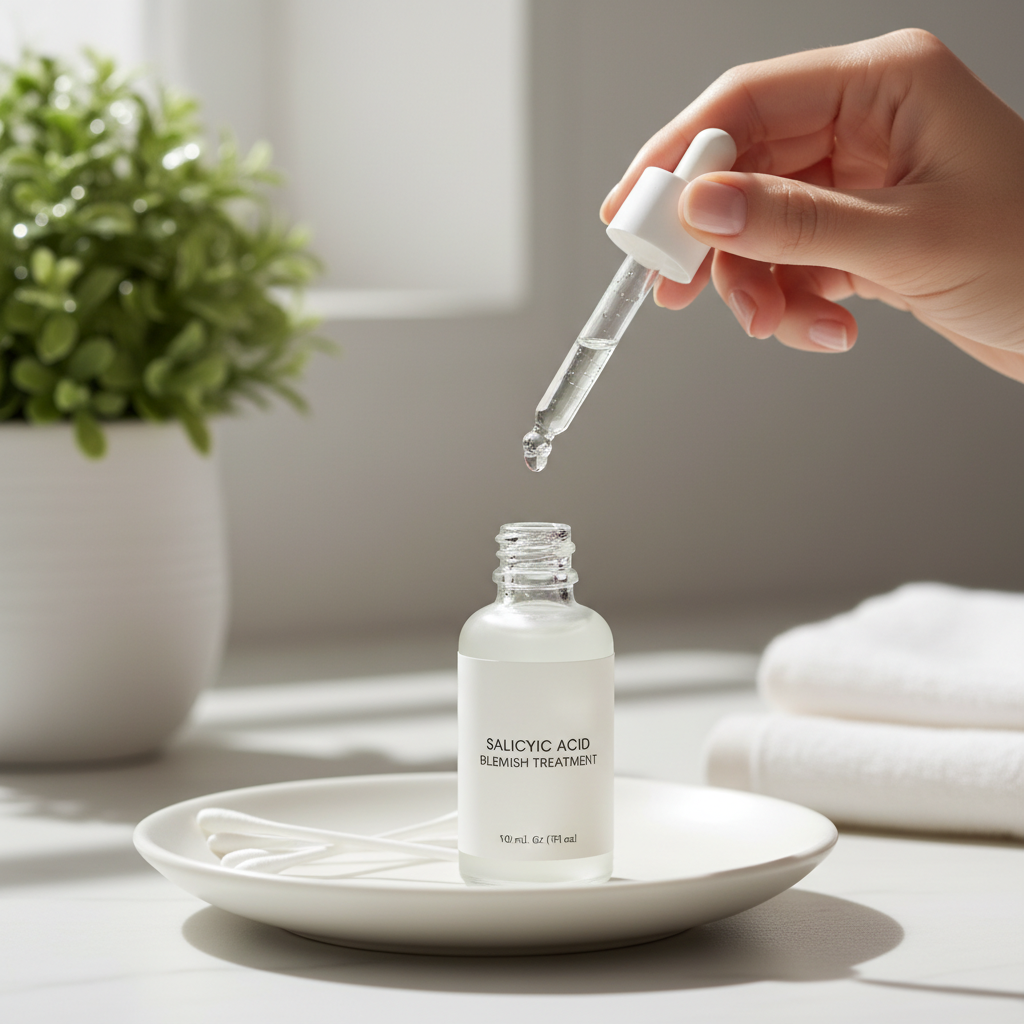
Cleansing balms can be an excellent first step for acne-prone skin, effectively dissolving makeup and sunscreen without stripping the skin, provided you choose non-comedogenic formulas rich in soothing and blemish-fighting ingredients like salicylic acid, niacinamide, and gentle plant-derived oils. The key is to select balms specifically designed not to clog pores and to integrate them correctly into a double-cleansing routine.
Introduction
For years, the idea of using an oil-based cleanser on acne-prone skin might have sounded counterintuitive, even a little scary. The fear of exacerbating breakouts and clogging pores was a common, valid concern. However, as our understanding of skincare science has evolved, especially by 2026, we now know that not all oils are created equal, and cleansing balms, when formulated correctly, can be a game-changer for those dealing with blemishes, excess oil, and sensitivity. This article will cut through the misinformation to guide you toward the best cleansing balms that will purify your skin, not punish it.
What Makes Cleansing Balms So Effective for Makeup and Sunscreen?
The fundamental principle behind cleansing balms, and oil-based cleansers in general, is “like dissolves like.” Makeup, sunscreen, and the skin’s natural sebum are all oil-soluble. Water-based cleansers struggle to break down these oil-based substances effectively on their own, often requiring harsh scrubbing that can irritate acne-prone skin. Cleansing balms, however, effortlessly melt away even the most stubborn waterproof mascara, long-wear foundation, and high-SPF mineral sunscreens, lifting them from the skin without friction.
This process is the first crucial step in a double-cleansing routine, a practice widely embraced for its thoroughness and gentleness. By using an oil-based balm first, you efficiently remove the day’s accumulation without stripping the skin’s essential moisture barrier. This leaves your skin prepped for a second cleanse with a water-based product, ensuring a truly clean canvas without the tightness or irritation often associated with single, overly aggressive washes.
Can Cleansing Balms Really Work for Acne-Prone Skin?
Absolutely, yes. The myth that “all oils clog pores” is precisely that – a myth. The truth lies in the specific type of oils and other ingredients used in the formulation. For acne-prone skin, the goal is to select non-comedogenic cleansing balms. This term means the product has been formulated not to block pores, which is critical for preventing new breakouts. Many plant-derived oils, such as jojoba, sunflower seed, or squalane, are excellent non-comedogenic choices that mimic the skin’s natural sebum, allowing them to dissolve impurities without causing congestion.
Furthermore, a significant benefit of using a gentle cleansing balm, particularly for acne-prone skin, is its ability to support the skin barrier. Often, individuals with acne tend to over-cleanse or use harsh products that strip the skin, leading to a compromised barrier. A damaged barrier can ironically worsen acne by increasing inflammation and making the skin more susceptible to bacteria. A well-formulated cleansing balm effectively removes impurities while maintaining the skin’s delicate balance, promoting a healthier, more resilient complexion that is better equipped to fight breakouts.
Which Ingredients Should I Look For in a Cleansing Balm for Acne?
When scouting for a cleansing balm suitable for acne-prone skin, ingredient lists are your best friends. Look for formulations that are not only non-comedogenic but also include actives known to soothe inflammation, regulate oil, and gently exfoliate.
Salicylic Acid (BHA)
This beta-hydroxy acid is oil-soluble, meaning it can penetrate into the pore lining to dissolve sebum and dead skin cells that contribute to blackheads, whiteheads, and inflamed breakouts. Even in a wash-off product like a cleansing balm, a low concentration of salicylic acid can provide a beneficial, mild exfoliating effect.
Niacinamide (Vitamin B3)
A powerhouse ingredient, niacinamide helps to reduce inflammation, minimize the appearance of pores, improve skin tone, and strengthen the skin barrier. It’s an excellent addition to any acne-prone routine, including a cleansing balm, for its calming and restorative properties.
Ceramides
These are lipids naturally found in the skin barrier. Including ceramides in a cleansing balm helps replenish and fortify the skin’s protective layer, which is crucial for acne-prone skin often battling dryness or irritation from treatments.
Gentle, Non-Comedogenic Oils
Look for ingredients like squalane (a stable emollient derived from olives or sugarcane), jojoba oil (closely mimics skin’s natural sebum), and sunflower seed oil. These oils effectively cleanse without feeling heavy or blocking pores.
Tea Tree Oil
Known for its antimicrobial properties, tea tree oil can be beneficial in small concentrations for fighting acne-causing bacteria. However, some individuals may find it irritating, so patch testing is always recommended.
Hyaluronic Acid
While not directly treating acne, hyaluronic acid provides vital hydration, preventing the skin from overproducing oil to compensate for dryness. A well-hydrated barrier is a healthy barrier.
Peptides
These short chains of amino acids are the building blocks of proteins like collagen and elastin. In skincare, peptides can signal the skin to perform various functions, including supporting wound healing and reducing inflammation, making them beneficial for overall skin health and recovery from breakouts.
Which Ingredients Should I Avoid or Approach with Caution?
Just as important as knowing what to look for is understanding what to avoid, especially if you have acne-prone skin.
- Heavy Mineral Oil (in high concentrations) & Petrolatum: While highly refined versions are often non-comedogenic, some formulations can feel occlusive and potentially trap dead skin cells and sebum, especially if not thoroughly rinsed.
- Coconut Oil: This is a highly comedogenic oil for many individuals and can be a significant trigger for breakouts. It’s best to steer clear if you’re prone to acne.
- Artificial Fragrances & Dyes: These are common irritants that can exacerbate inflammation and sensitivity, potentially worsening acne. Opt for fragrance-free whenever possible.
- Harsh Sulfates: While less common in balms, sulfates can strip the skin and compromise the barrier, leading to increased oil production and irritation.
How Do Drugstore and Prestige Cleansing Balms Compare for Acne-Prone Skin?
By 2026, the lines between “drugstore” and “prestige” skincare have blurred considerably, especially regarding efficacy. Many affordable drugstore brands now incorporate advanced ingredients and sophisticated formulations previously found only in high-end products. The key differentiator for acne-prone skin isn’t the price tag, but the ingredient list and formulation quality.
Drugstore brands often excel at providing accessible products with FDA-approved actives like salicylic acid at effective concentrations. They focus on reliable, well-researched ingredients. Prestige brands might offer unique botanical extracts, patented complexes, or more luxurious textures and scents (though fragrance-free is often preferred for acne-prone skin). However, a higher price doesn’t automatically equate to better results for acne. Many dermatologists emphasize that consistent use of well-formulated, non-comedogenic products, regardless of their price point, is what truly makes a difference.
Top Picks: Cleansing Balms for Acne-Prone Skin
Here’s a comparison of hypothetical, yet representative, cleansing balms that would be excellent choices for acne-prone skin, focusing on their key features and benefits.
| Product Name | Key Actives & Oils | Benefits for Acne-Prone Skin | Skin Type Suitability |
|---|---|---|---|
| ClearSkin Melt Balm | Salicylic Acid, Squalane, Green Tea Extract | Gently exfoliates pores, calms inflammation, removes makeup without stripping. | Oily, Combination, Mildly Sensitive |
| DermCleanse Purifying Balm | Niacinamide, Jojoba Oil, Ceramides | Strengthens skin barrier, reduces redness, balances oil production, deeply cleanses. | All Skin Types (especially Sensitive, Combination) |
| PoreRelease Cleansing Balm | Sunflower Seed Oil, Willow Bark Extract (natural BHA source), Vitamin E | Decongests pores, provides antioxidant protection, leaves skin soft and hydrated. | Oily, Combination, Mature (anti-aging benefits) |
| Calm & Clear Balm | Bisabolol, Oat Kernel Oil, Hyaluronic Acid | Soothes irritated skin, intensely hydrates, removes heavy makeup gently. | Sensitive, Dry, Acne-Prone (focused on barrier repair) |
How Do I Properly Use a Cleansing Balm in My Acne-Prone Skincare Routine?
Correct application is key to maximizing the benefits of your cleansing balm and ensuring it doesn’t contribute to breakouts.
- Start with Dry Hands and Dry Face: Scoop a small, almond-sized amount of balm onto your fingertips. Apply it directly to your dry face.
- Massage Gently: Using light, circular motions, massage the balm all over your face for 60 seconds. Focus on areas with makeup, sunscreen, or congestion. You’ll feel the balm melting away impurities.
- Emulsify with Water: Wet your hands with a little warm water and continue to massage your face. The balm will transform into a milky emulsion. This step is crucial for ensuring the balm rinses off cleanly.
- Rinse Thoroughly: Rinse your face with lukewarm water until all traces of the milky emulsion are gone. Ensure no residue remains.
- Follow with a Water-Based Cleanser (Double Cleansing): For acne-prone skin, a second cleanse with a gentle, water-based cleanser (gel or foam) is highly recommended. This removes any lingering impurities and preps your skin for subsequent treatments.
- Pat Dry: Gently pat your face dry with a clean, soft towel. Avoid rubbing, which can irritate the skin.
- Proceed with Your Routine: Follow immediately with your targeted treatments (e.g., retinoids, vitamin C, peptides), serums, moisturizer, and in the morning, mineral SPF.
Frequently Asked Questions
Is double cleansing necessary for acne-prone skin?
While not strictly “necessary” for everyone, double cleansing is highly recommended for acne-prone skin, especially if you wear makeup, sunscreen, or live in a polluted environment. The first oil-based cleanse effectively removes oil-soluble impurities, preventing them from clogging pores, while the second water-based cleanse ensures your skin is thoroughly clean without being stripped.
Can a cleansing balm replace my regular cleanser?
For acne-prone skin, a cleansing balm is typically the first step in a double-cleansing routine, not a standalone cleanser. While it removes makeup and sunscreen, a subsequent water-based cleanser helps to remove any residual balm and further purify the skin, which is crucial for preventing breakouts.
How often should I use a cleansing balm?
Most individuals with acne-prone skin can safely use a non-comedogenic cleansing balm once daily, in the evening, as the first step of their double-cleansing routine. If your skin is particularly oily or you wear heavy makeup, you might consider it in the morning too, but always monitor your skin’s reaction.
What’s the difference between retinal and retinol for acne?
By 2026, retinal (retinaldehyde) has gained significant traction as a powerful retinoid. It’s a precursor to retinoic acid, requiring only one conversion step in the skin, making it more potent and faster-acting than retinol, which requires two conversion steps. For acne, this means retinal can offer more significant pore-clearing and cell turnover benefits with potentially less irritation than prescription retinoic acid, making it an excellent at-home option for managing breakouts and improving skin texture.
Will a cleansing balm make my oily skin even oilier?
No, a well-formulated, non-comedogenic cleansing balm should not make oily skin oilier. The principle of “like dissolves like” means the balm effectively breaks down and removes excess sebum without stripping the skin. When skin is stripped, it often compensates by producing more oil. A gentle cleansing balm helps maintain the skin’s natural balance, which can actually help regulate oil production over time.
Conclusion
The journey to clearer skin doesn’t have to involve harsh, stripping cleansers. Cleansing balms, once a niche product, have firmly established their place in effective acne-prone skincare routines by 2026. By choosing non-comedogenic formulas enriched with beneficial actives like salicylic acid, niacinamide, and ceramides, you can gently and thoroughly cleanse your skin, remove stubborn impurities, and support a healthy skin barrier. Embrace the power of the right cleansing balm, and you’ll discover a foundational step that brings you closer to the balanced, clear complexion you desire.