Chin acne, a common and often persistent concern for women, stems from a complex interplay of internal hormonal fluctuations and external environmental triggers. Primarily driven by androgen sensitivity that leads to increased sebum production and inflammation, it is frequently exacerbated by factors like product choices, diet, stress, and physical irritation. Effectively managing chin acne requires understanding these root causes and adopting a targeted, consistent skincare and lifestyle approach.
Introduction
That stubborn breakout on your chin or along your jawline isn’t just a random zit; it often tells a story about what’s happening beneath your skin or in your immediate environment. For many women, chin acne is a particularly frustrating and recurring issue, distinct from the occasional forehead blemish. In 2026, with advanced insights into skin health, we understand that these breakouts are rarely simple and often require a multi-faceted approach. Let’s demystify the causes, from the hormonal symphony within to the environmental factors impacting your skin daily, and arm you with evidence-informed strategies for clearer skin.
Why does chin acne often feel different from other breakouts? Exploring Hormonal Triggers
When we talk about chin acne, especially the deeper, more painful, cystic kind, hormonal fluctuations are almost always at the forefront of the conversation. This type of acne is often characterized by its location – typically around the lower face, jawline, and neck – and its cyclical nature, frequently flaring up before or during menstruation, or during periods of significant hormonal shift.
The Role of Androgens: The Primary Driver
Androgens, often called “male hormones” but present in women at lower levels, are the primary culprits behind hormonal acne. Hormones like testosterone and DHEA-S stimulate your sebaceous glands to produce more sebum (oil). While sebum is vital for skin hydration and protection, an excess of it creates a perfect breeding ground for acne-causing bacteria (C. acnes) and clogs pores, leading to inflammation and breakouts. Some women are simply more sensitive to normal levels of androgens, making them prone to hormonal acne.
Menstrual Cycle and Hormonal Swings
The ebb and flow of hormones throughout the monthly menstrual cycle are a common trigger. Estrogen and progesterone levels fluctuate significantly, and just before your period, both drop, leading to a relative increase in androgen activity. This surge in androgen influence can ramp up oil production, leading to the familiar pre-menstrual chin breakout.
Key Life Stages: More Than Just Puberty
- Puberty: The initial surge in hormones, particularly androgens, explains why acne often begins in adolescence.
- Pregnancy: Hormonal surges during pregnancy can either clear up or significantly worsen acne for many women.
- Perimenopause and Menopause: As estrogen levels decline, the relative dominance of androgens can lead to a resurgence of acne, often centered around the chin and jawline, even for women who haven’t experienced it since their teens.
- Polycystic Ovary Syndrome (PCOS): This common endocrine disorder is characterized by elevated androgen levels, leading to symptoms like irregular periods, excess hair growth, and persistent, often severe, hormonal acne on the lower face.
Stress and Its Hormonal Link
While not a direct hormonal trigger in the same way androgens are, chronic stress elevates cortisol levels. Cortisol can, in turn, indirectly stimulate androgen production and increase inflammation throughout the body, exacerbating existing acne or triggering new breakouts. The mind-skin connection is increasingly recognized in 2026, emphasizing holistic wellness alongside targeted treatments.
What environmental factors contribute to chin breakouts? Dissecting External Triggers
Even if hormones are largely responsible for the type of acne you experience, external factors can significantly worsen or even instigate chin breakouts. These environmental triggers are often more within our immediate control and can play a crucial role in preventing and managing acne.
Product Choices: The Hidden Culprits in Your Skincare
The products you apply to your skin can make or break your complexion. Heavy, occlusive moisturizers, certain makeup ingredients, or even hair products can be comedogenic – meaning they clog pores. Look for labels like “non-comedogenic” or “non-acnegenic.” In 2026, the focus on skin barrier health means avoiding harsh, stripping cleansers and over-exfoliation, which can ironically irritate the skin and trigger more oil production.
Physical Irritation: The Unseen Aggravators
- “Maskne” and Chin Contact: Even beyond the peak of mask-wearing, regular friction from scarves, high collars, or certain sports equipment can trap sweat, oil, and bacteria against the skin, leading to irritation and breakouts.
- Phone Usage: Your smartphone is a hotbed of bacteria. Pressing it against your chin and cheek can transfer grime and microbes directly to your skin, contributing to breakouts. Regular cleaning of your device is essential.
- Touching and Picking: It’s a hard habit to break, but constantly touching your chin introduces bacteria from your hands and can spread existing inflammation, leading to more severe lesions and potential scarring.
Dietary Considerations: The Gut-Skin Axis
While research continues to evolve, many individuals report a connection between certain foods and their acne. High glycemic index foods (refined sugars, white bread) can cause insulin spikes, which some studies suggest may influence androgen activity and inflammation. Dairy products are another commonly cited trigger, though the evidence is still debated and highly individual. Instead of restrictive diets, dermatologists increasingly recommend a balanced approach focusing on whole foods, antioxidants, and omega-3 fatty acids for overall skin health.
Pollution and Environmental Stressors
Living in urban environments exposes skin to particulate matter and environmental pollutants. These tiny particles can penetrate pores, trigger oxidative stress, and exacerbate inflammation, making skin more prone to breakouts. A robust skincare routine that includes antioxidants and thorough cleansing can help mitigate these effects.
Over-Washing vs. Under-Washing: Finding the Balance
It’s a common misconception that acne-prone skin needs aggressive scrubbing. Over-washing with harsh cleansers can strip the skin’s natural barrier, leading to dryness, irritation, and a compensatory increase in oil production. Conversely, inadequate cleansing allows oil, dead skin cells, and makeup to accumulate, leading to clogged pores. A gentle, consistent cleansing routine is key.
How can I tell if my chin acne is hormonal or environmental?
Distinguishing between hormonal and environmental acne can help you tailor your treatment plan more effectively. While there’s often an overlap, observing patterns can provide valuable clues.
| Characteristic | Likely Hormonal Chin Acne | Likely Environmental Chin Acne |
|---|---|---|
| Location | Primarily around the jawline, chin, and neck. Deep, painful cysts. | Can be anywhere on the chin, often smaller papules, pustules, or blackheads. |
| Timing | Cyclical, often flaring before or during menstruation; linked to pregnancy, perimenopause. | Irregular; appears after using new products, stress, travel, or prolonged physical contact. |
| Type of Lesion | Deep, tender, sometimes invisible cysts; can be slow to heal and leave PIH (post-inflammatory hyperpigmentation). | More superficial whiteheads, blackheads, or inflamed red bumps; may resolve quicker. |
| Response to Treatment | Often resistant to topical OTC treatments alone; may require prescription medications. | Responds well to topical treatments like salicylic acid, benzoyl peroxide, and routine adjustments. |
It’s important to note that environmental factors can certainly exacerbate hormonal acne. For example, a hormonal predisposition to oiliness might be pushed into full-blown breakouts by a pore-clogging foundation or a week of high stress. The best approach often involves addressing both internal and external factors.
Which skincare ingredients actually work for chin acne?
Navigating the vast world of skincare actives can be daunting, but certain ingredients have stood the test of time and science for their efficacy in treating acne, particularly the stubborn kind that appears on the chin.
FDA-Approved Actives and Dermatologist Consensus
For acne treatment in the US, the FDA recognizes key over-the-counter (OTC) actives that dermatologists frequently recommend:
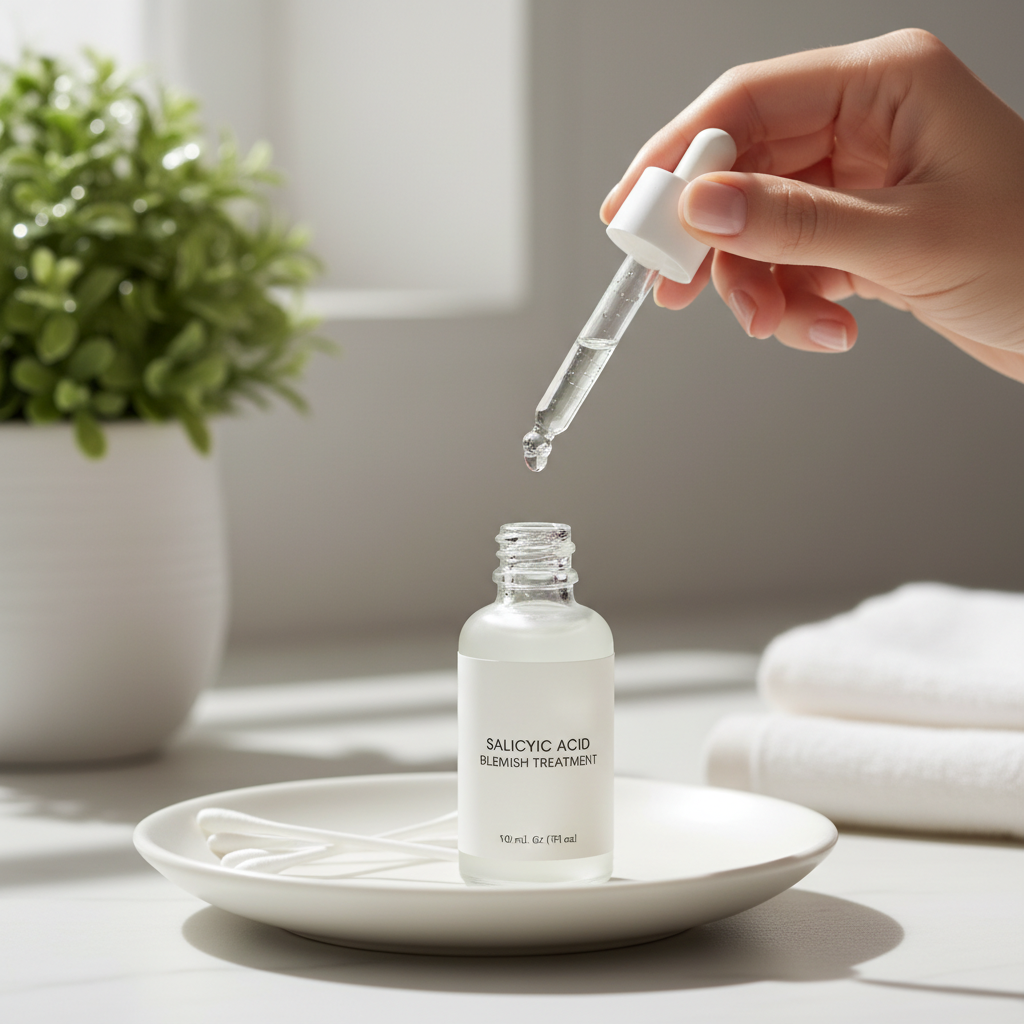
- Salicylic Acid (BHA): This beta-hydroxy acid is oil-soluble, meaning it can penetrate deep into pores to dissolve sebum and dead skin cells, effectively unclogging them. Ideal for blackheads, whiteheads, and mild inflammatory acne.
- Benzoyl Peroxide: A powerful ingredient that kills acne-causing bacteria (C. acnes) and also helps to shed dead skin cells. Available in various strengths, it can be very effective but may cause dryness and irritation, especially for sensitive skin.
Other Highly Effective Actives for Chin Acne
- Retinoids (Retinol, Retinal, Tretinoin): Derivatives of Vitamin A, retinoids are gold-standard for acne and anti-aging. They accelerate cell turnover, preventing pores from clogging, reducing inflammation, and improving skin texture and tone. In 2026, retinaldehyde (retinal) is gaining popularity as a potent, yet often less irritating, alternative to prescription tretinoin, converting to retinoic acid more directly than retinol.
- Niacinamide (Vitamin B3): A powerhouse ingredient with multiple benefits. It’s a potent anti-inflammatory, helps to regulate sebum production, strengthens the skin barrier, and reduces redness and post-inflammatory hyperpigmentation (PIH). Excellent for sensitive and acne-prone skin.
- Azelaic Acid: Often overlooked, this dicarboxylic acid is an anti-inflammatory, antibacterial, and mild exfoliant. It’s excellent for reducing redness, swelling, and bumps associated with acne and rosacea, and is safe for pregnancy.
- Alpha Hydroxy Acids (AHAs – e.g., Glycolic Acid, Lactic Acid): Water-soluble acids that exfoliate the surface of the skin, improving texture, brightening, and helping to prevent surface pore clogging. Better for general exfoliation than deep pore clearing.
- Ceramides: Not an acne treatment per se, but crucial for supporting the skin barrier. When using potent actives, incorporating ceramides helps to prevent dryness, irritation, and maintain skin health, which is a major focus in 2026 skincare.
- Hyaluronic Acid: Provides vital hydration without clogging pores. Essential for keeping skin plump and preventing the compensatory oil production that can occur with dryness.
- Peptides: Small chains of amino acids that signal skin cells to perform various functions, including collagen production and barrier repair. While not direct acne treatments, they contribute to overall skin health and resilience, crucial when battling breakouts.
- Mineral SPF (Zinc Oxide, Titanium Dioxide): Non-negotiable. Sun exposure can worsen inflammation, trigger PIH, and compromise skin barrier function. Mineral sunscreens are generally less irritating and less likely to clog pores than chemical filters. Reapplication science in 2026 emphasizes consistent protection throughout the day.
Matching Actives to Your Skin Type
- Oily/Combination Skin: Can often tolerate higher concentrations of salicylic acid, benzoyl peroxide, and retinoids. Niacinamide helps with oil regulation.
- Dry/Sensitive Skin: Opt for gentler formulations. Azelaic acid, lower-strength retinoids (like retinal), and niacinamide are excellent choices. Prioritize barrier-supporting ingredients like ceramides and hyaluronic acid.
- Mature Skin: Focus on retinoids for both acne and anti-aging benefits. Incorporate peptides and ceramides to maintain elasticity and hydration.
What’s the best daily routine to manage and prevent chin acne?
Consistency and a balanced approach are paramount. Here’s a general framework for an effective chin acne routine, adaptable for drugstore or prestige preferences, emphasizing skin barrier health.
Morning Routine: Protect and Prepare
- Gentle Cleanser: Start with a mild, pH-balanced cleanser to remove overnight impurities without stripping your skin. Look for formulations with minimal foaming.
- Antioxidant Serum (Optional): A Vitamin C serum can protect against environmental damage and brighten skin.
- Targeted Treatment (Optional): If your skin tolerates it, a light layer of niacinamide or a gentle BHA toner can be applied here.
- Hydrating Serum: A hyaluronic acid serum can provide lightweight, non-comedogenic hydration.
- Moisturizer: Choose a non-comedogenic, lightweight moisturizer suitable for your skin type.
- Mineral SPF 30+: This is non-negotiable. Apply a broad-spectrum mineral sunscreen (zinc oxide, titanium dioxide) every single day, even indoors. Reapply every 2 hours if outdoors, or as needed.
Evening Routine: Treat and Repair
- Double Cleanse: Begin with an oil-based cleanser or micellar water to dissolve makeup, sunscreen, and environmental pollutants. Follow with your gentle water-based cleanser to thoroughly clean the skin.
- Treatment Serum: This is where your heavy-hitting actives come in. Alternate or use consistently, based on your dermatologist’s advice:
- Retinoid: Start with a low-strength retinol or retinal 2-3 times a week and gradually increase frequency as your skin tolerates it.
- Azelaic Acid: Can be used daily, even with retinoids, for anti-inflammatory benefits.
- BHA: If not using a retinoid, a BHA serum can be applied 2-3 times a week.
- Hydrating/Barrier Repair Serum: If using strong actives, layer a hyaluronic acid or ceramide serum to soothe and support the skin barrier.
- Moisturizer: A slightly richer, non-comedogenic moisturizer to lock in moisture and support skin repair overnight. Look for ceramides and peptides.
Lifestyle Adjustments for Prevention:
- Stress Management: Incorporate mindfulness, exercise, or hobbies into your routine.
- Device Hygiene: Regularly clean your phone screen with an alcohol wipe.
- Dietary Awareness: Pay attention to potential triggers, but focus on a balanced, anti-inflammatory diet.
- Pillowcases: Change pillowcases frequently (every 2-3 days) to minimize bacterial buildup.
Comparing Chin Acne Targeted Treatments
Choosing the right products can be overwhelming. Here’s a comparison of common approaches, considering effectiveness and suitability for various needs.
| Product Type/Approach | Key Actives/Method | Primary Benefits | Skin Type Suitability | General Price Tier |
|---|---|---|---|---|
| BHA Cleanser/Serum | Salicylic Acid (0.5-2%) | Unclogs pores, reduces blackheads/whiteheads, mild exfoliation. | Oily, combination, mild acne. | Drugstore to Mid-range |
| Retinoid Serum (OTC) | Retinol, Retinaldehyde | Increases cell turnover, prevents clogs, reduces inflammation, anti-aging. | All skin types (start low/slow for sensitive). | Mid-range to Prestige |
| Azelaic Acid Treatment | Azelaic Acid (10-15%) | Reduces redness, inflammation, kills bacteria, mild exfoliation. | Sensitive, rosacea-prone, inflammatory acne. | Drugstore to Mid-range |
| Prescription Oral Medication | Spironolactone, Oral Contraceptives, Isotretinoin | Systemic hormonal regulation, severe acne treatment, sebum reduction. | Severe, persistent hormonal/cystic acne (dermatologist prescribed). | Varies (insurance dependent) |
| Barrier Repair Moisturizer | Ceramides, Hyaluronic Acid, Peptides | Soothes irritation, strengthens skin barrier, provides non-comedogenic hydration. | All skin types, especially sensitive or using strong actives. | Drugstore to Prestige |
Frequently Asked Questions
Can stress cause chin acne?
Yes, stress can significantly contribute to chin acne. When you’re stressed, your body produces more cortisol, which can indirectly stimulate your sebaceous glands to produce more oil. This excess sebum, combined with inflammation, creates a perfect storm for breakouts, often exacerbating existing hormonal predispositions.
Is there a specific diet for chin acne?
While there’s no single “acne diet” universally proven to work for everyone, some individuals find that reducing high glycemic index foods (like refined sugars and white flour) and certain dairy products can help manage breakouts. Focus on a balanced diet rich in anti-inflammatory foods, antioxidants, and omega-3 fatty acids for overall skin health, and observe if any specific foods consistently trigger your acne.
How long does it take to clear chin acne?
Patience and consistency are crucial. You might start seeing initial improvements in 4-6 weeks, but significant and lasting clearing of chin acne, especially if it’s hormonal, typically takes 2-4 months of consistent use of targeted skincare and/or prescription treatments. Scarring (PIH) can take even longer to fade.