Yes, in 2026, isotretinoin, commonly known by its former brand name Accutane, remains an unparalleled and highly effective treatment for severe, recalcitrant acne that hasn’t responded to other therapies. While it requires strict medical supervision due to potential side effects, its ability to provide long-term remission for many makes it a viable and often life-changing option when prescribed appropriately by a dermatologist.

Introduction
For women grappling with persistent, severe acne, the journey can be frustrating, impacting not just skin health but also self-esteem and quality of life. In 2026, with an ever-evolving landscape of skincare innovations, the question of whether a powerful medication like Accutane still holds its ground is more relevant than ever. Let’s delve into the current understanding of this potent treatment and its place in modern dermatology.
What Exactly Is Isotretinoin (Accutane) and How Does It Work?
Isotretinoin is an oral retinoid, derived from Vitamin A, that revolutionized acne treatment when it first emerged. Unlike topical treatments or antibiotics that target specific aspects of acne, isotretinoin addresses all four primary causes of acne simultaneously. It significantly reduces the size and activity of sebaceous glands, leading to a dramatic decrease in oil production. Less oil means fewer clogged pores, fewer opportunities for acne-causing bacteria (P. acnes, now often referred to as C. acnes) to thrive, and reduced inflammation. Furthermore, it normalizes follicular keratinization, preventing dead skin cells from blocking pores, and possesses anti-inflammatory properties that calm existing breakouts. This comprehensive action is why it’s so uniquely effective, often leading to long-term remission or even a permanent “cure” for many individuals.
When Should I Consider Isotretinoin for My Acne?
Isotretinoin isn’t typically a first-line treatment; it’s reserved for specific, more severe cases where other options have failed. You might consider it if you experience:
- Severe Nodular or Cystic Acne: Characterized by large, painful, inflamed lesions deep beneath the skin’s surface that are resistant to conventional treatments.
- Acne with Significant Scarring: If your acne is causing disfiguring scars, early intervention with isotretinoin can prevent further damage.
- Acne Not Responding to Other Treatments: This includes courses of oral antibiotics, topical retinoids (like tretinoin or adapalene), benzoyl peroxide, and hormonal therapies.
- Acne Causing Psychological Distress: Even moderate acne can severely impact mental health, and dermatologists recognize this as a valid reason to consider isotretinoin.
- Acne with Frequent Flares: If your acne consistently returns shortly after stopping other treatments, isotretinoin offers a more definitive solution.
A dermatologist will thoroughly evaluate your medical history, acne severity, and previous treatments to determine if isotretinoin is the right path for you. By 2026, early intervention for severe acne to prevent scarring is increasingly emphasized in dermatological practice.
What Are the Potential Side Effects and Risks of Taking Isotretinoin?
While highly effective, isotretinoin is known for its range of potential side effects, which necessitate close monitoring. Most are dose-dependent and reversible upon discontinuation.
Common Side Effects (Almost Universal)
- Dryness: This is the most common and includes very dry lips, skin, eyes, and nasal passages. Using rich moisturizers, lip balms, and artificial tears is crucial.
- Sun Sensitivity: Skin becomes more susceptible to sunburn. Daily application of a broad-spectrum mineral SPF 30+ is non-negotiable, even indoors.
- Muscle and Joint Aches: Some individuals experience mild body aches, particularly after physical activity.
- Temporary Acne Flare-up: In the initial weeks, acne can sometimes worsen before improving.
Less Common but Serious Side Effects
- Elevated Liver Enzymes and Cholesterol: Regular blood tests are mandatory to monitor liver function and lipid levels.
- Mood Changes and Depression: While the link is complex and not fully understood, some individuals report mood disturbances. It’s vital to discuss any changes in mood with your doctor immediately.
- Inflammatory Bowel Disease (IBD): A rare but serious potential link has been observed, though causality is still debated.
- Severe Birth Defects: This is the most critical risk. Isotretinoin is a potent teratogen, meaning it causes severe birth defects if taken during pregnancy.
The iPLEDGE Program: A US-Specific Mandate
In the United States, due to the severe risk of birth defects, all individuals of childbearing potential must enroll in the mandatory iPLEDGE program. This program requires:
- Using two forms of birth control concurrently (or abstaining from sexual activity) for one month before, during, and one month after treatment.
- Monthly negative pregnancy tests.
- Monthly dermatologist visits to receive the prescription.
- Understanding and confirming these requirements through an online portal.
This stringent program underscores the seriousness of the medication’s risks and the commitment required from patients and prescribers.
How Has the Landscape of Acne Treatment Evolved by 2026?
While isotretinoin remains a cornerstone for severe acne, the broader treatment landscape has seen significant advancements by 2026. There’s a greater emphasis on personalized medicine, combination therapies, and holistic skin health, particularly focusing on the skin barrier.
- Advanced Topical Retinoids: Beyond traditional tretinoin and adapalene, newer formulations and the increasing availability of retinaldehyde (retinal) offer potent, yet often less irritating, options for moderate acne, bridging the gap between OTC retinols and prescription-strength treatments. Retinal converts to retinoic acid in one step, making it more effective than retinol but generally better tolerated than tretinoin.
- Targeted Oral Medications: While oral antibiotics are still used, there’s a push for shorter courses and combination with topicals to mitigate antibiotic resistance. Newer oral therapies targeting specific inflammatory pathways are also emerging.
- Hormonal Therapies: Spironolactone and oral contraceptives are widely used for hormonal acne, often in conjunction with topicals, providing an effective alternative for many women.
- Energy-Based Devices: Dermal-grade at-home tools and professional in-office devices (e.g., specific lasers, light therapies) have become more sophisticated. While not a replacement for isotretinoin for severe cases, they can significantly improve texture, scarring, and reduce inflammation, often used as adjunctive or post-isotretinoin therapies.
- Microbiome-Friendly Skincare: A deeper understanding of the skin microbiome has led to products designed to support beneficial bacteria and reduce acne-causing strains, often incorporating prebiotics and postbiotics.
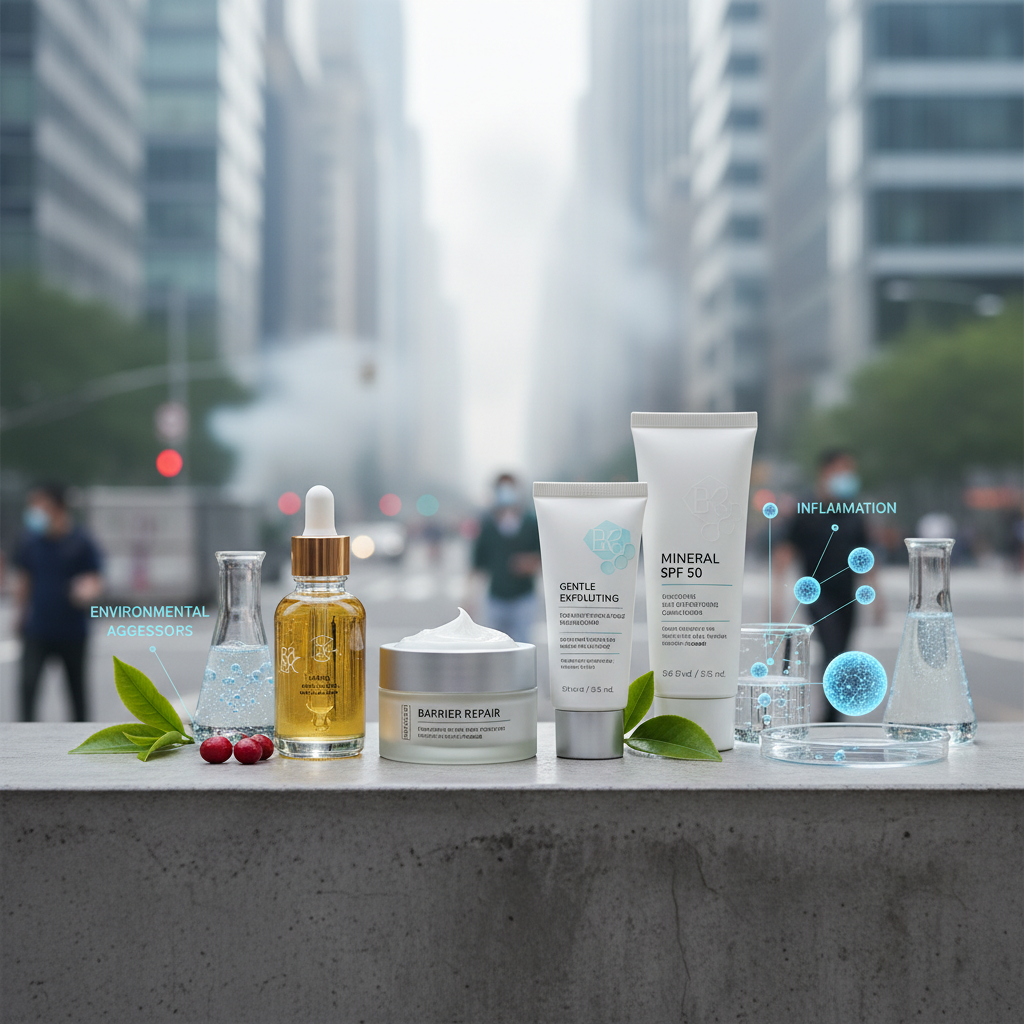
- Skin Barrier Restoration: The focus on maintaining a healthy skin barrier is paramount. Ingredients like ceramides (lipid molecules that help hold skin cells together), hyaluronic acid (a humectant attracting and holding moisture), and niacinamide (Vitamin B3, known for its anti-inflammatory and barrier-strengthening properties) are central to supporting skin, especially when using potent actives.
These advancements mean that for many, a highly effective path to clear skin can be found without resorting to isotretinoin. However, for those with truly severe, recalcitrant acne, isotretinoin often remains the most definitive solution.
What Non-Prescription Options Can Support Acne-Prone Skin in 2026?
Even if you’re on a prescription regimen or post-isotretinoin, a well-chosen non-prescription skincare routine is vital for maintaining skin health and preventing future breakouts. By 2026, the market offers sophisticated options from both drugstore and prestige brands, often formulated with FDA-approved actives and backed by dermatological consensus.
- Salicylic Acid (BHA): A beta-hydroxy acid that penetrates oil to exfoliate inside the pore, making it excellent for blackheads, whiteheads, and oily skin. Look for cleansers or leave-on treatments with 0.5-2%.
- Benzoyl Peroxide: An antibacterial agent that kills acne-causing bacteria and helps shed dead skin cells. Available in various strengths (2.5-10%), effective for inflammatory acne.
- Alpha Hydroxy Acids (AHAs) like Glycolic or Lactic Acid: Water-soluble exfoliants that work on the skin’s surface to improve texture, tone, and reduce post-inflammatory hyperpigmentation (PIH).
- Niacinamide: As mentioned, it calms inflammation, reduces redness, minimizes pore appearance, and strengthens the skin barrier. A versatile ingredient for almost all skin types, including sensitive.
- Hyaluronic Acid: Provides essential hydration without clogging pores, crucial for balancing oily skin which can often be dehydrated.
- Vitamin C: A powerful antioxidant that brightens skin, reduces hyperpigmentation, and protects against environmental damage. Best used in the morning.
- Peptides: Small chains of amino acids that can signal skin cells to perform specific functions, such as boosting collagen production or reducing inflammation. Beneficial for overall skin health and anti-aging.
- Mineral SPF (Zinc Oxide, Titanium Dioxide): Essential for all skin types, especially acne-prone, to prevent post-inflammatory hyperpigmentation from worsening and protect against sun damage. Newer formulations are elegant and blend seamlessly. Sunscreen reapplication science in 2026 emphasizes regular reapplication, especially after sweating or swimming, using sticks or sprays for convenience.
When selecting products, prioritize non-comedogenic formulas and introduce new actives slowly to avoid irritation, especially if your skin is sensitive or combination.
How Do Dermatologists Approach Isotretinoin Decisions in 2026?
Dermatologists in 2026 approach isotretinoin with a blend of scientific rigor, patient-centered care, and a deep understanding of its profound impact. The process is thorough and collaborative.
- Comprehensive Assessment: This includes a detailed medical history, current medications, previous acne treatments, and a physical examination of your skin. Your dermatologist will assess the severity and type of your acne, looking for signs of scarring or significant psychosocial distress.
- Discussion of Alternatives: Before recommending isotretinoin, your doctor will discuss all other viable treatment options, including combination therapies with oral antibiotics, hormonal treatments, and advanced topicals, explaining why these may or may not be suitable for your specific case.
- In-depth Counseling on Risks and Benefits: A significant portion of the consultation is dedicated to ensuring you fully understand how isotretinoin works, its potential benefits (long-term remission, scar prevention), and its comprehensive list of side effects, including the critical risk of birth defects and the iPLEDGE requirements.
- Baseline Testing: Before starting, blood tests will be conducted to check liver function, lipid levels (cholesterol, triglycerides), and a pregnancy test for those of childbearing potential.
- Personalized Dosing Strategy: Your dermatologist will determine an individualized dosing schedule, often starting with a lower dose and gradually increasing it, to minimize side effects while achieving the optimal cumulative dose for long-term efficacy.
- Ongoing Monitoring: Regular monthly appointments are mandatory for blood tests, pregnancy tests (if applicable), side effect assessment, and prescription refills. This close supervision ensures safety and allows for dose adjustments as needed.
- Supportive Skincare Guidance: You’ll receive clear recommendations for a supportive skincare routine, focusing on gentle cleansers, rich moisturizers, and high-SPF mineral sunscreens to manage dryness and sensitivity throughout the course of treatment.
The dermatologist’s goal is to empower you with information, manage expectations, and guide you safely through a treatment that, for many, offers the best chance at lasting clear skin.
| Treatment Modality | Primary Mechanism of Action | Typical Indications | Pros in 2026 | Cons in 2026 |
|---|---|---|---|---|
| Isotretinoin (Oral) | Reduces oil production, normalizes cell turnover, anti-inflammatory, antibacterial. | Severe, recalcitrant nodular/cystic acne; acne with scarring; psychologically distressing acne. | Highest success rate for long-term remission/cure; treats all acne causes; prevents scarring. | Significant side effects (dryness, sun sensitivity); teratogenic (iPLEDGE); requires strict monitoring. |
| Oral Antibiotics + Topical Retinoid/BP | Antibiotics reduce bacteria/inflammation; topicals exfoliate, reduce oil, unclog pores. | Moderate to severe inflammatory acne not responding to topicals alone. | Effective for many; less systemic side effects than isotretinoin; widely available. | Risk of antibiotic resistance; temporary solution (acne often returns); daily compliance required. |
| Hormonal Therapy (e.g., Spironolactone, OCs) | Blocks androgen receptors, reduces oil production, balances hormones. | Hormonal acne (chin, jawline); adult female acne; acne unresponsive to other treatments. | Effective for hormonal acne; can improve skin texture; additional benefits (contraception). | Only for female hormonal acne; potential side effects (potassium levels, irregular periods); takes time to see results. |
| Advanced Topicals (e.g., Retinal, Azelaic Acid, Clindamycin) | Exfoliate, reduce inflammation, kill bacteria, normalize cell turnover. | Mild to moderate acne; maintenance therapy; adjunct to oral treatments. | Targeted action; minimal systemic side effects; good for long-term management; improved tolerability for newer retinoids (retinal). | Less effective for severe cystic acne; can cause initial irritation/peeling; requires consistent use. |
| Emerging Therapies (e.g., Light/Laser, Microbiome-Focused) | Reduce inflammation, target bacteria, improve skin texture, rebalance skin ecosystem. | Adjunctive therapy; scar improvement; mild to moderate acne; those seeking non-pharmaceutical options. | Non-invasive; can be customized; addresses specific concerns like scarring and redness. | Often costly; results vary; not a standalone for severe acne; may require multiple sessions. |
Frequently Asked Questions
Can Accutane (Isotretinoin) cure my acne permanently?
While often described as a “cure,” it’s more accurate to say that isotretinoin provides long-term remission for a significant percentage of users. Many individuals experience permanently clear or significantly improved skin after one course. However, a small percentage may require a second course, and some might still experience occasional, milder breakouts that are more manageable with topical treatments.
What if I get pregnant while on Accutane (Isotretinoin)?
If you are of childbearing potential and discover you are pregnant while on isotretinoin, you must contact your dermatologist immediately. Due to the extremely high risk of severe birth defects, immediate cessation of the medication and consultation with a healthcare provider regarding pregnancy management are absolutely critical. This is why the iPLEDGE program’s stringent requirements are in place.
Is there a generic version of Accutane (Isotretinoin)?
Yes, the brand name Accutane was discontinued in the US in 2009, but the generic form, isotretinoin, is widely available from various manufacturers. These generic versions contain the same active ingredient and are equally effective, often at a lower cost, making the treatment more accessible.
How long does an Accutane (Isotretinoin) course typically last?
An average course of isotretinoin typically lasts 4 to 6 months. The exact duration depends on your individual response to the medication and the cumulative dose your dermatologist aims to achieve. This cumulative dose is calculated based on your body weight and ensures the best chance of long-term clearance.
Can I use other acne treatments while on Accutane (Isotretinoin)?
Generally, no. While on isotretinoin, your skin will be extremely sensitive and dry. Using other active acne treatments like topical retinoids, benzoyl peroxide, or salicylic acid is usually discouraged as it can lead to severe irritation, redness, and peeling. Your dermatologist will advise a very gentle, hydrating skincare routine specifically designed to support your skin during treatment.
Conclusion
In 2026, isotretinoin (Accutane) undeniably remains a powerful and often life-changing treatment for severe, recalcitrant acne. While the commitment to managing its side effects and adhering to the iPLEDGE program is significant, its unparalleled efficacy in achieving long-term remission makes it a viable and highly recommended option for those who meet the criteria. The decision to pursue isotretinoin should always be made in close consultation with a qualified dermatologist, weighing its profound benefits against its potential risks, ensuring it’s the right choice for your unique skin journey.