TL;DR: Yes, collagen supplements, particularly hydrolyzed collagen peptides, show promising evidence for improving skin hydration, elasticity, and reducing the appearance of fine lines by supporting the body’s natural collagen production. While not a magic bullet, they can be a valuable addition to a comprehensive skincare routine, working synergistically with topical actives and healthy lifestyle choices.
Introduction
Collagen. It’s the buzzword that has dominated the beauty industry for years, promising a fountain of youth in a scoop or a pill. As we navigate 2026, the shelves are more saturated than ever with collagen supplements, from powders to gummies, all claiming to rewind the clock on our skin. But with so much hype, it’s easy to feel overwhelmed and question: do these supplements actually deliver on their promises, or are they just another fleeting trend? Let’s dive deep into the science and separate fact from fiction to understand if collagen supplements truly work for your skin.
What Exactly is Collagen and Why Does it Matter for My Skin?
Imagine your skin as a mattress. Collagen is the resilient springs, providing structure, firmness, and elasticity. It’s the most abundant protein in your body, making up about 75-80% of your skin, and is crucial for maintaining its youthful plumpness and smooth texture. There are various types of collagen, but for skin health, Type I and Type III are the most relevant, forming a strong, supportive network.
Unfortunately, starting in our mid-20s, our natural collagen production begins to decline by about 1% per year. This slowdown, exacerbated by factors like sun exposure, pollution, stress, and diet, leads to the visible signs of aging we all recognize: fine lines, wrinkles, sagging skin, and a loss of firmness. Our skin’s ability to repair itself also diminishes, making it harder to bounce back.
How Do Collagen Supplements Work (or Claim to Work)?
The premise behind collagen supplements is straightforward: by ingesting collagen, you provide your body with the building blocks it needs to produce more of its own. However, it’s not as simple as eating collagen and it directly migrating to your face. When you consume collagen, your digestive system breaks it down into smaller peptides and amino acids.
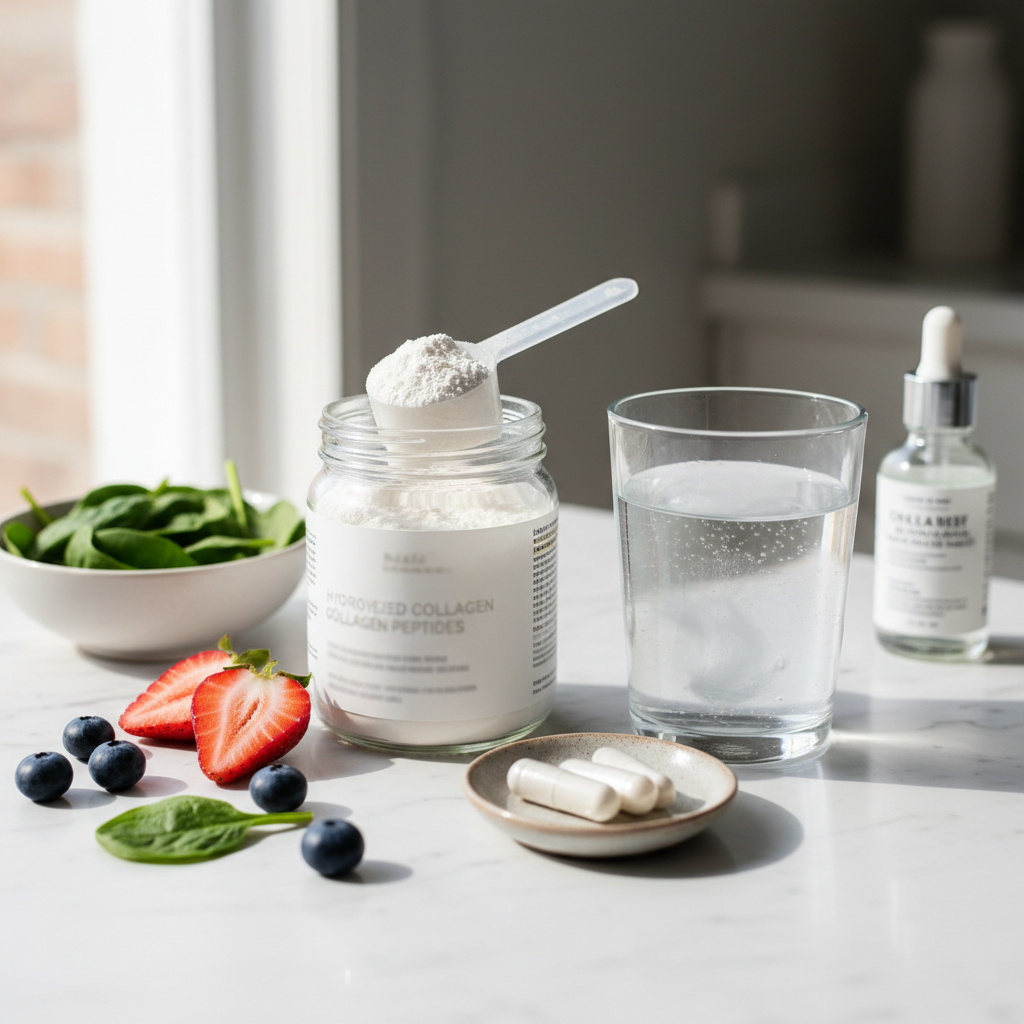
The key here is “hydrolyzed collagen” or “collagen peptides.” This means the collagen has been broken down into very small, easily digestible pieces. These smaller peptides are then absorbed into your bloodstream and distributed throughout the body. The theory is that these specific peptides act as signals to your fibroblasts (the cells responsible for producing collagen and elastin in your skin) to kickstart and increase their own natural collagen synthesis. Some studies suggest these peptides can also directly contribute to the extracellular matrix, improving skin hydration and elasticity from within.
It’s important to distinguish this from topical collagen, which simply sits on the skin’s surface and provides hydration but cannot penetrate deeply enough to stimulate new collagen production due to its large molecular size.
What’s the Scientific Consensus: Do Collagen Supplements Really Deliver on Their Promises?
For years, the scientific community was skeptical, but recent research has painted a more optimistic picture. A growing body of evidence, including meta-analyses of multiple human studies, suggests that daily oral supplementation with hydrolyzed collagen peptides can indeed lead to measurable improvements in skin health.
- Improved Skin Hydration: Many studies report increased skin moisture levels, likely due to collagen’s ability to help the skin retain water.
- Enhanced Skin Elasticity: Participants often show significant improvements in skin elasticity, making skin feel firmer and more supple.
- Reduced Wrinkle Depth: Some research indicates a reduction in the depth and visibility of fine lines and wrinkles, particularly around the eyes.
- Support for Skin Barrier Function: While not a primary effect, improved hydration and elasticity can indirectly support a healthier skin barrier, which is a major focus in 2026 skincare.
However, it’s crucial to approach these findings with a balanced perspective. Results can vary significantly from person to person based on age, genetics, lifestyle, and the specific collagen product used. While many dermatologists now acknowledge the potential benefits and often recommend collagen supplements as an adjunct to a comprehensive skincare routine, they are not universally viewed as a primary treatment for advanced aging. The FDA regulates dietary supplements differently from drugs; they are not approved for efficacy before market, though they are regulated for safety after. Always choose reputable brands with third-party testing.
Which Types of Collagen Supplements Are Best for Skin Health?
When it comes to choosing a collagen supplement, not all are created equal. Focus on these key aspects:
Hydrolyzed Collagen Peptides (Collagen Hydrolysate)
This is the gold standard. The hydrolysis process breaks down collagen into smaller, bioavailable peptides that the body can efficiently absorb and utilize. Look for products specifically labeled “hydrolyzed collagen” or “collagen peptides.”
- Bovine Collagen: Derived from cows, it’s rich in Type I and Type III collagen, making it excellent for skin, hair, nails, and bones. It’s often the most widely available and cost-effective option.
- Marine Collagen: Sourced from fish, it’s primarily Type I collagen and is known for its superior bioavailability and absorption due to smaller peptide sizes. It’s often preferred by those avoiding bovine products or seeking enhanced skin benefits.
Bioactive Collagen Peptides
Some brands offer specific “bioactive” collagen peptides, which are proprietary formulations designed with particular peptide sequences optimized for specific benefits, like skin elasticity or wrinkle reduction. These often come with their own clinical studies (though independent verification is always a good idea).
Forms of Supplements
- Powders: The most common and versatile, easily mixed into drinks, smoothies, or even food. This allows for flexible dosing.
- Capsules/Tablets: Convenient for on-the-go, but you might need to take several to reach an effective dose.
- Gummies/Liquids: Often more palatable, but check for added sugars and lower collagen content per serving.
Are There Any Other Ingredients I Should Look for in My Collagen Supplement?
While collagen peptides are the star, certain co-factors can enhance their effectiveness:
- Vitamin C: Absolutely essential. Vitamin C is a critical cofactor for collagen synthesis; without it, your body can’t properly form collagen. Many quality collagen supplements include Vitamin C.
- Hyaluronic Acid (HA): A powerful humectant, HA attracts and holds water, significantly boosting skin hydration. When combined with collagen, it can create a synergistic effect for plump, moisturized skin.
- Biotin: Known for its benefits for hair and nails, biotin also plays a role in overall cell growth and healthy skin.
- Zinc and Copper: These trace minerals are important for various enzymatic reactions involved in collagen formation and skin repair.
How Do Collagen Supplements Compare to Topical Skincare Actives for Anti-Aging?
Collagen supplements work from the inside out, while topical actives work from the outside in. They are not mutually exclusive; in fact, they can be highly complementary. Think of it as a multi-pronged approach to anti-aging.
| Anti-Aging Approach | Primary Mechanism | Key Benefits for Skin | Speed of Results | Key Considerations |
|---|---|---|---|---|
| Collagen Supplements | Ingested peptides stimulate internal collagen production and provide building blocks. | Improved hydration, elasticity, firmness; reduced fine lines; overall skin quality. | Weeks to months (consistent daily use). | Systemic benefits, requires consistency, source (bovine/marine), bioavailability. |
| Retinoids (Retinol, Retinal, Tretinoin) | Accelerate cell turnover, stimulate collagen production, reduce hyperpigmentation. | Reduces wrinkles, fine lines, improves texture, evens tone, treats acne. | Weeks to months (prescription faster). | Can cause irritation (retinization), sun sensitivity, prescription vs. OTC, retinal is a potent OTC option. |
| Topical Peptides | Signal skin cells to perform specific functions (e.g., stimulate collagen, relax muscles). | Improved firmness, elasticity, reduced wrinkles, targeted benefits depending on peptide. | Weeks to months (consistent use). | Specific peptide types (e.g., matrix-stimulating, neuropeptides), formulation, penetration. |
| Vitamin C (L-Ascorbic Acid) | Potent antioxidant, essential for collagen synthesis, brightens skin. | Protects from free radicals, boosts collagen, reduces hyperpigmentation, brightens. | Immediate radiance, long-term collagen and brightening. | Stability, concentration, pH, best used in the morning. |
Other Essential Actives for a Comprehensive Routine:
- Niacinamide (Vitamin B3): A powerhouse ingredient that strengthens the skin barrier, reduces redness, minimizes pores, regulates oil, and improves skin tone. Essential for all skin types, especially sensitive and oily.
- Hyaluronic Acid (HA): A humectant that draws moisture into the skin, providing immediate plumping and hydration. Works for all skin types.
- Salicylic Acid (BHA): A lipid-soluble exfoliant that penetrates oil to clear pores, making it ideal for oily, acne-prone, and congested skin.
- Alpha Hydroxy Acids (AHAs): Water-soluble exfoliants (like glycolic, lactic acid) that remove dead skin cells from the surface, improving texture, tone, and radiance. Great for dry, dull, or sun-damaged skin.
- Mineral SPF (Zinc Oxide, Titanium Dioxide): Non-negotiable. Provides broad-spectrum protection against UVA/UVB rays, preventing collagen breakdown and premature aging. The science on reapplication (every 2 hours) is clearer than ever.
- Ceramides: Lipids that are natural components of the skin barrier. Crucial for repairing and maintaining a healthy barrier, preventing moisture loss, and protecting against irritants. Perfect for dry, sensitive, or mature skin.
What Should I Consider When Choosing a Collagen Supplement?
Navigating the supplement aisle can be daunting. Here’s a checklist:
- Source: Bovine (Type I & III) or Marine (Type I). Marine is often pricier but may offer slightly better bioavailability.
- Formulation: Look for “hydrolyzed collagen” or “collagen peptides” for optimal absorption. Avoid “undenatured” or “raw” collagen for skin benefits.
- Third-Party Testing: Crucial for dietary supplements. Look for certifications from organizations like NSF International, USP, or ConsumerLab.com to ensure purity, potency, and absence of contaminants.
- Dosage: Most studies showing benefits use between 2.5g to 10g of collagen peptides per day. Check the serving size to ensure you’re getting an effective dose.
- Additional Ingredients: Does it include Vitamin C or Hyaluronic Acid? These are beneficial additions. Be wary of excessive fillers or proprietary blends without clear ingredient lists.
- Allergens/Dietary Restrictions: If you have fish allergies, avoid marine collagen. If you’re vegetarian or vegan, remember that collagen is an animal product (though vegan collagen boosters exist, they don’t contain actual collagen).
- Taste & Mixability: Especially for powders, consider if it’s unflavored and mixes easily into your preferred beverage.
How Can I Optimize My Skincare Routine Alongside Collagen Supplements for Maximum Results?
Collagen supplements are a tool, not the entire toolbox. For the best skin of your life in 2026, integrate them into a holistic approach:
- Protect, Protect, Protect: Daily mineral SPF (Zinc Oxide, Titanium Dioxide) is your #1 anti-aging step. It prevents the breakdown of existing collagen. Reapply diligently.
- Consistent Topical Actives: Use retinoids (retinal is increasingly popular for its efficacy and gentler profile than prescription tretinoin), Vitamin C, and peptides in your daily routine.
- Support Your Skin Barrier: Utilize ceramides, niacinamide, and gentle cleansers to keep your skin’s protective barrier strong and healthy. This is a huge focus in 2026 skincare.
- Hydrate Inside and Out: Drink plenty of water and use hyaluronic acid serums and rich moisturizers.
- Lifestyle Matters: A nutrient-rich diet (especially foods high in Vitamin C, zinc, and antioxidants), adequate sleep, stress management, and avoiding smoking are all fundamental to healthy skin.
- Consider Dermal-Grade At-Home Tools: In 2026, many women are incorporating tools like LED masks (red light therapy for collagen stimulation) or microcurrent devices into their routines for an extra boost.
Are There Any Side Effects or Contraindications?
Collagen supplements are generally well-tolerated and considered safe for most healthy adults. Potential side effects are usually mild and may include:
- Mild digestive upset (bloating, heartburn, feelings of fullness).
- Allergic reactions, especially if you have allergies to the source (e.g., fish allergy for marine collagen).
If you are pregnant, breastfeeding, or have a pre-existing medical condition, it’s always best to consult with your doctor before starting any new supplement regimen. Always adhere to the recommended dosage.
Frequently Asked Questions
How long does it take to see results from collagen supplements?
Patience is key. Most studies indicate that visible improvements in skin hydration and elasticity typically appear after 4 to 8 weeks of consistent daily use. Reductions in wrinkle depth may take 12 weeks or longer. Think of it as a marathon, not a sprint.
Can I get enough collagen from my diet alone?
While your body produces collagen, dietary sources of collagen (like bone broth or organ meats) contain collagen in its full, unhydrolyzed form, which is less efficiently absorbed than the peptides found in supplements. A balanced diet rich in protein, Vitamin C, and other cofactors is crucial, but supplements offer a concentrated, bioavailable boost.
Is marine collagen better than bovine collagen?
Both marine and bovine collagen are effective for skin health. Marine collagen is primarily Type I and often praised for its potentially higher bioavailability due to smaller peptide sizes, sometimes leading to slightly faster absorption. Bovine collagen contains both Type I and III, making it excellent for overall skin, hair, nail, and joint health. The “best” often comes down to personal preference, dietary restrictions, and budget.
Should I take collagen every day?
For optimal and sustained results, yes, consistent daily intake is recommended. The benefits of collagen supplementation are cumulative, meaning they build up over time with regular use. Missing a day here and there won’t erase progress, but daily consistency is what yields the best outcomes.
Are collagen supplements FDA-approved?
In the US, the FDA regulates dietary supplements, including collagen, as a category of food, not as drugs. This means they are not “approved” by the FDA before they hit the market for efficacy or safety, unlike prescription medications. However, the FDA does have regulations for manufacturing practices (GMPs) and can take action against unsafe or mislabeled products after they are on the market. Always look for third-party testing to ensure quality and purity.
Conclusion
In 2026, the evidence strongly suggests that collagen supplements, particularly hydrolyzed collagen peptides, are more than just a passing trend. They represent a scientifically supported approach to enhancing skin hydration, elasticity, and firmness from within. While they won’t replace your topical retinoids or daily SPF, they can certainly complement your existing skincare routine, offering a powerful internal boost to your skin’s health. When chosen wisely and used consistently, collagen supplements can be a valuable ally in your quest for healthier, more resilient, and youthful-looking skin.