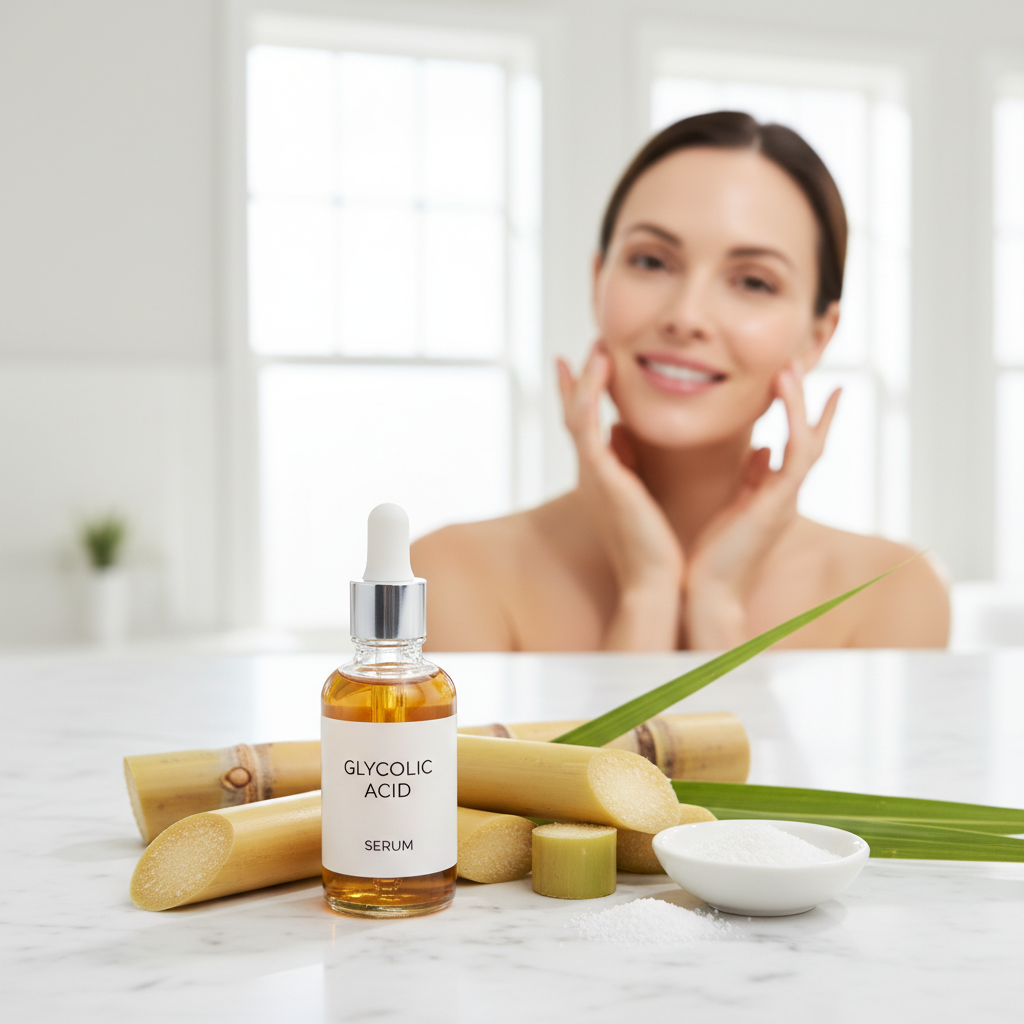
The glycolic acid peel is a chemical exfoliant derived from sugarcane, a type of Alpha Hydroxy Acid (AHA) renowned for its ability to penetrate skin effectively. It works by dissolving the bonds between dead skin cells, promoting a faster cell turnover rate, which in turn diminishes the appearance of fine lines, wrinkles, hyperpigmentation, and improves overall skin texture and radiance, making it a powerful tool in the fight against visible signs of aging.
Introduction
In the ever-evolving landscape of skincare, certain ingredients consistently rise to the top for their proven efficacy. Among these, glycolic acid has long been a dermatologist favorite, especially when it comes to addressing the complex concerns of aging skin. But what exactly is a glycolic acid peel, and how does this powerhouse ingredient deliver on its promise to turn back the clock?
What Exactly is a Glycolic Acid Peel, and How Does It Work?
At its core, a glycolic acid peel utilizes glycolic acid, a water-soluble Alpha Hydroxy Acid (AHA) derived from sugarcane. Unlike physical exfoliants that manually scrub away dead skin, glycolic acid works on a molecular level. It penetrates the uppermost layers of the skin, specifically targeting the desmosomes – the “glue” that holds dead skin cells together. By weakening these bonds, glycolic acid allows the dull, damaged surface cells to shed more easily, revealing the fresher, healthier skin beneath.
This process of accelerated cell turnover is crucial. As we age, our natural cell renewal cycle slows down significantly. In our youth, skin cells might turn over every 28 days; by our 40s or 50s, this can stretch to 40-60 days or even longer. Glycolic acid helps to normalize this process, essentially “resetting” the skin’s natural exfoliation rhythm. The result is not just a brighter complexion, but also a more receptive canvas for other beneficial skincare ingredients, as they can penetrate more effectively once the barrier of dead skin cells is removed.
How Does Glycolic Acid Specifically Target Signs of Aging?
Glycolic acid’s benefits extend far beyond simple exfoliation, making it a multifaceted weapon against various signs of aging:
Collagen Stimulation and Firmness
One of glycolic acid’s most significant anti-aging contributions is its ability to stimulate collagen production. Collagen is the primary structural protein in our skin, responsible for its firmness, elasticity, and youthful plumpness. As we age, collagen synthesis naturally declines, leading to sagging and wrinkle formation. Regular, appropriate use of glycolic acid signals the skin to produce more collagen, helping to improve skin density and reduce the appearance of fine lines and wrinkles over time. This makes it a valuable partner alongside other collagen-boosting actives like peptides.
Diminishing Hyperpigmentation and Uneven Skin Tone
Sun exposure, hormonal changes, and post-inflammatory responses can lead to hyperpigmentation – dark spots, sun spots, age spots, and melasma. Glycolic acid helps to fade these discolorations by shedding the pigmented surface cells. By promoting the turnover of these melanin-rich cells, it gradually lightens and evens out skin tone, revealing a more uniform and luminous complexion. This brightening effect is often noticeable after just a few uses.
Reducing Fine Lines and Wrinkles
The accelerated cell turnover and collagen stimulation work synergistically to reduce the appearance of fine lines and shallow wrinkles. As new, plump cells come to the surface and collagen scaffolding is reinforced, the skin’s surface becomes smoother and more resilient, minimizing the depth of surface lines. While it may not erase deep wrinkles, it significantly improves overall skin texture.
Improving Skin Texture and Radiance
Beyond specific concerns, glycolic acid dramatically improves the overall texture and radiance of the skin. By removing the rough, dull layer of dead cells, it refines pores, smooths rough patches, and creates a more even surface. This results in skin that feels softer, looks brighter, and reflects light more effectively, imparting that coveted youthful glow.
What Are the Different Types of Glycolic Acid Peels Available in 2026?
The accessibility of glycolic acid has expanded significantly, offering options for various needs and comfort levels:
At-Home Glycolic Acid Peels and Products
For daily or weekly use, at-home products like cleansers, toners, serums, and masks typically contain lower concentrations of glycolic acid (ranging from 5% to 20%). These are designed for gentle, gradual exfoliation and are excellent for maintaining skin health and addressing mild concerns. With the rise of “dermal-grade” at-home tools and more sophisticated formulations in 2026, consumers have access to increasingly effective, yet still safe, over-the-counter options. These products are generally considered safe for regular use when directions are followed, but always remember to patch test.
Professional Glycolic Acid Peels
Administered by a licensed dermatologist or aesthetician, professional peels use much higher concentrations of glycolic acid (often 20% to 70%). These treatments are more intensive and deliver more dramatic results for concerns like deeper wrinkles, significant hyperpigmentation, or severe texture issues. Due to their potency, professional peels require careful preparation, application, and post-care, and are typically performed in a series for optimal outcomes. They are an excellent option for those seeking a more accelerated and targeted approach under expert supervision.
Is a Glycolic Acid Peel Right for My Skin Type?
While glycolic acid is versatile, suitability depends on your specific skin type and condition:
- Oily/Acne-Prone Skin: Excellent. Glycolic acid helps to exfoliate inside pores, reducing blockages and improving texture often associated with oiliness and breakouts.
- Combination Skin: Very beneficial. It can help balance oily zones while improving texture in drier areas, provided concentrations are managed carefully.
- Normal Skin: Ideal for maintaining radiance, preventing signs of aging, and improving overall skin health.
- Mature Skin: Highly recommended. Its collagen-stimulating and pigment-reducing properties make it a powerful ally against aging concerns.
- Dry/Sensitive Skin: Use with caution. While some dry skin types can tolerate low concentrations, sensitive skin, especially prone to conditions like rosacea or eczema, may find it irritating. Always start with the lowest concentration, patch test, and prioritize skin barrier health. Look for formulations that include hydrating and soothing ingredients like hyaluronic acid or ceramides.
In 2026, the emphasis on skin barrier health is paramount. Even if you don’t have overtly sensitive skin, over-exfoliation can compromise your barrier, leading to irritation. Listen to your skin and adjust usage accordingly.
How Does Glycolic Acid Compare to Other Popular Anti-Aging Actives?
Glycolic acid is potent, but it’s part of a larger ecosystem of anti-aging ingredients. Understanding how it compares to others helps in building a comprehensive routine:
Other actives you might encounter include Retinol (a Vitamin A derivative, known for accelerating cell turnover and boosting collagen, available as over-the-counter retinol or prescription-strength retinoids like tretinoin, with 2026 seeing a rise in more potent retinal formulations for OTC use); Niacinamide (Vitamin B3, excellent for barrier support, reducing inflammation, and minimizing pores); Hyaluronic Acid (a humectant that draws moisture into the skin, providing intense hydration and plumping); Vitamin C (a powerful antioxidant that brightens skin, stimulates collagen, and protects against free radical damage); Salicylic Acid (a BHA, oil-soluble, best for decongesting pores and treating acne); Peptides (short chains of amino acids that signal skin to produce more collagen or other beneficial proteins); and of course, Mineral SPF (zinc oxide and titanium dioxide, essential daily protection against UV damage, the number one cause of premature aging, with new science emphasizing consistent reapplication).
| Active Ingredient | Primary Anti-Aging Mechanism | Best For (Skin Type/Concern) | Compatibility Notes |
|---|---|---|---|
| Glycolic Acid (AHA) | Exfoliates surface, boosts cell turnover, stimulates collagen, fades hyperpigmentation. | Dullness, uneven texture, fine lines, sun spots, generally all non-sensitive skin types. | Use with caution with other strong exfoliants. Always pair with SPF. |
| Retinol/Retinal (Vitamin A) | Accelerates cell turnover, boosts collagen and elastin production, reduces wrinkles. | Wrinkles, fine lines, uneven tone, acne, loss of firmness. | Introduce slowly. Can be irritating with glycolic acid; alternate nights or use lower strengths. Always use SPF. |
| Vitamin C (L-Ascorbic Acid) | Potent antioxidant, brightens, stimulates collagen, protects against environmental damage. | Dullness, uneven tone, fine lines, environmental protection. | Generally safe to use with glycolic acid (often in AM, glycolic in PM). Enhance sun protection. |
| Salicylic Acid (BHA) | Exfoliates inside pores, reduces oil, anti-inflammatory. | Acne, blackheads, oily skin, enlarged pores. | Can be used with glycolic acid but caution against over-exfoliation. Often used for targeted concerns. |
What Should I Expect During and After a Glycolic Acid Peel?
Understanding the experience helps manage expectations and ensures proper care:
During Application
Whether at-home or professional, you might experience a mild tingling, warmth, or slight stinging sensation upon application. This is generally normal and indicates the acid is working. The intensity depends on the concentration and your skin’s sensitivity. It should subside within a few minutes.
Immediately After (At-Home)
For at-home peels, you might notice some temporary redness or a feeling of tightness. It’s crucial to follow up with hydrating and soothing products, like a serum with hyaluronic acid or a moisturizer rich in ceramides, to support your skin barrier. Avoid other active ingredients immediately after.
Post-Peel Care (Professional)
After a professional peel, your skin will likely be red and feel sensitive, similar to a sunburn. Depending on the peel’s depth, you may experience visible flaking or peeling for several days to a week. Your dermatologist or aesthetician will provide specific instructions, which typically include:
- Strict Sun Protection: This is non-negotiable. Your new skin is extremely vulnerable to UV damage. Use a broad-spectrum mineral SPF 30 or higher daily, and reapply every two hours, especially if outdoors.
- Gentle Cleansing: Use a mild, non-foaming cleanser.
- Intense Hydration: Apply a rich, barrier-supporting moisturizer to aid healing and minimize dryness. Look for ingredients like ceramides, hyaluronic acid, and niacinamide.
- Avoid Picking: Resist the urge to pick at any peeling skin, as this can lead to scarring or hyperpigmentation.
- Skip Actives: Avoid retinoids, Vitamin C, and other exfoliating acids for several days to a week, or as advised by your professional.
Are There Any Risks or Important Considerations for US Consumers?
While highly effective, glycolic acid isn’t without its considerations:
- Increased Sun Sensitivity: Glycolic acid removes the outer layer of dead skin, making your skin significantly more vulnerable to UV radiation. Consistent, diligent use of broad-spectrum SPF is non-negotiable, even on cloudy days or indoors near windows. This is a critical point emphasized by dermatologists across the US.
- Irritation and Over-Exfoliation: Using too high a concentration, applying too frequently, or combining with too many other strong actives can lead to redness, burning, dryness, and a compromised skin barrier. Listen to your skin!
- Patch Testing is Key: Always perform a patch test on a small, inconspicuous area (like behind the ear or on the inner arm) before applying a new glycolic acid product to your entire face, especially for those with sensitive skin.
- Not for Everyone: Individuals with active skin conditions like rosacea, eczema, cold sores, or open wounds should avoid glycolic acid peels unless specifically advised by a dermatologist. Pregnant or breastfeeding individuals should also consult their doctor before use.
- FDA-Approved Actives: Glycolic acid is a well-established ingredient. When choosing products, look for reputable brands, whether drugstore or prestige, that formulate with stable and effective concentrations. Dermatologist consensus generally supports its use when appropriate.
- “Purging” vs. Breakouts: Sometimes, initial use of an exfoliant can cause a temporary increase in breakouts as deeper congestion comes to the surface (purging). This usually resolves within a few weeks. Persistent breakouts or irritation might indicate the product isn’t suitable or you’re over-exfoliating.
How Can I Incorporate Glycolic Acid Safely into My Skincare Routine?
- Start Low, Go Slow: Begin with a lower concentration (e.g., 5-10%) and use it only 2-3 times a week, gradually increasing frequency as your skin tolerates it.
- Evening Application: Glycolic acid is best used in the evening due to increased sun sensitivity and to allow it to work overnight without immediate sun exposure.
- Prioritize SPF Daily: A broad-spectrum sunscreen with at least SPF 30 is non-negotiable every single morning, rain or shine. Reapply every two hours when exposed to direct sun.
- Hydrate and Support Your Barrier: Pair glycolic acid with soothing and hydrating ingredients like hyaluronic acid, ceramides, and niacinamide to counteract potential dryness and support your skin’s protective barrier.
- Alternate, Don’t Combine (Initially): If you’re using other strong actives like retinol, consider alternating them on different nights rather than layering them simultaneously, especially when starting out.
- Listen to Your Skin: If you experience persistent redness, burning, excessive dryness, or irritation, reduce frequency or stop use. Your skin will tell you what it needs.
- Consult a Professional: For higher concentrations or if you have specific skin concerns, consult a board-certified dermatologist for personalized advice and professional treatment options.
Frequently Asked Questions
Can I use glycolic acid with retinol?
Yes, but with caution. Both are powerful exfoliants and collagen stimulators. For most, it’s best to alternate them on different evenings (e.g., glycolic acid on Monday, retinol on Tuesday) to avoid over-exfoliation and irritation. If your skin is robust, you might use a very gentle glycolic product in the morning and retinol at night, but always monitor your skin’s reaction and prioritize barrier health.
How often should I use a glycolic acid peel?
For at-home products, starting 2-3 times a week is generally recommended, gradually increasing to every other night or even nightly if your skin tolerates it well. Professional peels are typically performed every 3-4 weeks in a series, as advised by your dermatologist, allowing adequate time for skin recovery.
What concentration is safe for at-home use?
At-home products usually range from 5% to 20% glycolic acid. Concentrations up to 10% are generally considered safe for daily use for most skin types, while 15-20% might be used 2-3 times a week. Always follow the product’s specific instructions and consider your skin’s sensitivity.
Will it make my skin peel visibly?
At-home glycolic acid products typically cause microscopic exfoliation, meaning you might not see visible peeling, but your skin will feel smoother. Higher concentration professional peels, however, often result in visible flaking or peeling for several days to a week after treatment.
Is it safe for darker skin tones?
Yes, glycolic acid can be safe and very effective for darker skin tones, particularly for addressing hyperpigmentation. However, it’s crucial to start with lower concentrations and proceed cautiously, as over-exfoliation can sometimes lead to post-inflammatory hyperpigmentation in darker skin tones. Always consult with a dermatologist experienced with treating diverse skin types.
Conclusion
The glycolic acid peel remains a gold standard in anti-aging skincare for its remarkable ability to rejuvenate the skin by boosting cell turnover, stimulating collagen, and fading imperfections. By understanding its mechanisms and incorporating it thoughtfully and safely into your routine, US women can harness its power to achieve a more radiant, smoother, and visibly younger-looking complexion in 2026 and beyond.