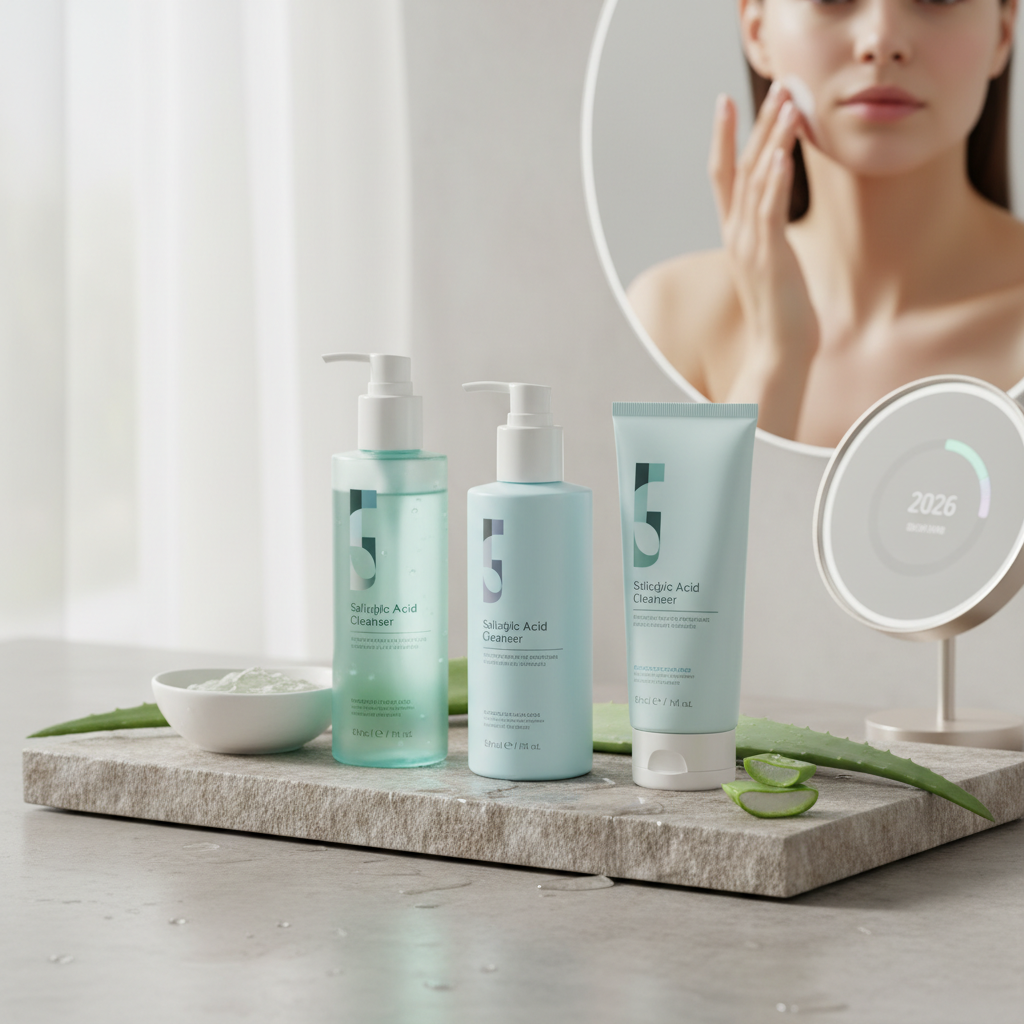
Navigating morning skincare with sensitive skin requires a deliberate, gentle approach focused on soothing, strengthening the skin barrier, and robust environmental protection. The key is to select fragrance-free, non-irritating formulas rich in calming and hydrating ingredients, always culminating in a broad-spectrum mineral sunscreen to safeguard your skin daily.
Introduction
For millions of women across the United States, sensitive skin isn’t just a descriptor; it’s a daily reality that dictates every skincare choice. The morning routine, in particular, becomes a critical line of defense, setting the tone for how your skin will face environmental stressors throughout the day. In 2026, with an ever-growing understanding of skin barrier health and ingredient science, we’re better equipped than ever to craft a morning regimen that truly soothes, protects, and strengthens even the most reactive complexions.
What defines sensitive skin, and why is a dedicated morning routine crucial?
Sensitive skin is characterized by a heightened reactivity to various stimuli that wouldn’t typically bother other skin types. This can manifest as redness, itching, stinging, burning, dryness, or a tight sensation. It often stems from a compromised skin barrier, which is the outermost layer of your skin responsible for keeping irritants out and moisture in. When this barrier is weakened, your skin becomes more vulnerable.
A dedicated morning routine for sensitive skin isn’t just about applying products; it’s about strategic layering to build resilience and provide robust protection. During the day, your skin is exposed to UV radiation, pollution, temperature changes, and even the blue light from screens. A thoughtful morning regimen helps fortify your skin against these aggressors, preventing potential flare-ups and long-term damage.
Which cleansers are truly gentle enough for sensitive skin?
The first step in any morning routine, cleansing, can make or break the rest of your day for sensitive skin. The goal is to remove any overnight buildup without stripping natural oils or disrupting the skin barrier. Look for formulas that are:
- Sulfate-free: Sulfates can be harsh detergents that strip the skin.
- Fragrance-free: Both synthetic and natural fragrances are common irritants.
- pH-balanced: Cleansers with a pH close to your skin’s natural pH (around 5.5) help maintain barrier integrity.
- Non-foaming or low-foaming: Excessive foam often indicates harsh surfactants.
Consider a creamy cleanser, a gentle hydrating gel, or even micellar water for a quick, no-rinse option. Avoid harsh physical exfoliants or chemical exfoliants in your morning cleanser, as these are generally better reserved for evening use, and often too aggressive for sensitive skin to start the day.
Should sensitive skin use a toner in the morning?
For sensitive skin, the traditional astringent toner is a definite no-go. However, modern toners can be incredibly beneficial. Think of them as a preparatory step that adds a layer of hydration and helps balance the skin’s pH after cleansing, making it more receptive to subsequent treatments. Look for:
- Hydrating Toners: Rich in humectants like hyaluronic acid or glycerin.
- Soothing Toners: Containing ingredients like colloidal oatmeal, centella asiatica (cica), or allantoin.
- Barrier-Supportive Toners: Featuring ceramides or niacinamide.
These types of toners can help calm the skin, reduce redness, and infuse vital moisture, acting as a gentle buffer before your more active serums.
What are the best ingredients to soothe and protect sensitive skin?
When selecting products for sensitive skin, the ingredient list is your most powerful tool. Here are key actives to prioritize for morning use:
- Niacinamide (Vitamin B3): A powerhouse ingredient that helps strengthen the skin barrier, reduce inflammation, calm redness, and minimize pore appearance. It’s well-tolerated by most sensitive skin types.
- Hyaluronic Acid: A humectant that attracts and holds up to 1,000 times its weight in water, providing intense hydration without feeling heavy or greasy. Essential for plumping and soothing dry, sensitive skin.
- Ceramides: These are lipids naturally found in your skin barrier. Replenishing ceramides helps to repair and maintain the barrier, preventing moisture loss and protecting against irritants.
- Centella Asiatica (Cica): A botanical extract known for its calming, anti-inflammatory, and healing properties. Excellent for reducing redness and promoting skin repair.
- Peptides: Short chains of amino acids that act as building blocks for proteins like collagen and elastin. Certain peptides can signal the skin to calm inflammation, repair damage, and improve resilience without irritation.
- Vitamin C (Stable Derivatives): While L-Ascorbic Acid can sometimes be irritating for highly sensitive skin, stable derivatives like Magnesium Ascorbyl Phosphate or Tetrahexyldecyl Ascorbate offer antioxidant benefits (protecting against environmental damage) and brightening effects with less risk of irritation. Always patch test.
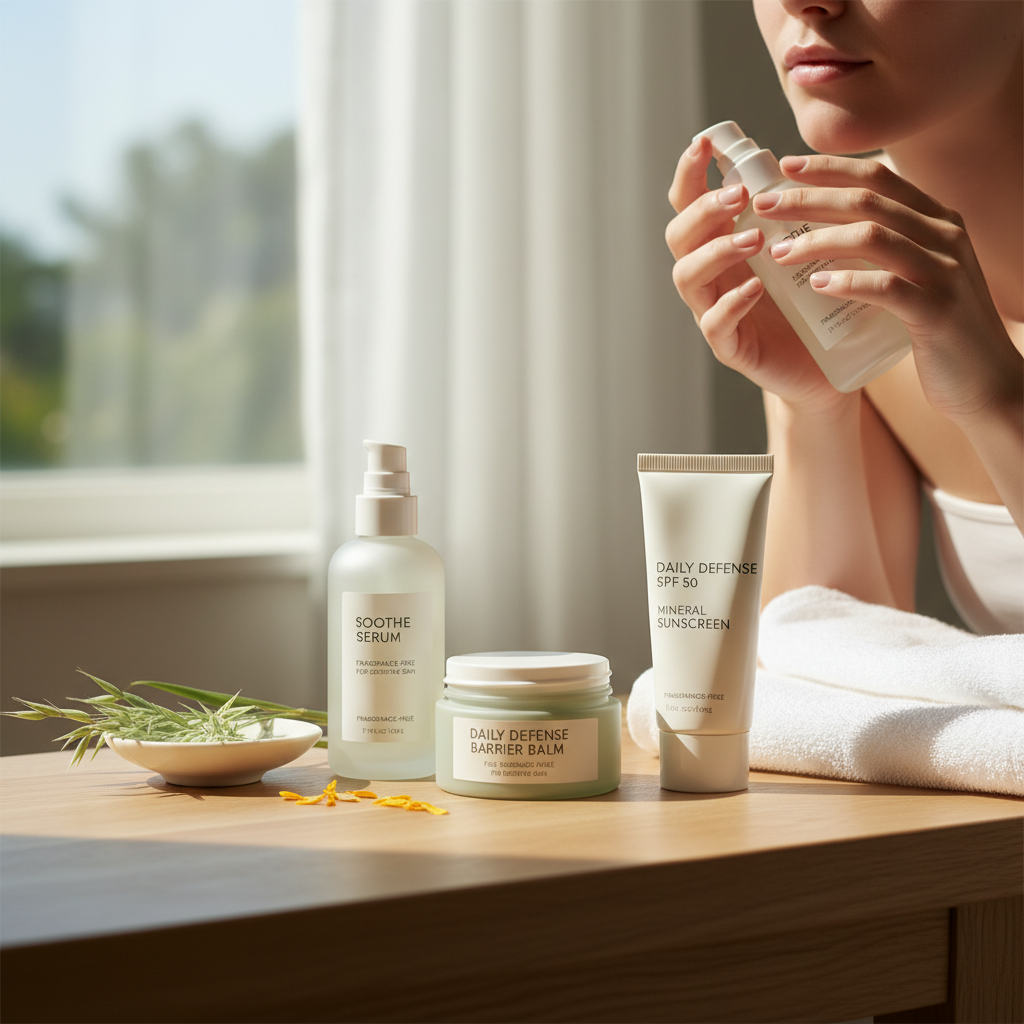
- Mineral SPF (Zinc Oxide & Titanium Dioxide): These are physical blockers that sit on top of the skin and reflect UV rays. They are generally considered the safest and least irritating sunscreen filters for sensitive skin, offering broad-spectrum protection.
How do I choose a serum for sensitive skin without causing irritation?
Serums are concentrated treatments designed to deliver specific active ingredients deep into the skin. For sensitive skin, the key is to choose serums with a minimalist approach, focusing on soothing, hydrating, and barrier-supporting ingredients. Avoid serums with high concentrations of potent actives like AHAs, BHAs, or strong retinoids in the morning, especially if you’re new to them or prone to irritation. Instead, look for well-formulated serums that combine gentle actives. Patch testing any new serum on a small, inconspicuous area (like behind the ear or on the inner arm) for a few days is highly recommended.
| Serum Type | Key Ingredients | Primary Benefit for Sensitive Skin | When to Use |
|---|---|---|---|
| Hydrating & Soothing Serum | Hyaluronic Acid, Panthenol, Centella Asiatica | Deep hydration, reduces redness, calms irritation. | Daily morning use. |
| Barrier Repair Serum | Niacinamide (5-10%), Ceramides, Peptides | Strengthens skin barrier, reduces sensitivity, improves resilience. | Daily morning use. |
| Gentle Antioxidant Serum | Vitamin C (stable derivative), Ferulic Acid, Vitamin E | Protects against environmental damage, brightens skin tone. | Daily morning use, if tolerated. |
| Targeted Redness Relief Serum | Azelaic Acid (low %), Licorice Root Extract, Allantoin | Visibly reduces persistent redness and blotchiness. | Daily morning use, consult dermatologist for persistent issues. |
Are there any anti-aging ingredients sensitive skin can use in the morning?
While potent anti-aging ingredients like retinol and retinal are often recommended for evening use due to their photosensitivity and potential for irritation, sensitive skin can still incorporate gentle anti-aging support into its morning routine. The focus shifts to protection and support rather than aggressive cell turnover.
- Peptides: As mentioned, certain peptides can stimulate collagen production and improve skin firmness, offering anti-aging benefits without the irritation associated with retinoids. They also help calm skin, making them ideal for sensitive types.
- Antioxidants: Beyond Vitamin C, ingredients like Ferulic Acid, Vitamin E, and various botanical extracts (e.g., green tea, resveratrol) help neutralize free radicals generated by UV exposure and pollution. This proactive protection helps prevent premature aging signs.
- Growth Factors: These signaling proteins can promote cell growth and repair, improving skin texture and elasticity. While still a prestige ingredient, they are gaining traction for their gentleness and efficacy in anti-aging.
The 2026 trend towards dermal-grade at-home tools also offers options like LED light therapy (red light) that can support collagen production and reduce inflammation, which can be incorporated into a morning routine after cleansing and before serums, provided they are used gently and according to manufacturer instructions.
What’s the best moisturizer for a compromised skin barrier?
A good moisturizer is paramount for sensitive skin, especially one with a compromised barrier. It acts as a protective shield, locking in hydration and bolstering the skin’s natural defenses. Look for formulas that are:
- Rich in Ceramides, Fatty Acids, and Cholesterol: These are the three main lipids that make up your skin barrier. A moisturizer containing these in a balanced ratio (often 3:1:1) can effectively repair and strengthen the barrier.
- Occlusive ingredients: Ingredients like petrolatum, dimethicone, or squalane create a protective layer on the skin to prevent transepidermal water loss.
- Humectants: Glycerin and hyaluronic acid draw moisture into the skin.
- Non-comedogenic: Especially important for sensitive skin that might also be prone to breakouts.
- Fragrance-free and dye-free: To minimize irritation.
Whether you opt for a drugstore staple from brands like CeraVe or La Roche-Posay (often lauded by dermatologists for their barrier-repairing formulations) or a prestige option, the ingredient list and formulation are more important than the price tag. Many FDA-approved active ingredients like ceramides and hyaluronic acid are widely available across price points, ensuring effective options for every budget.
Why is mineral SPF non-negotiable for sensitive skin in 2026?
Sunscreen is the single most important step in any skincare routine, but it’s absolutely non-negotiable for sensitive skin. In 2026, the consensus among dermatologists and skincare experts firmly points to mineral sunscreens (also known as physical sunscreens) as the preferred choice for reactive complexions.
Mineral sunscreens use zinc oxide and/or titanium dioxide, which are inert minerals that sit on the skin’s surface and physically block UV rays by reflecting them. Unlike chemical sunscreens, which absorb UV radiation and convert it into heat, mineral filters are much less likely to cause irritation, allergic reactions, or exacerbate redness. They are also considered broadly safe and effective by the FDA.
Beyond daily application, the science around sunscreen reapplication has become even more refined. Even with a high SPF, protection degrades over time due to sweat, water, and simple wear. For sensitive skin, consistent reapplication (every two hours when outdoors, or more frequently if sweating/swimming) is crucial to maintain protection and prevent irritation or flare-ups from sun exposure. Newer formulations, including tinted mineral sunscreens and SPF powders, make reapplication more convenient throughout the day.
Tips for Daily Mineral SPF Application:
- Apply generously: Use about a nickel-sized amount for your face and neck.
- Don’t forget exposed areas: Ears, décolletage, and hands need protection too.
- Allow to set: Give your SPF a few minutes to absorb before applying makeup.
- Reapply: Every two hours when exposed to direct sunlight, or after sweating or swimming. Consider a compact mineral powder SPF for easy touch-ups.
- Look for “Broad Spectrum”: Ensures protection against both UVA (aging) and UVB (burning) rays.
Morning Routine Step-by-Step for Sensitive Skin
Here’s a streamlined morning routine designed to soothe, protect, and strengthen sensitive skin:
- Gentle Cleanse: Use a pH-balanced, fragrance-free cream or gel cleanser. Rinse with lukewarm water and pat dry with a soft towel.
- Hydrating Toner (Optional): If using, gently press or pat a hydrating or soothing toner onto your face.
- Targeted Serum(s): Apply 2-3 drops of a soothing, hydrating, or barrier-repairing serum. Allow it to fully absorb.
- Moisturizer: Apply a generous layer of a ceramide-rich, fragrance-free moisturizer to lock in hydration and support the skin barrier.
- Mineral Sunscreen: Finish with a broad-spectrum mineral SPF 30 or higher. This is your most critical protective step.
- Lip Balm with SPF: Don’t forget to protect your lips from the sun.
Frequently Asked Questions
Can I use a facial tool in the morning if I have sensitive skin?
Gentle facial tools like a cool jade roller or gua sha can be used in the morning to reduce puffiness and promote lymphatic drainage, provided you use very light pressure and a soothing facial oil or serum for glide. Avoid vibrating cleansing brushes, micro-needling devices, or any tool that causes friction or redness, as these can easily irritate sensitive skin.
How do I know if a product is truly “sensitive skin friendly”?
Look for terms like “fragrance-free,” “hypoallergenic,” “dermatologist-tested,” and “non-comedogenic.” Check ingredient lists for common irritants like denatured alcohol, essential oils, and strong synthetic fragrances. Always patch test new products on a small area of your skin for a few days before applying them to your entire face.
Should I use a separate eye cream for sensitive skin in the morning?
While not strictly essential if your facial moisturizer is gentle enough, a dedicated eye cream can be beneficial. The skin around the eyes is thinner and more delicate, making it prone to irritation. Look for fragrance-free eye creams with ingredients like hyaluronic acid, ceramides, and peptides designed specifically for sensitive eye areas.
What about essential oils for sensitive skin?
Generally, it’s best to avoid essential oils if you have sensitive skin. While some have touted benefits, many essential oils contain compounds that can be irritating, allergenic, or photosensitizing for reactive skin types. Always err on the side of caution and choose fragrance-free products.
Is double cleansing necessary in the morning for sensitive skin?
No, double cleansing is typically reserved for the evening to remove makeup, sunscreen, and daily grime. In the morning, a single, gentle cleanse is usually sufficient to refresh the skin without stripping it. Over-cleansing can lead to dryness and irritation for sensitive skin.
Conclusion
Crafting a morning skincare routine for sensitive skin in 2026 is an exercise in thoughtful simplicity and strategic protection. By focusing on gentle cleansing, barrier-supporting ingredients like niacinamide and ceramides, soothing botanicals, and the indispensable shield of mineral SPF, you can empower your skin to feel calm, comfortable, and resilient every single day. Remember, consistency and careful ingredient selection are your best allies in nurturing a happy, healthy complexion.